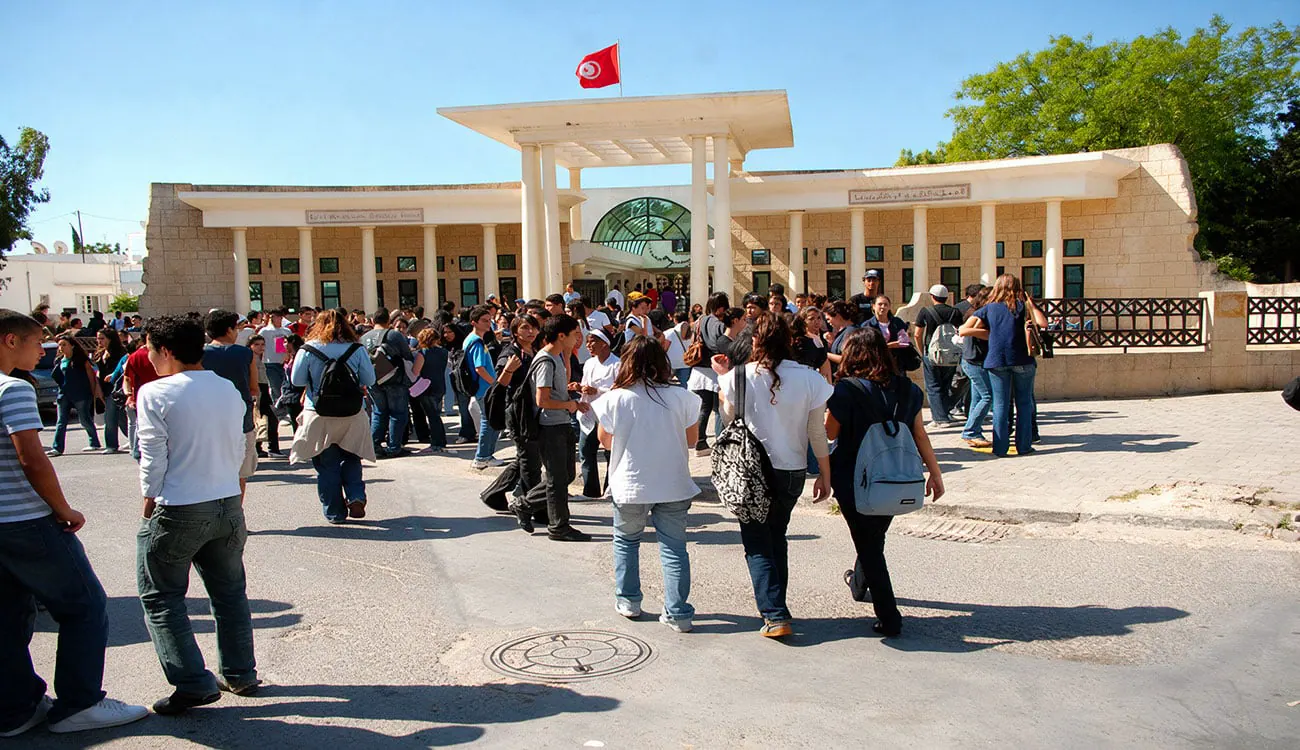
The Tunisian Ministry of Education has announced a new measure to tackle the issue of "downtime" in schools, where students often roam the streets and are exposed to risks. As of October 1, students will be required to stay within school premises during these periods, engaging in cultural, artistic, and sports activities. This move has been welcomed by parents, who have long expressed concerns about their children's safety during downtime.
According to Zakaria Dassi, Director General of the International Center for Training of Trainers and Pedagogical Innovation, the ministry has always been concerned about managing downtime. The ministry has typically sent notes to school administrations, recommending they minimize these periods when scheduling classes. However, completely eliminating downtime has proven challenging due to unforeseen circumstances, such as teacher absences.
To address this issue, the ministry has adopted an inter-ministerial approach as part of a national program to combat risky behaviors in schools. This program involves multiple ministries and aims to transform downtime into productive and enjoyable activities within school premises. During these periods, students will participate in activities such as theater performances, film screenings, and creative workshops, led by animators from youth centers.
If a student chooses not to participate in these activities and insists on leaving school premises during downtime, the administration will notify the parents and take necessary administrative measures. This new approach not only prioritizes student safety but also aims to prevent social issues, such as drug addiction, by channeling young energy into constructive activities that promote well-being and personal growth.
The ministry has opted for an immediate solution, rather than waiting for long-term infrastructure projects, to ensure student safety throughout their educational journey. All educational institutions, from primary to secondary levels, will need to collaborate with partner structures to mobilize necessary human and logistical resources to implement these new activities.
This new measure marks a significant shift in school life management, prioritizing student safety, well-being, and prevention against risky behaviors. By engaging students in cultural and sports activities during downtime, the ministry hopes to create a safer and more supportive learning environment.
The implementation of this program is set to begin on October 1, with the ministry working closely with schools and partner organizations to ensure its success. The goal is to provide a more structured and engaging experience for students during downtime, ultimately contributing to their overall development and academic success.
Key points
- Students in Tunisia will be required to stay within school premises during downtime, engaging in cultural and sports activities, starting October 1.
- The new measure aims to prevent social issues, such as drug addiction, by channeling young energy into constructive activities that promote well-being and personal growth.
- The ministry has adopted an inter-ministerial approach as part of a national program to combat risky behaviors in schools.