Ghana's pre-tertiary teacher unions, including the Ghana National Association of Teachers (GNAT), the National Association of Graduate Teachers (NAGRAT), and the Pre-Tertiary Teachers Association of Ghana (PRETAG), have refused to suspend their nationwide strike. The unions are demanding concrete steps to address their outstanding issues, including payment of arrears and implementation of the Deprived Area Allowance. The strike, which began earlier this month, has left thousands of students out of school.
The teacher unions met with Education Minister Haruna Iddrisu and other government officials on Monday, September 28, but the meeting did not produce any fresh commitments that would justify calling off the industrial action. According to GNAT, the meeting was just a repetition of previous promises, with no tangible solutions offered. The union said it wants action, not promises, and will only return to the classroom when it sees concrete steps being taken to address their demands.
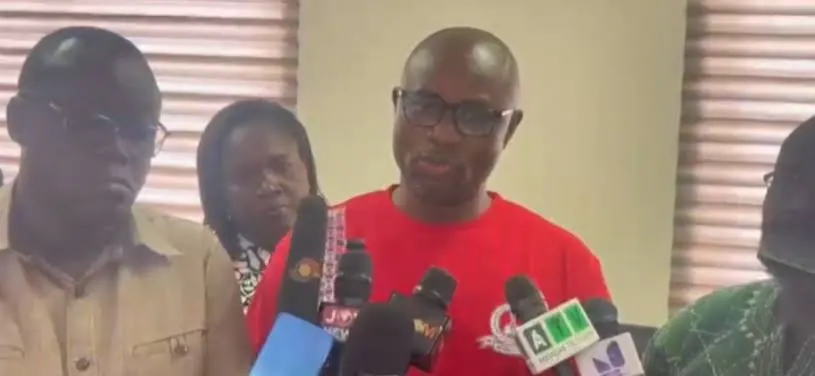
GNAT Head of Salaries, Isaac Baah, said the unions are no longer prepared to rely on verbal assurances from government officials. He demanded documentary evidence to support the government's indication that the Deprived Area Allowance would begin in January 2027. Baah said the unions want to see a clear written timeline showing when the various outstanding issues would be resolved and evidence that the implementation process has commenced.
The teacher unions are also concerned about the delay in negotiations for a new Collective Agreement, which has expired without a replacement being concluded. According to Baah, the delay has affected allowances that teachers were due to receive in September. The unions are urging the government to expedite the negotiations and provide a timeline for completing the talks.
Baah said government representatives indicated that a timeline for completing the negotiations would be presented at a further meeting scheduled for Tuesday. He said the unions are willing to consider a written commitment from the government, which could provide a basis for reconsidering their position and consulting their members.
The strike has caused significant disruption to the education sector, with thousands of students affected. The teacher unions are insisting that they will not back down until their demands are met. The government is under pressure to find a solution to the impasse, which has now entered its third week.
The outcome of the meeting on Tuesday will be crucial in determining the next course of action for the teacher unions. If a written commitment is forthcoming, the unions may be willing to reconsider their position and return to the classroom. However, if no agreement is reached, the strike is likely to continue, causing further disruption to the education sector.
Key points
- The teacher unions are demanding concrete steps to address their outstanding issues, including payment of arrears and implementation of the Deprived Area Allowance.
- The unions want a clear written timeline showing when the various outstanding issues would be resolved and evidence that the implementation process has commenced.
- The strike has caused significant disruption to the education sector, with thousands of students affected.