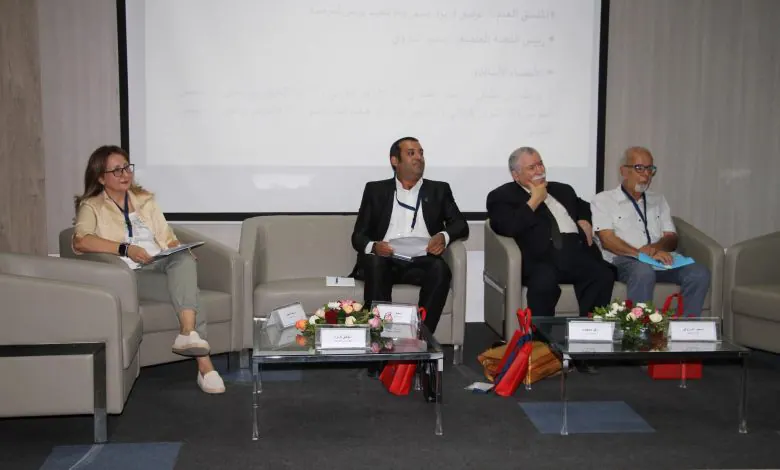
Under the auspices of the Ministry of Cultural Affairs, the International Conference on "The Aesthetics and Ethics of Translation in the Context of Intercultural Dialogue" kicked off on September 30, 2026, in Tunisia. The two-day event, organized by the Tunisian Institute of Translation, brings together academics, researchers, and translation specialists from Tunisia and other countries. The conference aims to open up spaces for discussion on translation as a cultural and intellectual practice that goes beyond transferring texts to building bridges for communication and interaction between languages and cultures.
The conference was inaugurated with an opening speech by Tofigh Qarireh, Director-General of the Tunisian Institute of Translation. Qarireh welcomed participants and guests, stressing the importance of this scientific meeting in promoting dialogue on translation. He emphasized that translation is a vital practice that enables the exchange of knowledge and ideas between cultures. The conference's theme for this year is "Linguistic Diversity and Linguistic Rights: The Power of Being Understood by Others," highlighting the value of linguistic diversity and the right of peoples and communities to express their cultural and linguistic specificities.
The conference's opening session featured speeches in three languages: Arabic, French, and English. Tofigh Qarireh delivered his speech in Arabic, followed by Safaa Shabiel in French and Maimoun Meliti in English. This multilingual approach reflects the conference's focus on linguistic diversity. Samir Merzouki then spoke on behalf of the conference's scientific committee, and Mohamed Mahjoub delivered the first keynote lecture. Mahjoub's lecture provided a thought-provoking introduction to the conference's themes, exploring the relationship between translation, aesthetics, ethics, and intercultural dialogue.
The conference brings together experts and academics from various fields to discuss the role of translation in promoting intercultural understanding and exchange. Participants will engage in debates and discussions on the challenges and opportunities of translation in today's globalized world. The event also features a special tribute to Mohamed Mahjoub, recognizing his contributions to the field of translation and his role as the founder and first director of the Tunisian Institute of Translation.
The Ministry of Cultural Affairs has expressed its support for the conference, highlighting its importance in promoting cultural exchange and understanding between Tunisia and other countries. The event is seen as a valuable opportunity for Tunisian academics and experts to engage with international peers and share knowledge and experiences. The conference's focus on translation and intercultural dialogue reflects the growing recognition of the importance of language and culture in shaping our understanding of the world.
On the sidelines of the conference, participants will have the opportunity to engage with each other and with Tunisian academics and experts in the field of translation. The event features a range of sessions and debates, covering topics such as translation theory, practice, and pedagogy. The conference also provides a platform for participants to share their research and projects, promoting collaboration and networking.
The conference will conclude on October 1, 2026, with a final session summarizing the key takeaways and recommendations. The event is expected to contribute to a deeper understanding of the role of translation in promoting intercultural dialogue and exchange. The Tunisian Institute of Translation aims to build on the momentum generated by the conference, promoting further collaboration and exchange between Tunisian and international academics and experts in the field of translation.
Key points
- The conference highlights the importance of linguistic diversity and the right of peoples and communities to express their cultural and linguistic specificities.