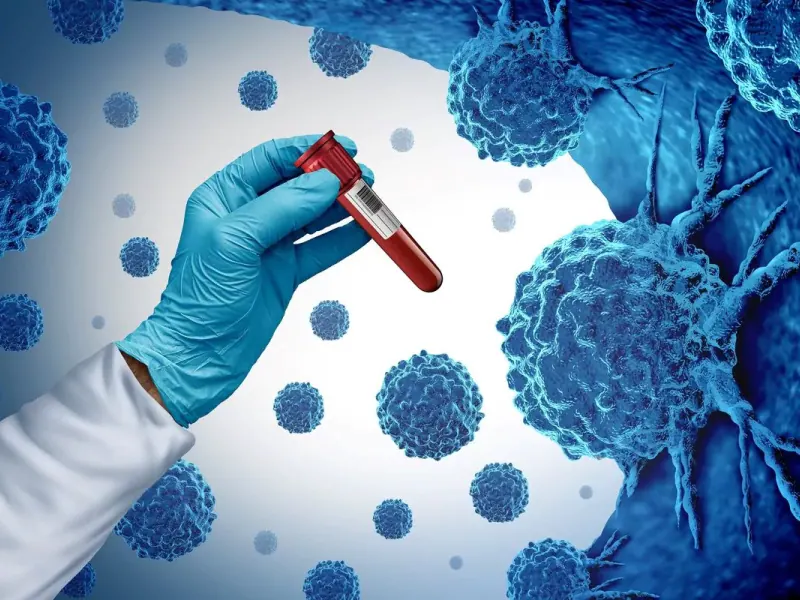
The eighth national conference of the Tunisian Association for Oncology kicked off on Friday, under the slogan "Together, we renew for better treatment." The event, which will run until Sunday, brings together specialists in oncology, surgical oncologists, and radiation therapists. The conference aims to promote continuous training for oncology specialists and related fields. According to Nabil Tomi, Secretary-General of the Tunisian Association for Oncology, the conference focuses on the latest studies and treatments for various types of cancer.
The conference features presentations on the latest research on bladder, urinary tract, gastrointestinal, breast, reproductive, and thyroid cancers. The event also highlights modern diagnostic and treatment methods, including new medications that have shown significant effectiveness in treating cancer. Tomi emphasized that cancer treatment has evolved globally, and Tunisia is committed to keeping pace with these developments, providing access to the latest treatments, including targeted therapies and immunotherapies.
Tomi noted that cancer treatment requires a multidisciplinary approach, involving a team of specialists, including oncologists, surgeons, radiotherapists, and pathologists. He stressed that this collaborative approach is essential for developing personalized treatment plans for each patient. The conference also features a workshop on artificial intelligence, which has become a valuable tool in cancer diagnosis and treatment.
Chiráz Ben Ayyad, a member of the Tunisian Association for Oncology, highlighted the advancements in cancer diagnosis and treatment in Tunisia. She mentioned that the country has adopted modern diagnostic tools, such as PET scans, which enable accurate staging of cancer. Ben Ayyad also noted that surgical treatments have evolved, with the use of robots allowing for more precise tumor removal.
Ben Ayyad emphasized that radiation therapy has also become more sophisticated, with modern equipment enabling more accurate treatment and reducing side effects. She added that Tunisia is keeping pace with the development of new medications and treatments, ensuring that patients have access to the latest and most effective therapies.
The conference also explores the role of artificial intelligence in oncology, particularly in diagnosis and treatment planning. Ben Ayyad noted that AI has become an essential tool in radiology and pathology, enabling more accurate diagnoses and personalized treatment plans.
The eighth national oncology conference in Tunisia brings together specialists from across the country to share knowledge and expertise on the latest developments in cancer treatment. The event aims to promote collaboration and innovation in oncology, ultimately improving treatment outcomes for cancer patients in Tunisia.
Key points
- The conference focuses on the latest developments in oncology and new cancer treatments.
- Tunisia is committed to keeping pace with global advancements in cancer treatment.
- The event promotes a multidisciplinary approach to cancer treatment, involving a team of specialists.