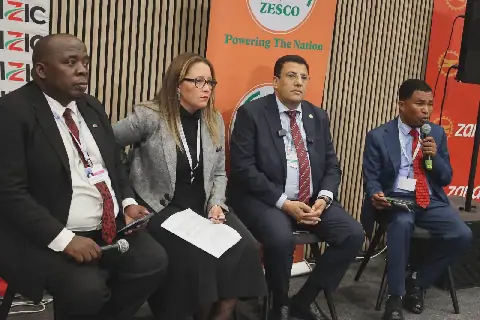
Tunisia is set to host a conference on November 25-26, 2026, to discuss the requirements of the European carbon adjustment mechanism and ways to enhance carbon efficiency. The conference, organized by the Ministry of Industry, Mines, and Energy, in collaboration with the German Institute of Metrology (PTB), aims to address the challenges faced by Tunisian industrial institutions in implementing the European carbon adjustment mechanism. The mechanism, which came into effect on January 1, 2026, requires exporters to provide accurate and reliable data on carbon emissions.
The conference will bring together industrial institutions, relevant infrastructure bodies, public decision-makers, and professional association representatives to discuss the readiness of the Tunisian system to provide necessary services for compliance with European requirements. The discussions will focus on enhancing various components of quality infrastructure, including metrology, testing, specifications, standardization, accreditation, verification, and technical regulation. The goal is to identify gaps and prioritize investments and services to support a transition towards a less carbon-intensive industry.
The European carbon adjustment mechanism applies to imports of carbon-intensive products, such as cement, iron, steel, aluminum, fertilizers, electricity, and hydrogen. Tunisian exporters must provide accurate and reliable data on carbon emissions and verify them. The conference will provide a platform for stakeholders to discuss ways to support exporters in complying with these requirements and maintaining their competitiveness in the European market.
The initiative aims to develop a shared vision for the needs of the Tunisian industrial sector and help it adapt to new environmental and commercial requirements. This will enhance carbon efficiency and competitiveness in international markets. The conference will also explore ways to develop priority services in the field of quality infrastructure, enabling exporting institutions to enhance their competitiveness and maintain access to the European market.
The conference is a response to the European Union's efforts to reduce carbon emissions and promote sustainable trade practices. The EU's carbon adjustment mechanism is designed to prevent carbon leakage and ensure that imports of carbon-intensive products do not undermine the EU's climate policies. Tunisia, as a major exporter to the EU, must adapt to these new requirements to maintain its market access.
The Ministry of Industry, Mines, and Energy, in collaboration with the German Institute of Metrology, is working to support Tunisian industries in their transition towards a low-carbon economy. The conference will provide a platform for stakeholders to discuss the challenges and opportunities arising from the implementation of the carbon adjustment mechanism and to identify solutions to support the development of a more sustainable and competitive industrial sector.
The outcome of the conference is expected to contribute to the development of a more sustainable and competitive industrial sector in Tunisia. The conference will help to identify the needs of the industrial sector and prioritize investments and services to support a transition towards a less carbon-intensive industry. This will enhance Tunisia's competitiveness in international markets and contribute to the country's sustainable development goals.
Key points
- The conference aims to enhance carbon efficiency and competitiveness in international markets.
Reporting sources
- Établissement de la Radiodiffusion-Télévision Tunisienne · Établissement de la Radiodiffusion-Télévision Tunisienne