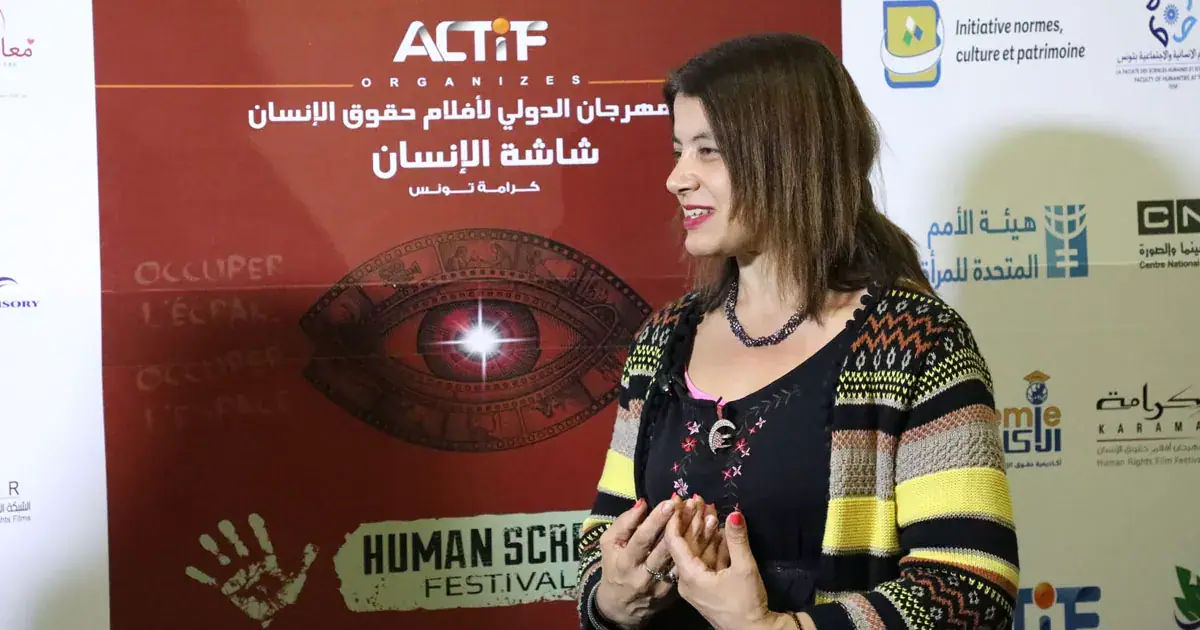
The 11th Human Screen Festival, a celebration of human rights cinema, began on November 3, 2026, at the Ciné-Théâtre Le Rio in Tunis. The festival, organized by the Tunisian Cultural Association for Insertion and Training (Actif) in collaboration with the National Center for Cinema and Image (CNCI), will run until November 7. This year's edition features over 30 films from 20 countries, including feature films, short films, documentaries, and animated works.
The festival's theme for this year is "She resists, she adapts: cinema, civil society, and climate justice." The event shines a light on pressing social issues such as women's rights, migration, exile, occupation, social inequality, and environmental protection. The festival's slogan, "Occupy the screen, occupy the space," reflects its mission to use cinema as a tool for denouncing injustices and promoting human rights.
The opening night of the festival was dedicated to Tunisian music and cinema, featuring a concert by the group Oyoun El Klem and a screening of the short film "Houria" by director Hajer Nefzi. The film tells the story of a woman who has faced stigmatization and violence but is working to rebuild her life. A special section of the festival is dedicated to Palestine, showcasing films such as "Palestinian Land. Global Shift" by Claudio Lara and "Free Fish" by Bisan Owda.
The festival also includes a forum organized in collaboration with Amnesty International, which will feature a screening of three Tunisian films. Some of the notable titles in the program include "Pipo Alone in the World" by Mohamad Feki, "La Liberté en acte" by Hichem Ben Ammar, and "Make Me Live Today… Let Me Die Tomorrow" by Mabrouka Khedir. Italian cinema is also represented, with the short film "Sunday" by Giulio Tonicelli screening on November 5.
In addition to film screenings, the festival will feature masterclasses, debates, and activities at universities in the capital. A masterclass by Tunisian director Elyes Baccar will explore the connections between documentary cinema, fiction, and ethics of representation. There will also be discussions on the role of images in understanding and defending fundamental rights.
The festival will conclude on November 7 with the announcement of the winning films and a musical performance dedicated to Palestine, featuring Palestinian artist Abdessalam Akkacheh. Through this 11th edition, Human Screen reaffirms its commitment to using cinema as a platform to amplify marginalized voices and promote human rights.
By showcasing films that tackle pressing social issues, the Human Screen Festival aims to inspire reflection and spark conversations about the world's most pressing challenges. With its diverse program and focus on human rights, the festival solidifies its position as a leading event in the world of cinema and social activism.
Key points
- The festival features over 30 films from 20 countries, highlighting issues such as women's rights, migration, and climate justice.
- A special section of the festival is dedicated to Palestine, showcasing films that shed light on the country's situation.
- The festival includes a forum organized with Amnesty International and a masterclass by Tunisian director Elyes Baccar.