The Tunisian fuel strike, scheduled for Wednesday and Thursday, is yet to be called off as negotiations between the unions and the government have not yielded any new results. According to Salim Sahimi, General Secretary of the General Union of Petroleum and Chemical Materials, the strike is still on and the union has shown flexibility in dealing with the situation. The union's goal is not to strike but to ensure workers' rights and Tunisians' access to fuel.
Sahimi stated that the Ministries of Industry, Energy, and Finance have done their part towards distribution companies by approving a 6% increase in profit margins to find solutions to workers' demands, particularly the payment of grants to fuel transport workers agreed upon since May 2019. However, this move did not benefit workers but rather the employers. The General Union of Petroleum and Chemical Materials had been pushing for better working conditions and payment of dues.
In a statement, the National Chamber of Hazardous Materials Transport and the National Transport Union, affiliated with the employers' organization, announced that fuel transport companies had not received any legal strike notice. They consider any work stoppage or disruption to truck traffic as an illegal act. The employers' organization emphasized that sector institutions respect existing social coverage laws and provide workers with professional safety according to international standards.
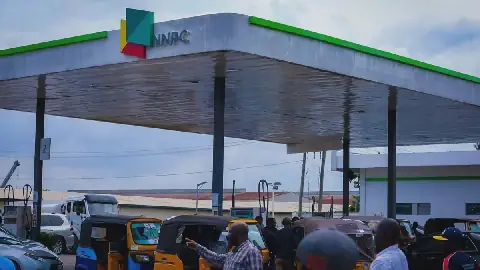
The organization pointed out that only two institutions face financial difficulties that have led to delays in paying contributions to the Social Security Fund, which does not justify a strike that targets market supply and disrupts citizens' movement and economic activity. The strike is set to affect fuel distribution across the country, potentially causing shortages and long queues at gas stations.
The Tunisian government has been trying to address workers' demands and avoid the strike. However, with no new developments in the negotiations, the strike seems imminent. The strike call was issued by the General Union of Petroleum and Chemical Materials, which represents workers in the sector. Workers are demanding better wages, improved working conditions, and payment of dues.
The strike may have a significant impact on the country's economy, particularly the transport sector, which relies heavily on fuel supplies. If the strike proceeds, it may lead to shortages of essential goods and services. The government has been urging workers to negotiate and find a peaceful resolution to the dispute.
As the strike looms, citizens are stocking up on fuel, fearing shortages and long queues at gas stations. The situation remains tense as workers and government officials continue to negotiate. The outcome of the negotiations will determine whether the strike will proceed as planned.
Key points
- The Tunisian fuel strike is set to begin on Wednesday as negotiations between unions and government stall.
- The strike may have a significant impact on the country's economy, particularly the transport sector.
- Workers are demanding better wages, improved working conditions, and payment of dues.