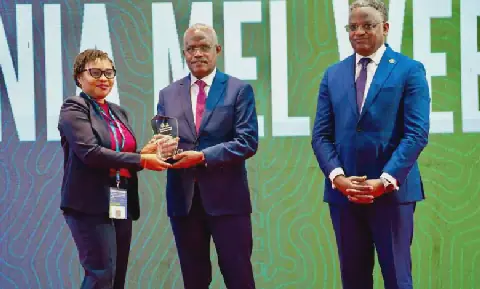
The Minister of State for Petroleum Resources (Oil), Heineken Lokpobiri, has come under fire for asserting that petrol is cheaper in Nigeria than in the United States. This claim was made during an appearance on Channels Television’s Politics Today, where he defended Nigeria’s petrol pricing. Lokpobiri argued that the country could not arbitrarily reduce the price of petrol due to global market dynamics.
Lokpobiri emphasized that crude oil and refined petroleum products are traded globally, and Nigeria cannot unilaterally set lower prices. He cited the operations of the Dangote Refinery, which would have to purchase crude at internationally determined prices. According to Lokpobiri, even if Nigeria increased its crude oil production, it would not significantly alter international price benchmarks.
Paul Ibe, media aide to Atiku Abubakar, the presidential candidate of the African Democratic Congress, challenged Lokpobiri’s comparison. Ibe argued that nominal pump prices do not provide a meaningful measure of affordability without considering income and purchasing power. He made his position known in a post on his X account.
Ibe highlighted the significant difference in earnings and purchasing power between workers in Nigeria and the US. He noted that a Nigerian earning N70,000 monthly at a petrol price of about N1,400 per litre could afford only 50 litres from their monthly income. In contrast, four weeks of earnings at the US federal minimum wage could purchase roughly 981 litres at prevailing American pump prices.
Ibe called for a broader assessment of petrol affordability, including indicators such as petrol costs as a share of wages, real household income, food inflation, transport costs, unemployment, poverty, and purchasing power. He argued that Nigerians spend a significant portion of their incomes on food, transportation, rent, electricity, and healthcare, leaving households with limited purchasing power to absorb higher petrol prices.
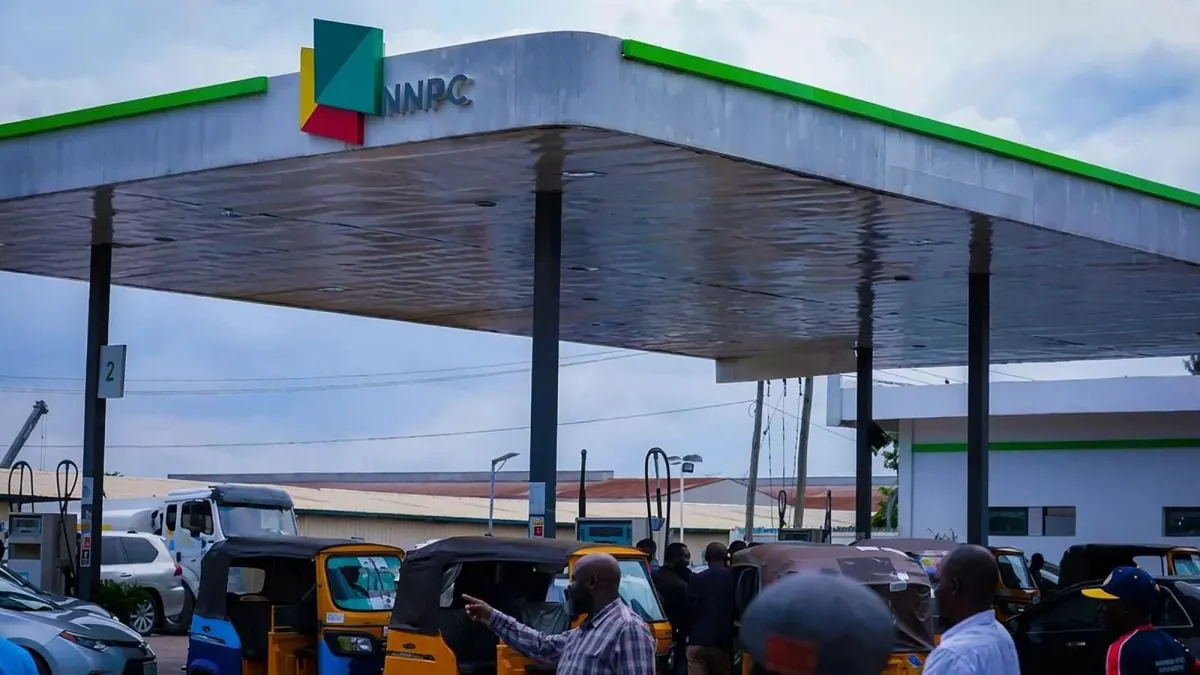
The criticism comes amid renewed public debate over petrol prices following the latest increase by the Nigerian National Petroleum Company Limited. Lokpobiri maintained that the Federal Government could not simply direct a reduction in pump prices, citing the deregulation of the downstream petroleum sector. He stated that the government does not have a direct role in determining petrol prices.
The debate over petrol prices and affordability is ongoing, with many Nigerians feeling the impact of rising fuel costs on their daily lives. The Dangote Refinery and increased local production have been touted as factors that could help alleviate some of the pressure, but the issue of affordability remains a contentious topic. Lokpobiri's comments have sparked a necessary conversation about how petrol prices affect Nigerians.
Key points
- The Minister of State for Petroleum Resources (Oil), Heineken Lokpobiri, faces criticism for claiming petrol is cheaper in Nigeria than in the US.
- Paul Ibe challenges Lokpobiri’s comparison, arguing that income and purchasing power must be considered when assessing petrol affordability.
- The debate over petrol prices and affordability continues amid rising fuel costs and their impact on Nigerians' daily lives.