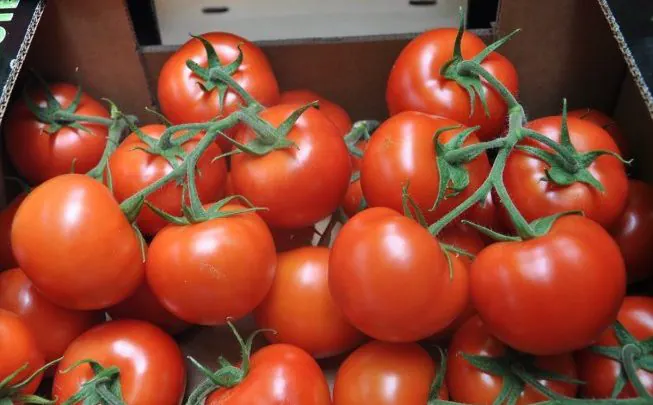
Tunisia is currently facing a significant shortage of tomatoes in its markets, leading to a notable increase in prices. The price of tomatoes has exceeded 3 dinars per kilogram in both wholesale and retail markets. This shortage is primarily attributed to climatic factors and the natural fluctuation in tomato production during the transition between seasons. As the summer season comes to a close, the country is experiencing a gap in tomato production, commonly referred to as the "autumn gap."
The extreme weather conditions, including unusually high temperatures and hailstorms, have severely impacted tomato crops, leading to substantial damage and a decrease in production. These conditions have disrupted the normal supply chain, resulting in the current shortage. The situation is expected to improve with the onset of the new production season, particularly with the arrival of early-season tomatoes, often referred to as "Bakorat."
The impact of the shortage is being felt across the country, with consumers facing higher prices for this staple product. The government and agricultural sector are closely monitoring the situation to ensure that the market is stabilized as quickly as possible. Discussions are underway to explore immediate solutions to mitigate the effects of the shortage and to support farmers who have been affected by the adverse weather conditions.
In a recent radio interview on "Tunisia Today" broadcast on Radio Jeunes, experts and stakeholders discussed the current situation and potential solutions. The president of the Tunisian Farmers' Union, Midawi, highlighted the challenges faced by farmers due to climatic changes and emphasized the need for sustainable agricultural practices to build resilience against future shocks.
The agricultural sector in Tunisia plays a crucial role in the country's economy and food security. The government has been implementing various initiatives to support farmers and enhance agricultural productivity. These initiatives include investments in irrigation systems, crop insurance, and extension services to help farmers adapt to changing climatic conditions.
The current tomato shortage is a reminder of the vulnerabilities of the agricultural sector to climatic shocks. It underscores the importance of developing strategies to improve the resilience of agricultural production and to ensure food security. The situation is being closely monitored, and efforts are being made to address the immediate challenges and to build a more sustainable agricultural future.
As the country looks ahead to the new production season, there is hope that the supply of tomatoes will stabilize, and prices will return to normal. The government's proactive measures and the resilience of Tunisian farmers are expected to play a significant role in addressing the current shortage and ensuring a stable food supply for the population.
Key points
- The tomato shortage in Tunisia is primarily due to climatic factors and seasonal fluctuations.
- The shortage has led to a significant increase in tomato prices, exceeding 3 dinars per kilogram.
- The situation is expected to improve with the onset of the new production season and the arrival of early-season tomatoes.