Plastic pollution poses a substantial economic burden on Tunisia, with estimated annual costs ranging from $170 million to $560 million. If left unchecked, the cumulative cost of inaction could reach $3-10 billion by 2040. These estimates, based on economic modeling, highlight the financial consequences of pollution affecting natural resources, economic activities, and public health. The issue extends beyond environmental concerns, as it also has significant economic implications for the country.
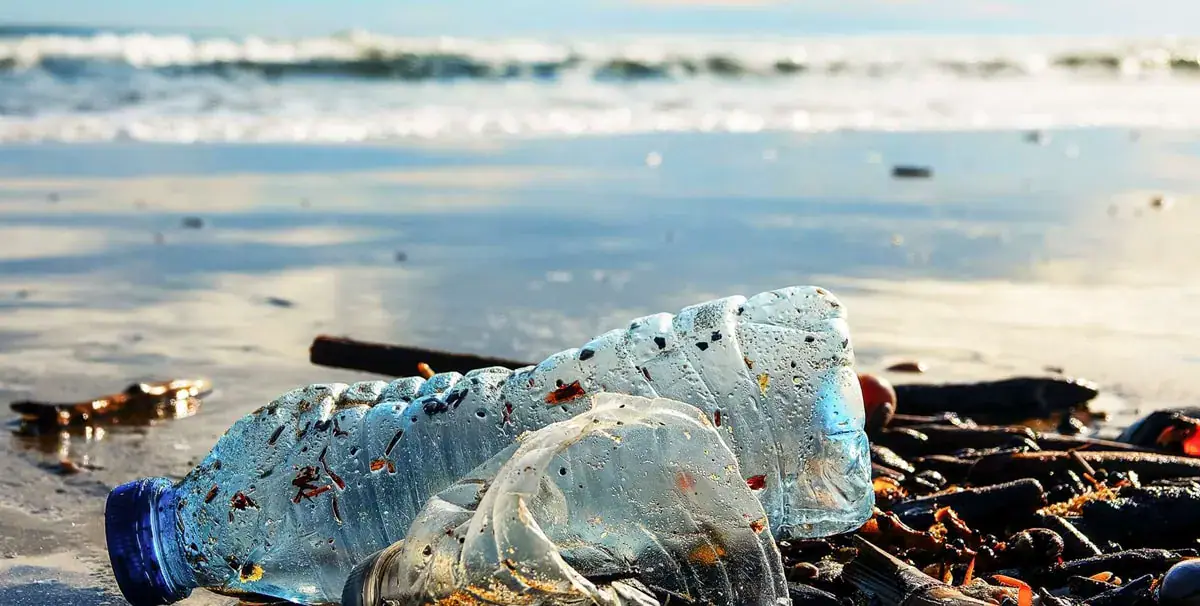
A recent report by Greenpeace Middle East and North Africa (MENA) titled "The Hidden Price of Plastic" provides insight into the extent of plastic pollution in Tunisia. The report analyzed waste collected from nine Tunisian beaches, revealing that 77% of the 9,821 items collected were made of plastic. Furthermore, 98.2% of the identifiable waste originated from within Tunisia. This data underscores the need for the country to address the root causes of plastic pollution.
The report also highlights the issue of abandoned or lost fishing equipment, which accounted for 22.2% of the weight of waste observed on the studied beaches. Greenpeace recommends extending producer responsibility to these equipment to ensure their proper disposal. The organization emphasizes that effective waste management is crucial, but efforts should focus on reducing plastic production rather than solely managing waste.
Tunisia has implemented regulations to address plastic pollution, including restrictions on single-use plastic bags that have been in effect since January 2020. However, enforcement remains inconsistent, and banned products continue to be available in distribution channels. Greenpeace is calling for strengthened controls and expanded producer responsibility schemes to mitigate the issue.
The consequences of plastic pollution in Tunisia are not limited to coastal areas, as it affects territories where waste is produced, abandoned, or poorly collected. The Mediterranean region faces significant plastic pollution, with approximately 229,000 tonnes of plastic entering the sea annually. A substantial portion of this pollution originates from land, transported by watercourses and runoff.
Greenpeace estimates that banning certain single-use plastic products could reduce plastic waste in the Mediterranean by 23%. This prospect underscores the importance of addressing the issue at its source rather than focusing solely on waste collection and recycling. Effective measures to reduce plastic production and improve waste management are essential to mitigate the economic and environmental impacts of plastic pollution.
To address the plastic pollution issue, Tunisia must prioritize a multi-faceted approach that includes strengthening regulations, enhancing enforcement, and promoting producer responsibility. The country's efforts should focus on reducing plastic production, improving waste management, and mitigating the economic and environmental consequences of plastic pollution. By taking proactive measures, Tunisia can minimize the financial burden of plastic pollution and protect its natural resources.
Key points
- Plastic pollution costs Tunisia $170-560 million annually.
- Inaction on plastic pollution could cost Tunisia $10 billion by 2040.
- 77% of waste collected from Tunisian beaches was made of plastic.