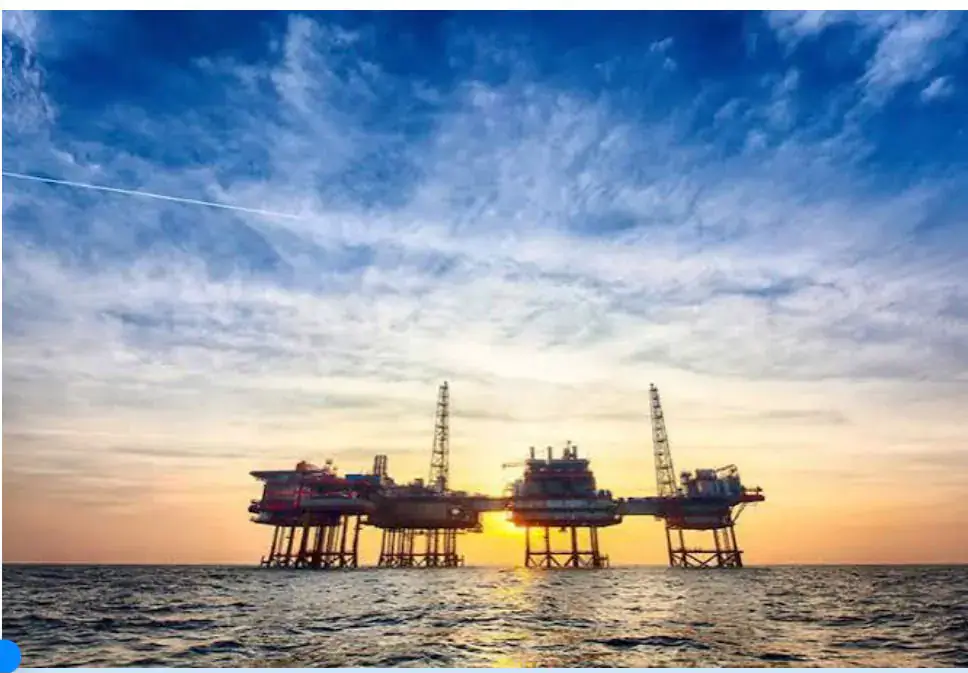
As global leaders discuss stronger ocean protection commitments at COP31 in Türkiye, Liberia is offering 15 offshore petroleum blocks to investors. The Liberia Petroleum Regulatory Authority launched its 2026 Offshore Direct Negotiation Licensing Round in October, with 12 blocks in the Liberia Basin and three in the Harper Basin. Interested companies have until April 15, 2027, to submit letters of intent. The round aims to attract exploration investment, promoting Liberia's offshore petroleum potential to international investors.
Liberia's offshore licensing plans coincide with commitments in its 2035 Nationally Determined Contribution, or NDC 3.0, to establish two marine protected areas and four co-managed fisheries areas by 2035. The country relies heavily on marine ecosystems for food, employment, and income, particularly in coastal communities where fishing and fish processing support household livelihoods. Environmental risks associated with offshore exploration have raised concerns, including impacts on marine life from seismic surveys, drilling waste, and accidental spills.
Bruna Campos, an oil and gas campaigner at the Center for International Environmental Law, highlighted the potential risks of offshore exploration. Seismic surveys can disturb marine mammals, while drilling waste and accidental spills can affect smaller organisms that form the foundation of marine food chains. Campos cited the Deepwater Horizon disaster in the Gulf of Mexico as an example of the risks associated with offshore exploration. Liberia has a history of offshore exploration, but there is limited information on major oil spills in Liberian waters.
Campos emphasized that marine ecosystems cannot be treated as isolated spaces when assessing risks. She argued that the impact of offshore exploration will be felt everywhere, and there are no borders in the marine environment. Liberia's NDC 3.0 also commits to identifying endangered and vulnerable fish species and mapping areas important to their protection by 2028. The government has not publicly provided a map showing how the licensing areas relate to planned conservation zones and important fishing grounds.
The stakes are immediate for people whose livelihoods depend on the sea, particularly in West Point, one of Monrovia's largest coastal communities. Fishing and fish processing remain important sources of income, while erosion continues to threaten homes, landing areas, and other infrastructure. Residents say coastal conditions and declining fish catches are adding to the challenges facing fishing communities. A 2025 environmental and social impact assessment identified possible restrictions on fishermen's access to landing sites and beaches as risks that could arise during construction of the coastal defense structure.
Thomas Tweh, a West Point community leader, estimated that 92 percent of the community depends on fishing, with the remaining 8 percent relying on other activities. He said lower catches reduce income and worsen food insecurity among fishing households. Tweh also stated that residents had not been adequately informed or consulted about the proposed offshore petroleum activities. He described the plans as new to the community, with no direct benefits or community engagement at the moment.
The government's commitment to expanding marine conservation and protecting coastal livelihoods will be closely watched. Key questions remain about the locations of the planned marine protected areas, potential overlap with petroleum blocks, environmental safeguards, and how the government will protect coastal communities. The outcome of COP31 and Liberia's offshore licensing plans will have significant implications for the country's marine ecosystems and the people who depend on them.
Key points
- Liberia's offshore licensing plans coincide with commitments to establish two marine protected areas and four co-managed fisheries areas by 2035.
- Environmental risks associated with offshore exploration have raised concerns, including impacts on marine life from seismic surveys, drilling waste, and accidental spills.
- The government's commitment to expanding marine conservation and protecting coastal livelihoods will be closely watched.
Reporting sources
- As COP31 Debates Ocean Protection, Liberia Offers 15 Offshore Blocks · FrontPage Africa