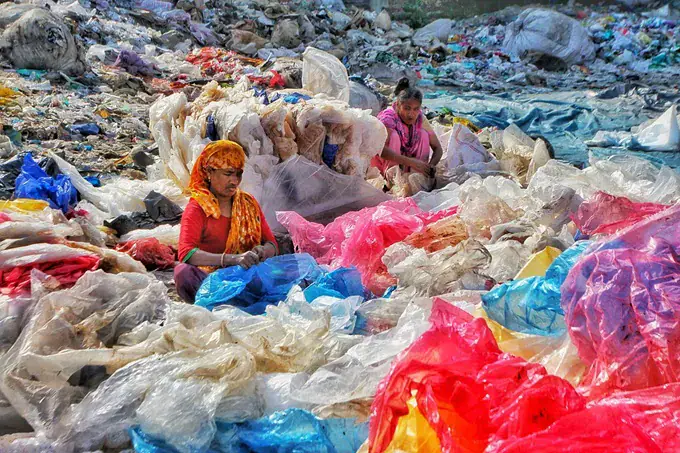
Plastic pollution in Tunisia has significant economic and health implications, with estimated annual costs ranging from $170 million to $560 million. According to a report by Greenpeace Middle East and North Africa (MENA), if left unchecked, these costs could escalate to between $3 billion and $10 billion by 2040. This issue affects not only the environment but also public health, with communities living near uncontrolled landfills exposed to increased health risks.
The problem of plastic pollution extends beyond Tunisia's borders, with the entire MENA region facing substantial challenges. Approximately 229,000 tons of plastic waste enter the Mediterranean Sea every year, contributing to a total of around 155 million tons of waste produced annually in the region. This figure is expected to rise to 294 million tons by 2050. The consequences of inaction will be severe, with the regional cost of plastic pollution potentially reaching $98 billion by 2040.
The health impacts of plastic pollution in Tunisia and the wider MENA region are concerning. Populations near uncontrolled landfills are at a higher risk of contracting diseases such as respiratory infections, dengue fever, and skin conditions. However, a significant portion of these losses can be mitigated through concrete measures, including the prohibition of certain single-use plastic products. This step could reduce plastic waste in the Mediterranean by 23%.
As the international community prepares for negotiations on a global treaty to combat plastic pollution in March 2027, Tunisia has an opportunity to advocate for a binding agreement. Such an accord would aim to limit plastic production, phase out single-use products, promote reuse, and ensure equitable financing for the transition to a zero-waste economy. Delaying action will only increase the financial burden, according to the Greenpeace report.
The urgency for action is underscored by the connections drawn between plastic pollution and climate change at the 31st United Nations Climate Conference (COP31) in November 2026. The conference supported initiatives to reduce waste, promote recycling, and accelerate the transition to a circular economy. On the sidelines of the conference, the Global Zero Waste Alliance was launched to transform zero-waste efforts into sustainable international partnerships and environmental cooperation projects.
In addition to international cooperation, national policy and waste management practices must be mobilized to address the issue. The Tunisian government, along with local communities and individuals, bears a significant share of the increasing costs associated with plastic pollution. These costs affect both the environment and public health, making it essential to adopt a comprehensive approach to mitigate the impacts of plastic waste.
The situation in Tunisia serves as a microcosm of the broader challenges faced by the MENA region. With the right measures in place, including policy changes and international cooperation, it is possible to reduce the economic and health costs associated with plastic pollution. By taking action now, Tunisia and other affected countries can work towards a more sustainable future and mitigate the severe consequences of inaction.
Key points
- Plastic pollution costs Tunisia $170-560 million annually, with potential losses reaching $3-10 billion by 2040.