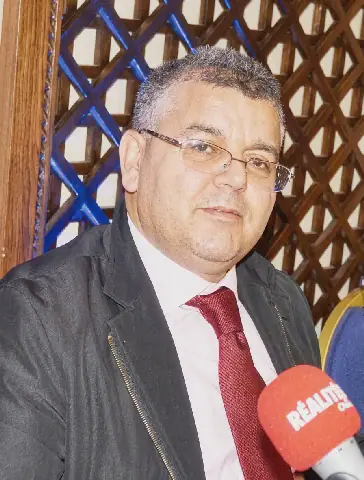
Tunisia's Minister of Justice, Leïla Jaffel, recently addressed the Parliament, providing an update on the country's prison system, recidivism rates, and alternative sentences. She stated that alternative sentences are subject to specific legal conditions, including the consent of the convicted person, and do not apply to crimes. According to Jaffel, 3,423 inmates have benefited from conditional release decisions made by judges between January 1 and November 17, 2026.
The total number of inmates released during this period was 10,363, while 13,164 individuals benefited from presidential pardons and conditional releases. Jaffel also noted that 77.5% of the prison population is comprised of individuals convicted of crimes, who are not eligible for alternative sentences. These sentences are reserved for misdemeanors and are subject to specific legal criteria. The minister also reported a recidivism rate of 28.9% among accused individuals and 36.4% among convicted individuals in major crime categories.
Jaffel provided further insight into the types of crimes committed by inmates, stating that 31.49% of prisoners are incarcerated for drug trafficking, while 59.33% are imprisoned for crimes related to drug trafficking, theft, or murder. Additionally, 18.36% of the prison population is comprised of individuals convicted of theft, which carries a maximum sentence of 20 years. The minister emphasized that her department is committed to improving prison conditions and providing inmates with opportunities for rehabilitation.
To support rehabilitation, 57 inmates are currently enrolled in educational programs, with 32 having obtained their high school diploma. In 2025, 4,540 inmates worked in the industrial and agricultural sectors. Jaffel also announced that the recruitment exam for lawyers, initially scheduled for this year, has been postponed to the first half of 2027. This decision was made to revise the texts governing the exam. Since 2022, 800 lawyers have been recruited.
Jaffel defended the functioning of Tunisia's judicial institutions, stating that delays in delivering judgments are limited to specific cases and do not reflect the overall performance of the courts. She also criticized the boycott of certain criminal hearings by lawyers, viewing it as an attempt to pressure the justice system. The minister emphasized the importance of ensuring the smooth operation of the judicial system.
The minister's address to the Parliament aimed to provide transparency and clarity on the state of Tunisia's prison system and justice institutions. Her statements highlight the government's efforts to improve prison conditions, promote rehabilitation, and ensure the effective functioning of the judicial system. By providing data and statistics, Jaffel sought to inform the public and address concerns about the country's justice system.
Moving forward, the Tunisian government is expected to continue its efforts to reform the prison system and promote rehabilitation. The postponement of the lawyer recruitment exam and the ongoing educational and vocational programs for inmates are part of these efforts. As the government works to address the challenges facing the justice system, citizens can expect increased transparency and accountability.
Key points
- 77.5% of Tunisia's prison population is comprised of individuals convicted of crimes, who are not eligible for alternative sentences.
- The recidivism rate among accused individuals is 28.9%, while it is 36.4% among convicted individuals in major crime categories.
- 3,423 inmates have benefited from conditional release decisions made by judges between January 1 and November 17, 2026.