A recent report by Greenpeace Moyen-Orient et Afrique du Nord (MENA) has highlighted the significant economic impact of plastic pollution in Tunisia. The country's annual cost for dealing with plastic pollution is estimated to be between 502.5 million and 1.65 billion dinars, which translates to approximately $170 to $560 million. This substantial financial burden is expected to increase if no action is taken to address the issue.
The report emphasizes that the problem of plastic pollution goes beyond just the environmental concerns and affects various aspects of the economy, including the marine ecosystem, tourism, and fishing industries. Tunisia produces around 188,000 tonnes of plastic waste annually, contributing to a total of over 2 million tonnes of waste. The country's reliance on single-use plastics and inadequate waste management systems exacerbate the issue.
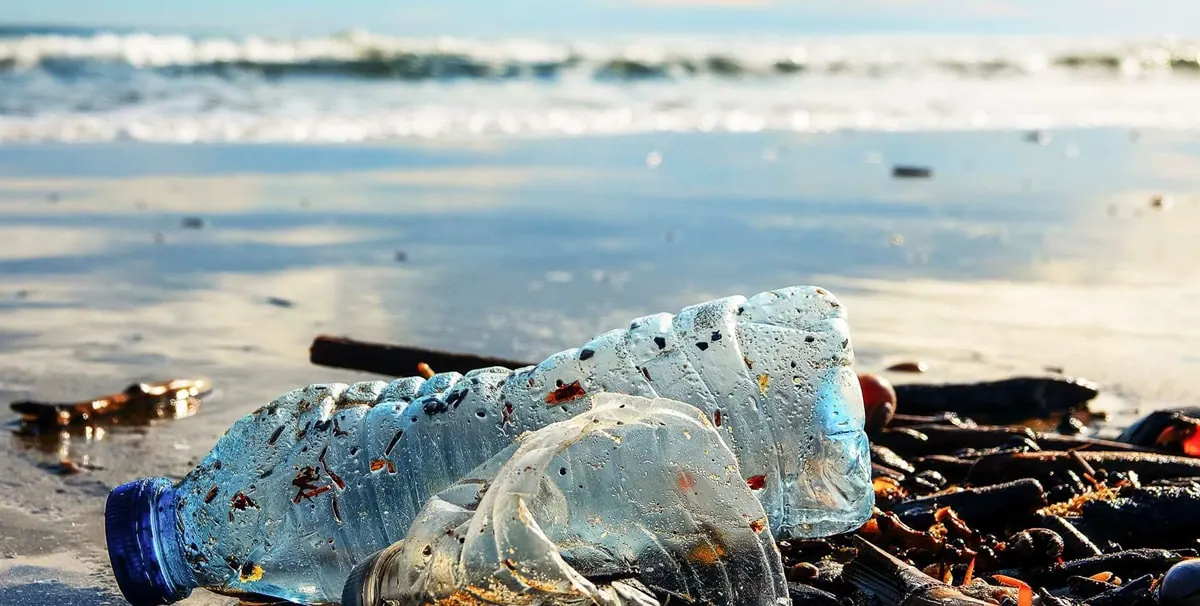
The situation on Tunisia's beaches is particularly alarming, with plastic waste making up a significant majority of collected debris. A scientific study on Mediterranean beaches in Egypt, Tunisia, and Morocco found that artificial polymers accounted for 80.5% of the collected elements. This highlights the need for effective measures to reduce plastic waste and improve waste management practices.
The impact of plastic pollution on Tunisia's economy and environment cannot be overstated. The country's coastline is home to a significant portion of its tourism and economic activities, making it vulnerable to the effects of pollution. If left unchecked, the problem may transform into a competitiveness issue for the territory, affecting its attractiveness to tourists and investors.
The Greenpeace report stresses that the solution to plastic pollution in Tunisia requires a multi-faceted approach. It involves reducing waste generation, improving collection and recycling, and promoting sustainable practices. The report also highlights the importance of addressing the issue at its source, rather than just focusing on cleaning up the coastline.
The issue of plastic pollution is set to be discussed at an international level, with government delegations meeting in Bangkok from September 27 to 30 to negotiate a global treaty on plastics. Tunisia is directly concerned with these discussions, and the country's participation is crucial in shaping the future of plastic pollution management.
Key points
- The cumulative cost of plastic pollution in Tunisia may reach 29.5 billion dinars by 2040.
- The country's annual cost for dealing with plastic pollution is estimated to be between 502.5 million and 1.65 billion dinars.
- Plastic waste makes up a significant majority of debris collected on Tunisia's beaches.