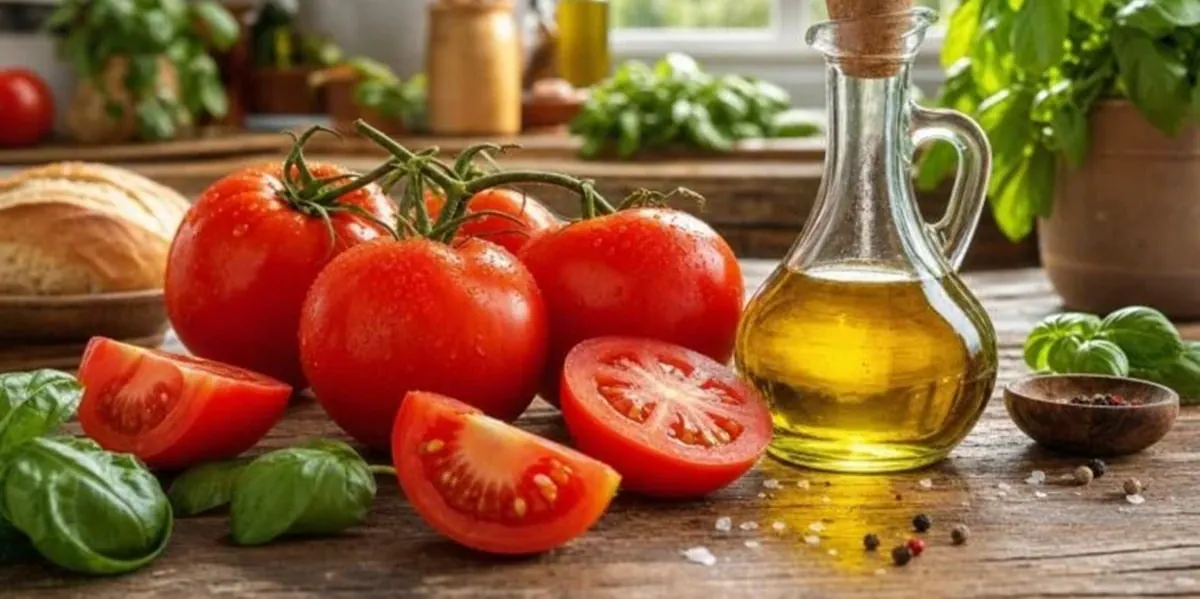
Tunisia is currently facing a shortage of fresh tomatoes in its markets. The situation is attributed to the challenges faced by producers during late-season plantings. According to Adel Antit, a member of the National Chamber of Tomato Producers, the heat waves experienced during the summer have severely impacted crops. The plantings done in late June were particularly vulnerable to high temperatures.
The heat waves led to the wilting and death of many young plants, significantly reducing the productive areas and, consequently, the volume of tomatoes available in the markets. The phenomenon did not spare a single agricultural area, with several major tomato-producing regions in Tunisia facing similar difficulties. These regions include Sejnane and Garaet in the Bizerte governorate, as well as Kasserine and Gafsa.
The high mortality rate of plants in these areas resulted in a substantial decrease in yields, which normally contribute to the market supply during this period. Adel Antit estimates that only a very limited quantity of the initially planned production was preserved. The production deficit directly translates to a reduced availability of fresh tomatoes in Tunisian markets.
This situation highlights the growing vulnerability of market gardening crops to extreme heat episodes. For tomato producers, late-season plantings appear particularly exposed when high temperatures persist during the period when young plants need to establish and develop. The current shortage is a significant concern for the country's food supply.
The impact of the heat waves on tomato production is a pressing issue for Tunisian farmers and consumers. The reduced availability of fresh tomatoes is expected to affect market prices, potentially leading to an increase in costs for consumers. The situation may also have long-term implications for the country's agricultural sector.
Farmers and agricultural experts are working to assess the full extent of the damage and explore possible solutions to mitigate the effects of extreme weather conditions on crops. The goal is to find ways to protect plants and ensure a stable food supply in the face of climate change.
The fresh tomato shortage in Tunisia serves as a reminder of the need for sustainable agricultural practices and climate-resilient crop management strategies. The country's agricultural sector must adapt to the changing climate to ensure food security and stability in the market.
Key points
- Extreme heat waves have severely impacted tomato production in Tunisia, leading to a shortage of fresh tomatoes in the markets.
- The shortage highlights the vulnerability of market gardening crops to extreme weather conditions and the need for climate-resilient agricultural practices.
- The situation may have long-term implications for the country's agricultural sector and food supply.