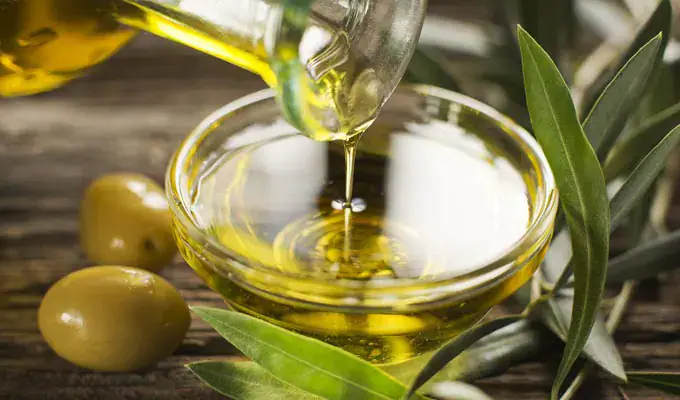
Tunisia's olive oil production is expected to reach 300,000 tonnes in the 2026-2027 campaign, a significant decrease from the 500,000 tonnes produced in the previous season. According to Mouldi Ramdhani, representative of the National Olive Oil Council, this decline is attributed to difficulties in rain-fed olive groves, financing constraints, and phytosanitary issues. The decrease in production is expected to have a substantial impact on the country's olive oil industry.
The decline in Tunisia's olive oil production comes at a time when the European Union is expected to have an abundant harvest. The International Olive Council estimates that the EU's production will reach 2.4 million tonnes in the 2026-2027 campaign, with Spain leading the way with 1.6 million tonnes, followed by Greece, Italy, and Portugal. This increase in European production is likely to intensify competition in the international market, making it more challenging for Tunisian producers and exporters.
The prices of olive oil vary significantly depending on the country of origin. In Italy, the prices of new olive oil reached 5.05 euros per kilogram in Bari and 4.80 euros in Foggia. In contrast, Portuguese offers were reported between 3.30 and 3.60 euros per kilogram. These price differences reflect variations in quality, origin, and availability. The market fragmentation is likely to affect Tunisian exporters, who will need to navigate these price differences to remain competitive.
The impact of the decline in production on Tunisian exports is a significant concern. With a reduced harvest, the country's exportable volumes will be limited, which may affect its revenue. The commercialization of olive oil in bulk, which is still prevalent in Tunisia, exposes exporters to international price fluctuations. To mitigate this vulnerability, the development of packaged olive oil, Tunisian brands, and higher-value outlets could be crucial.
The 2026-2027 campaign is a critical test for Tunisia's olive oil industry. The country needs to preserve its revenue in an environment where national scarcity does not guarantee an increase in international prices. The industry will need to adapt to the changing market conditions and explore new strategies to remain competitive. This may involve investing in new technologies, improving production efficiency, and diversifying export markets.
Tunisia's olive oil exporters face a double challenge: a decline in production and increased competition from European producers. To overcome these challenges, the industry will need to focus on quality, innovation, and marketing. The development of new products, such as packaged olive oil, and the promotion of Tunisian brands could help to increase the country's export revenue.
The decline in Tunisia's olive oil production and the challenges it poses to the industry highlight the need for sustainable and innovative solutions. The country's olive oil industry must navigate the complexities of the global market, while also addressing the challenges posed by climate change, financing constraints, and phytosanitary issues. By adopting new strategies and investing in the industry, Tunisia can mitigate the impact of the decline in production and remain a significant player in the global olive oil market.
Key points
- Tunisia's olive oil production is expected to decline by 40% to 300,000 tonnes in the 2026-2027 campaign.
- The European Union is expected to have an abundant harvest, with production reaching 2.4 million tonnes in the 2026-2027 campaign.
- The decline in production and increased competition from European producers pose significant challenges to Tunisian olive oil exporters.