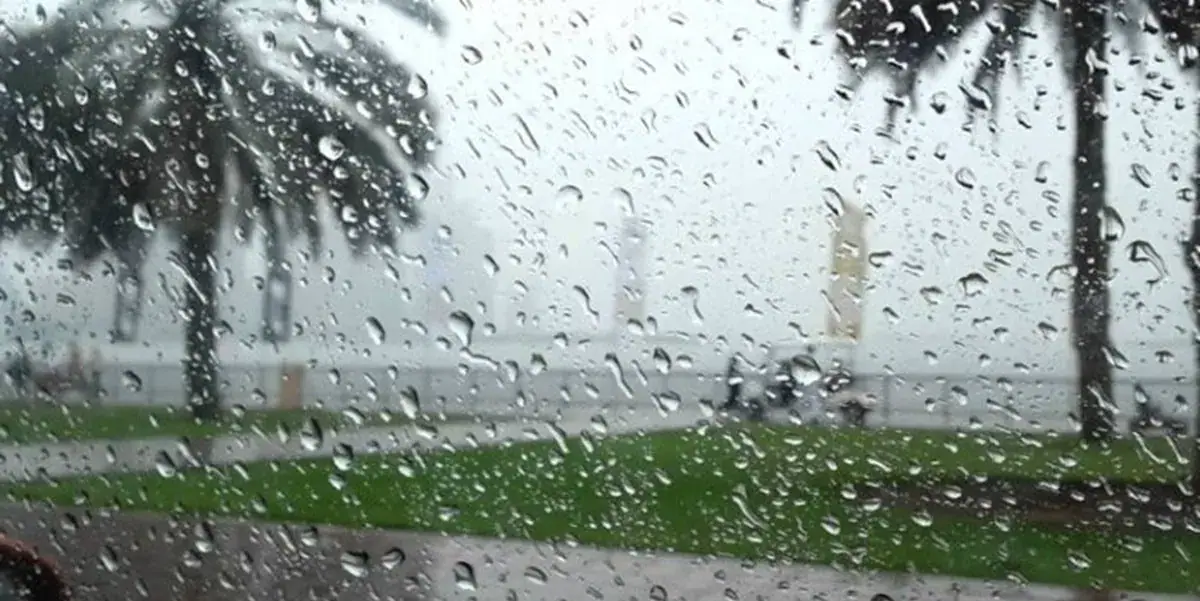
Tunisia officially enters the winter season on Sunday, November 29, 2026, according to the traditional agricultural calendar. This date signifies the beginning of a period characterized by gradually decreasing temperatures, longer nights, and changing weather conditions. The agricultural calendar, long used in rural areas, is based on observations of natural cycles and climate changes to organize agricultural activities and anticipate different cold periods.
The start of winter in Tunisia is marked on different dates depending on the calendar used. The meteorological winter begins on December 1, allowing weather services to divide the seasons into fixed three-month periods and facilitating statistical comparisons from year to year. In contrast, the astronomical winter will start on December 21, 2026, with the winter solstice, the shortest day of the year in the Northern Hemisphere.
The traditional agricultural winter is divided into several periods corresponding to different phases of winter. These periods are associated with "white nights" and "black nights," followed by a particularly cold period. These popular names reflect the experience accumulated over generations in the face of seasonal variations and climate conditions.
From a meteorological perspective, the winter months of December, January, and February are crucial for precipitation, especially in the Northwest. Rainfall totals can exceed 100 millimeters in certain regions of the far North in December, while amounts recorded in the Center and South are generally less significant.
According to seasonal forecasts published by the National Institute of Meteorology (INM), temperatures in Tunisia are expected to be higher than usual during the period from November 2026 to January 2027. Precipitation, on the other hand, could be lower than average, particularly in the North and Central regions.
This weather outlook is of particular concern in a country where water resources are under pressure and winter precipitation plays a vital role in filling dams, replenishing groundwater, and conducting agricultural campaigns. December and January are usually the most important periods for precipitation.
The varying definitions of winter and the forecasted weather conditions highlight the complexities of seasonal changes and climate variability in Tunisia. Understanding these differences and staying informed about weather forecasts are essential for planning and managing agricultural activities and mitigating the impacts of climate change.
Key points
- Tunisia's winter begins on November 29 according to the traditional agricultural calendar.
- Meteorological winter starts on December 1, while astronomical winter begins on December 21.
- The 2026-2027 winter is forecast to be warmer than usual, with potentially lower precipitation.