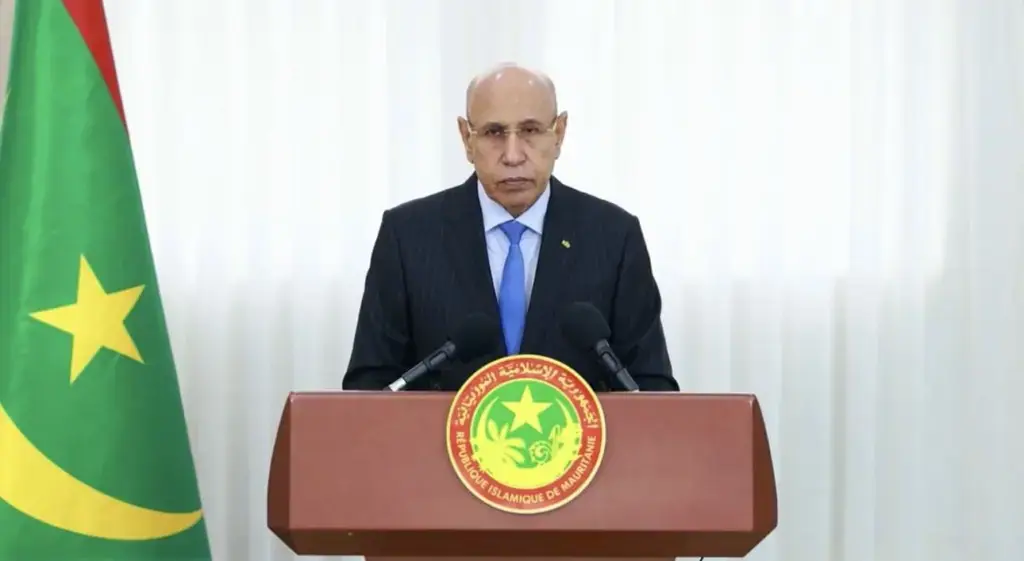
Mauritanian President Mohamed Ould Cheikh El Ghazouani announced a seventh salary increase for civil servants, the second to affect all state employees, as part of the country's 66th Independence Day celebrations. The increases range from 10,000 to 15,000 ouguiyas, depending on the sector. This move aims to improve the living standards of civil servants and follows a series of salary increases since Ghazouani took office in 2019.
The latest increases include a 10,000 ouguiya rise in salaries for education and training agents, as well as an equivalent increase in the chalk allowance. Health workers will receive the same salary increase, plus a 5,000 ouguiya risk allowance for paramedics. Members of the armed forces and security forces will receive a 15,000 ouguiya increase, while other state officials and administrative public establishment agents will receive 10,000 ouguiyas.
In addition to the salary increases, Ghazouani announced a new reform of the civil and military pension scheme, which will come into effect on January 1, 2027. The reform provides for increased pensions for civil servants who retire after its entry into force. Retirees will also receive a monthly increase of 10,000 ouguiyas, with a supplement for those whose pension is less than 50,000 ouguiyas, bringing the minimum pension threshold to this amount.
The president also instructed the government to consult with the Mauritanian Employers' Federation to grant a monthly increase of 10,000 ouguiyas to private sector employees subject to the collective agreement and earning less than 150,000 ouguiyas. This move is part of a series of salary increases announced since Ghazouani took office in 2019, with previous increases focusing on specific sectors such as health, education, and the armed forces.
Economists have offered mixed views on the effectiveness of these increases. Sidi Al-Khayr Ould Amr argues that general increases combined with sector-specific rises can help address imbalances between sectors and grades. However, Dr. Abdallah Aouah believes that these increases are driven by a resource deficit approach, despite the state's budget tripling since 2019. Aouah calls for a scientifically-based study of the salary situation and a policy ensuring a minimum standard of living for civil servants.
An analysis of the past seven years shows that health and education workers, as well as members of the armed forces and security forces, have benefited the most from these increases. For example, a general practitioner's salary rose from 150,000 ouguiyas in 2018 to around 300,000 ouguiyas after the increases, while a teacher's monthly income increased from 133,810 ouguiyas in 2019 to around 260,000 ouguiyas.
The increases have also affected other sectors, including higher education, where professors' salaries have risen from around 300,000 ouguiyas in 2019 to between 512,000 and 520,000 ouguiyas at the start of their careers. Military personnel have received four increases totaling 60,000 ouguiyas per month since 2023.
Key points
- The salary increases range from 10,000 to 15,000 ouguiyas, depending on the sector.
- A new pension reform will come into effect on January 1, 2027, providing increased pensions for civil servants who retire after its entry into force.
- Economists have offered mixed views on the effectiveness of these increases, with some arguing that they do not address underlying imbalances and others calling for a more comprehensive approach to addressing salary issues.