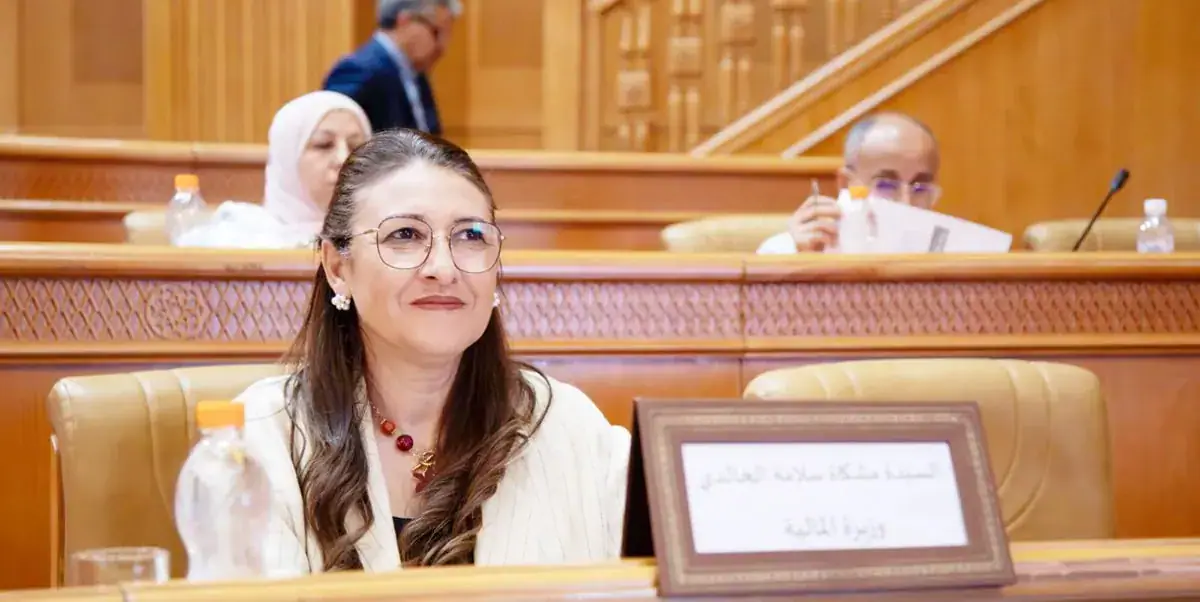
The Tunisian government's plan to launch a unified tax account has been delayed to the first quarter of 2027. Initially scheduled for the first quarter of 2026, the postponement marks a one-year setback. The account aims to centralize taxpayers' information and operations on a single digital platform. According to Finance Minister Michket Salama Khaldi, the delay was announced during a parliamentary session on November 3, 2026.
The unified tax account is a crucial step in the digitalization of Tunisia's tax services. It will gather a taxpayer's fiscal data and facilitate tracking of their obligations and operations with the administration. The goal is to simplify procedures, improve access to tax information, and reduce the dispersal of procedures across different services. The delay will push back the implementation of this tool by about 12 months.
The electronic invoicing platform has received nearly 1.8 million invoices, with around 37,000 settled, according to Minister Khaldi. This represents about 2.1% of the total invoices received. While this provides an initial insight into the platform's activity, it is not enough to gauge the level of compliance among businesses or the effectiveness of the system.
To interpret these statistics accurately, more information is needed, including the covered period, applicable payment deadlines, and the nature of unsettled invoices. These two projects illustrate the stakes of Tunisia's tax administration digital transformation. The unified tax account aims to facilitate relations between taxpayers and the administration, while electronic invoicing seeks to dematerialize invoice exchanges.
The digitalization of tax services is a significant step towards improving the efficiency and transparency of Tunisia's tax system. The government hopes that these measures will enhance taxpayer compliance and reduce tax evasion. However, the delay in launching the unified tax account may impact the government's revenue collection efforts.
In a related development, Tunisia's tax authorities have made significant progress in recovering tax arrears. According to recent reports, the authorities have recovered around 5.188.9 million dinars in tax arrears over nine months. This achievement demonstrates the government's efforts to strengthen tax compliance and enforcement.
The government faces challenges in implementing these digital projects within the announced deadlines. Ensuring the smooth rollout of the unified tax account and electronic invoicing system will be crucial to achieving the desired outcomes. The authorities must provide regular updates on the progress of these projects and their impact on taxpayers and the economy.
Key points
- The launch of Tunisia's unified tax account has been delayed to 2027.
- The electronic invoicing platform has received 1.8 million invoices, with 37,000 settled.
- The digitalization of tax services aims to improve efficiency, transparency, and taxpayer compliance.