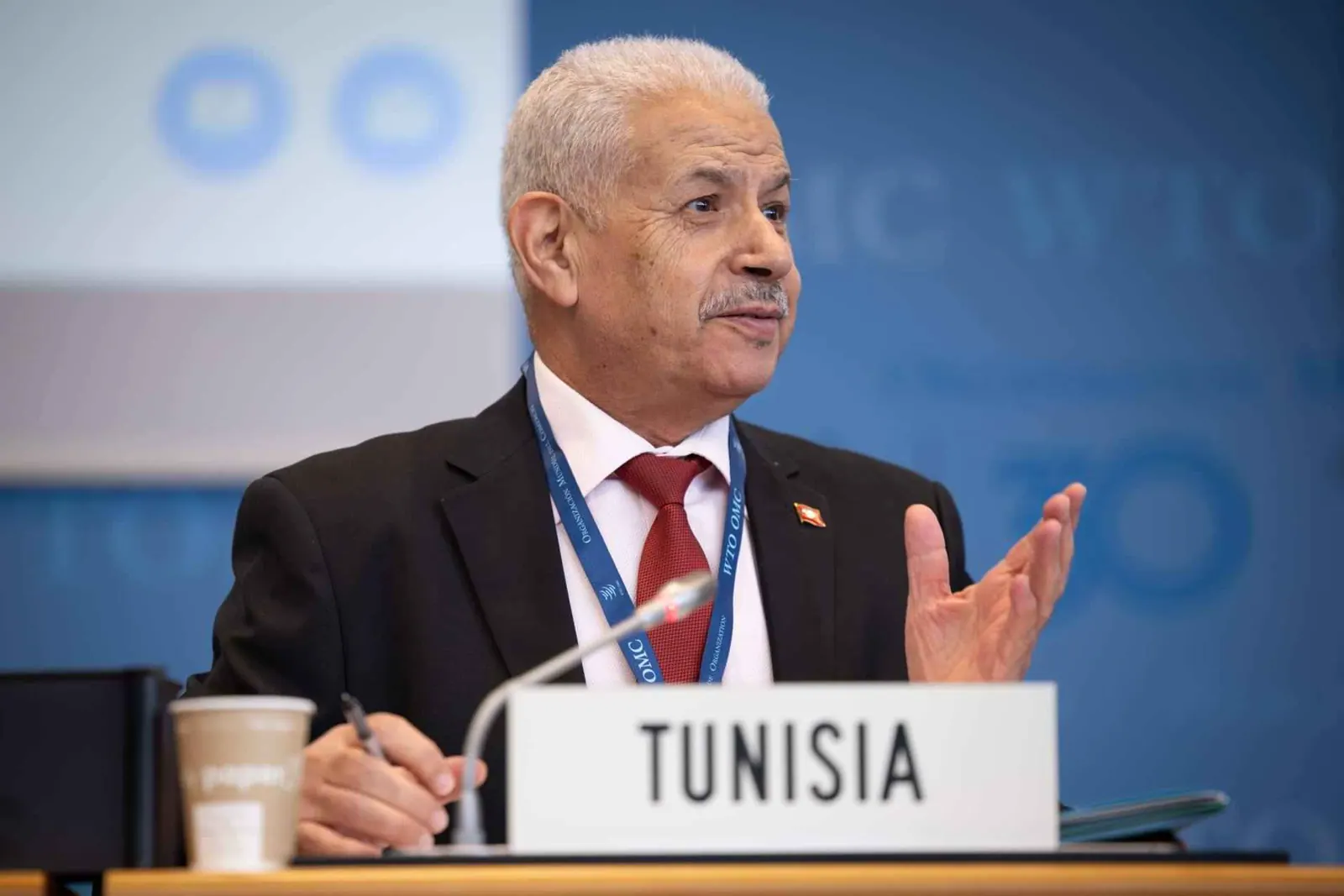
Tunisia has successfully conducted over 400 commercial transactions, including exports and imports, under the African Continental Free Trade Area (AfCFTA) agreement. This milestone was announced by Samir Abid, Minister of Trade and Export Development, at the launch of the Support Program for Small and Medium-sized Enterprises – "North Africa Cohort". The AfCFTA agreement came into effect over two years ago, and Tunisia has been actively participating in its implementation.
The Minister highlighted that Tunisia issued its first certificate of origin under the AfCFTA agreement in May 2023, after fulfilling the necessary conditions and procedures. This certificate is a crucial document that allows Tunisian businesses to export goods to other countries within the AfCFTA region with reduced tariffs. The Minister emphasized the country's commitment to expanding the use of AfCFTA mechanisms to boost trade and economic flows.
The private sector is expected to play a vital role in the implementation of the AfCFTA agreement, as it stands to be the primary beneficiary of the agreement. Minister Abid stressed the importance of the private sector's involvement in seizing the opportunities offered by the continental free trade area and transforming them into concrete projects, exchanges, and partnerships. The government aims to work closely with the private sector to ensure the successful implementation of the agreement.
Tunisia is working to apply the AfCFTA mechanisms with certain states that have not yet ratified the convention, in an effort to encourage them to join the system and accelerate its implementation. The Minister emphasized that the success of the AfCFTA agreement depends on the ability of the private sector to capitalize on the opportunities presented by the continental free trade area.
The government has been working to involve representatives from the private sector in the national commission responsible for monitoring negotiations and implementing the continental agreement. This participatory approach aims to take into account the priorities of the private sector and define Tunisia's positions on various issues, including rules of origin.
Minister Abid highlighted the shared responsibility of all stakeholders to expand the use of AfCFTA instruments and transform them into a broader commercial and economic movement. He emphasized that the agreement offers a unique opportunity for Tunisia to increase its trade and economic cooperation with other African countries.
The implementation of the AfCFTA agreement is expected to have a positive impact on Tunisia's economy, particularly on small and medium-sized enterprises. The government is committed to providing support to these enterprises to help them take advantage of the opportunities presented by the continental free trade area.
Key points
- Tunisia has conducted over 400 commercial transactions under the AfCFTA agreement.
- The private sector is expected to play a vital role in the implementation of the AfCFTA agreement.
- Tunisia is working to apply AfCFTA mechanisms with states that have not yet ratified the convention.