The Tunisian Ministry of State Properties and Land Affairs has made significant progress in its inventory and evaluation of international properties. As of September 2026, the ministry has successfully cataloged 11,271 properties, including administrative buildings, administrative residences, vacant lands, and agricultural lands. This initiative is part of a larger project to inventory and evaluate the state's tangible fixed assets, according to Najoua Ben Khemila, a representative of the ministry.
The inventory project, which began in 2023, is being implemented in accordance with the fundamental law number 15 of 2019. The law relies on field surveys and real estate research to identify state-owned properties. The ministry's central and regional structures are utilizing the collected data to update state property records, ensuring accuracy and consistency between records and reality. This effort will enable the ministry to maintain up-to-date records reflecting the actual state of properties.
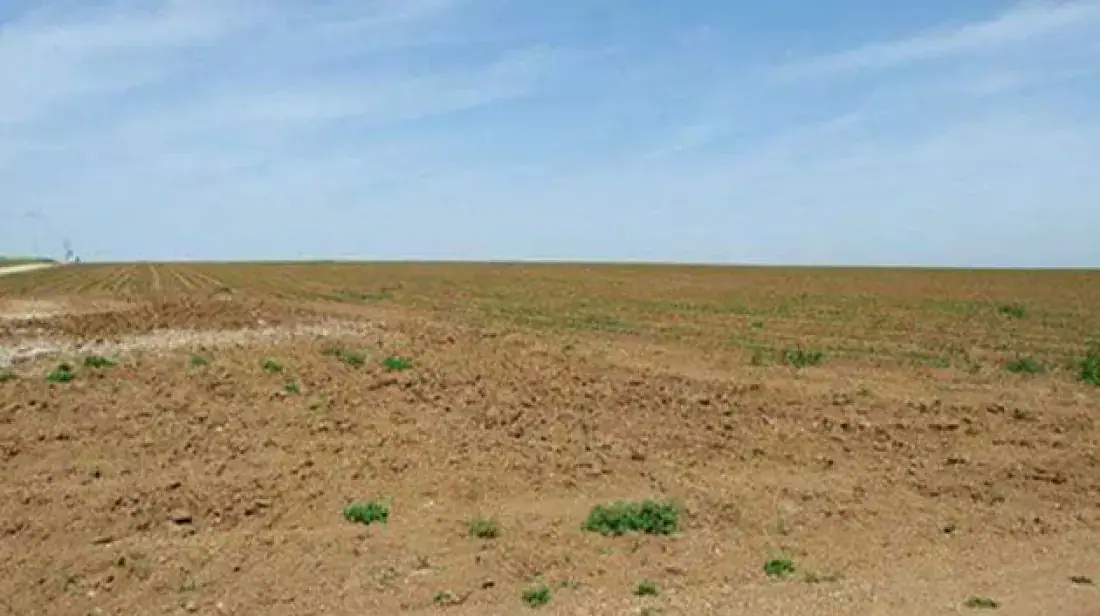
The inventory of international agricultural lands has revealed a total area of 295,000 hectares. This development is expected to contribute to the re-employment and economic and social valuation of these properties. The ministry is prioritizing the digitization of international properties, working in coordination with relevant authorities, including the National Land Registry, the National Remote Sensing Center, and the Land Survey and Real Estate Mapping Office.
A key objective of the ministry is to establish a national real estate portal, which will be regularly updated and linked to state property management systems and electronic records. The ministry aims to create a geographic information system to enhance coordination and study investor requests more efficiently. By doing so, the ministry hopes to promote transparency and accountability in state property management.
The ministry is focusing on digitizing state property records, leveraging the outcomes of the inventory and evaluation project. Priority has been given to digitizing international agricultural properties, which will provide stakeholders with transparent information on property locations, components, and management formulas. The ministry is working closely with the Ministry of Agriculture, Water Resources, and Maritime Fisheries to ensure the optimal utilization of international agricultural properties.
The Tunisian government is committed to protecting and efficiently utilizing international properties, particularly agricultural lands, to support the country's economic and social development. The inventory project is a crucial step towards achieving this goal, and the ministry is working diligently to complete the process. By prioritizing transparency and accountability, the government aims to promote sustainable development and attract investment.
The successful implementation of the inventory project will have a positive impact on Tunisia's economic and social development. The project will provide valuable insights into the country's state-owned properties, enabling policymakers to make informed decisions about their utilization. Furthermore, the digitization of property records will enhance transparency and accountability, reducing the risk of corruption and promoting good governance.
Key points
- The Tunisian Ministry of State Properties and Land Affairs has inventoried 11,271 international properties since 2023.
- The inventory project aims to promote transparency and accountability in state property management.
- The digitization of international agricultural properties will provide stakeholders with transparent information on property locations and management formulas.
Reporting sources
- Jawhara FM · Jawhara FM