The World Food Programme (WFP) has announced that it requires $7.2 million to provide full rations for 35,000 refugees in Malawi through April 2027. This funding is necessary to support the most vulnerable refugees in Dzaleka, who will receive monthly cash assistance valued at $8 per person, covering 50 percent of their food needs. Since 2022, WFP has helped refugees with up to 75 percent of their food needs, but this level of support can no longer be sustained.
WFP representative and country director for Malawi Hyoung-Joon Lim stated that a decline in funding has led to reduced rations to reach as many people as possible. However, the organization has now reached a critical point where it is being forced to cut people off food assistance altogether, including families with little or no means of earning a living. Lim emphasized that these individuals have already fled conflict and persecution in search of safety and should not face hunger.
The funding shortfall has prompted WFP to begin prioritizing food assistance for the most vulnerable refugees in Malawi from this month. The $7.2 million required to restore rations for the 35,000 refugees is seen as a critical first step towards reaching everyone again. United Nations High Commissioner for Refugees (UNHCR) multi-country representative for Malawi, Zambia, and Zimbabwe Helen Mebrahtu expressed concern about the impact of funding shortfalls on refugees and asylum seekers.
Mebrahtu stated that UNHCR remains concerned about the humanitarian and protection needs of refugees, which have not diminished despite the decrease in resources. The organization will continue working closely with the government, WFP, and other partners to monitor the impact of this transition and respond to emerging protection risks. UNHCR will also advocate for greater support and stronger opportunities for refugees to become self-reliant and socio-economically included.
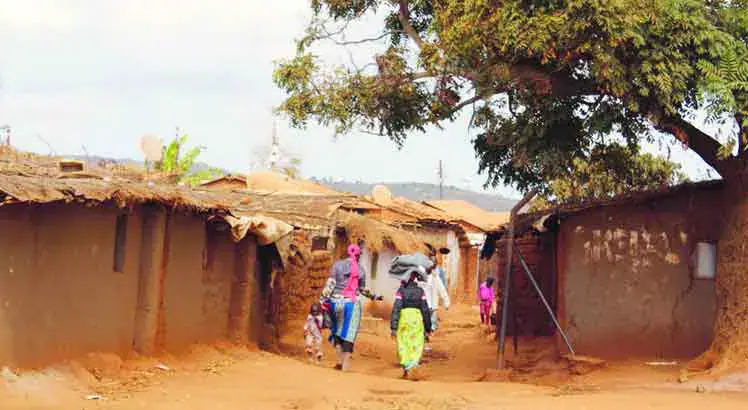
The Dzaleka Refugee Camp, established in 1994, is home to approximately 65,000 refugees and asylum seekers, far exceeding its original capacity of 10,000 to 12,000 people. Many residents rely entirely on humanitarian assistance, and the combined funding shortfalls threaten not only food security but also health, education, and protection services for the camp's most vulnerable residents.
Ministry of Homeland Security commissioner for refugees General Ignacio Maulana (retired) emphasized that Malawi remains committed to providing protection and refuge to people who have fled conflict and persecution. The government is working closely with UNHCR, WFP, and other partners to manage the situation responsibly and ensure that protection, dignity, and humanitarian principles remain at the center of the response.
In February, UNHCR announced a 90 percent cut in funding towards refugee operations in Malawi due to United States Government aid cuts. The organization's current budget is pegged at $1 million, down from $8 million last year. The Malawi Human Rights Commission has warned that the Dzaleka Refugee Camp is facing a humanitarian crisis, which has led to insecurity and lawlessness.
Key points
- The WFP requires $7.2 million to provide full rations for 35,000 refugees in Malawi through April 2027.
- The funding shortfall has prompted WFP to prioritize food assistance for the most vulnerable refugees in Malawi.
- The Dzaleka Refugee Camp is home to approximately 65,000 refugees and asylum seekers, far exceeding its original capacity.
Reporting sources
- WFP needs $7.2m for refugee food rations · The Nation