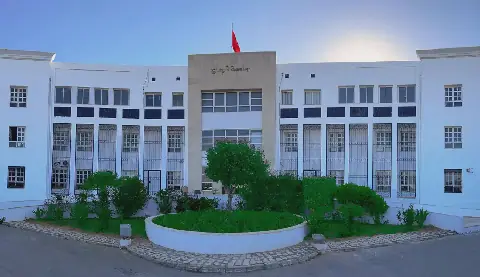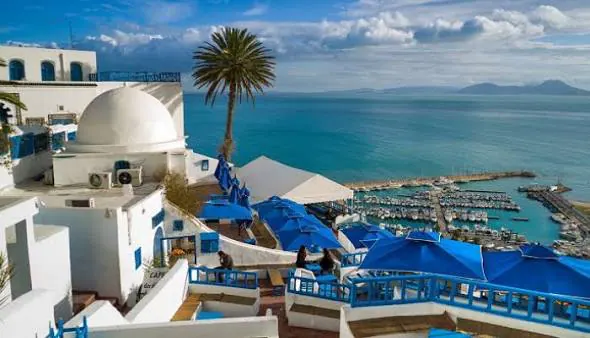
The celebration, held on September 25, 2026, at the Dar El Bey Palace in Sidi Bou Said, was attended by Minister of Cultural Affairs Amine El Sarrafi, Director General of the National Heritage Institute Tarek El Bekouch, and several ambassadors. The event marked the official recognition of Sidi Bou Said as a UNESCO World Heritage Site, following the receipt of the official certificate by Tunisia's Permanent Representative to UNESCO, Zied Khaled, in Paris on September 24, 2026.
Minister El Sarrafi highlighted that the inclusion of Sidi Bou Said on the UNESCO World Heritage List is a testament to the country's rich cultural heritage and the efforts of the National Heritage Institute and other stakeholders. This achievement follows the inclusion of the geological park "Al Dhahir" on UNESCO's list of global geoparks in April 2026. El Sarrafi emphasized that the selection of Sidi Bou Said for the celebration is due to its cultural and historical significance.
The Minister noted that the recognition of Sidi Bou Said is not only an achievement but also a renewed step towards a comprehensive national approach to preserving cultural heritage. The Ministry is preparing files for other elements of Tunisia's heritage to be inscribed on the UNESCO World Heritage List, including the oud, traditional textiles, and other intangible cultural heritage elements.
During the celebration, El Sarrafi honored the scientific and technical team that contributed to the preparation of the Sidi Bou Said file, titled "Sidi Bou Said: A Center of Cultural and Spiritual Inspiration in the Mediterranean." The team worked tirelessly to showcase the village's unique history, architecture, and spiritual significance.
Tarek El Bekouch, Director General of the National Heritage Institute, emphasized that Sidi Bou Said's history, architecture, and spiritual significance make it a unique cultural site. The village's buildings, alleys, and houses blend seamlessly with its natural surroundings, creating a distinctive and exceptional cultural landscape.
With the inclusion of Sidi Bou Said, Tunisia now has 10 cultural and natural sites inscribed on the UNESCO World Heritage List, bringing the total number of Tunisian elements on the list to 24, including archaeological sites and intangible cultural heritage elements. The country is committed to preserving its rich cultural heritage and promoting its cultural diversity.
Key points
- Sidi Bou Said's inclusion on UNESCO's World Heritage List recognizes its cultural and spiritual significance as a center of inspiration in the Mediterranean.
- The Tunisian Ministry of Cultural Affairs is preparing files for other elements of the country's heritage to be inscribed on the UNESCO World Heritage List.
- The celebration marked the second achievement for Tunisia in 2026, following the inclusion of the geological park "Al Dhahir" on UNESCO's list of global geoparks.