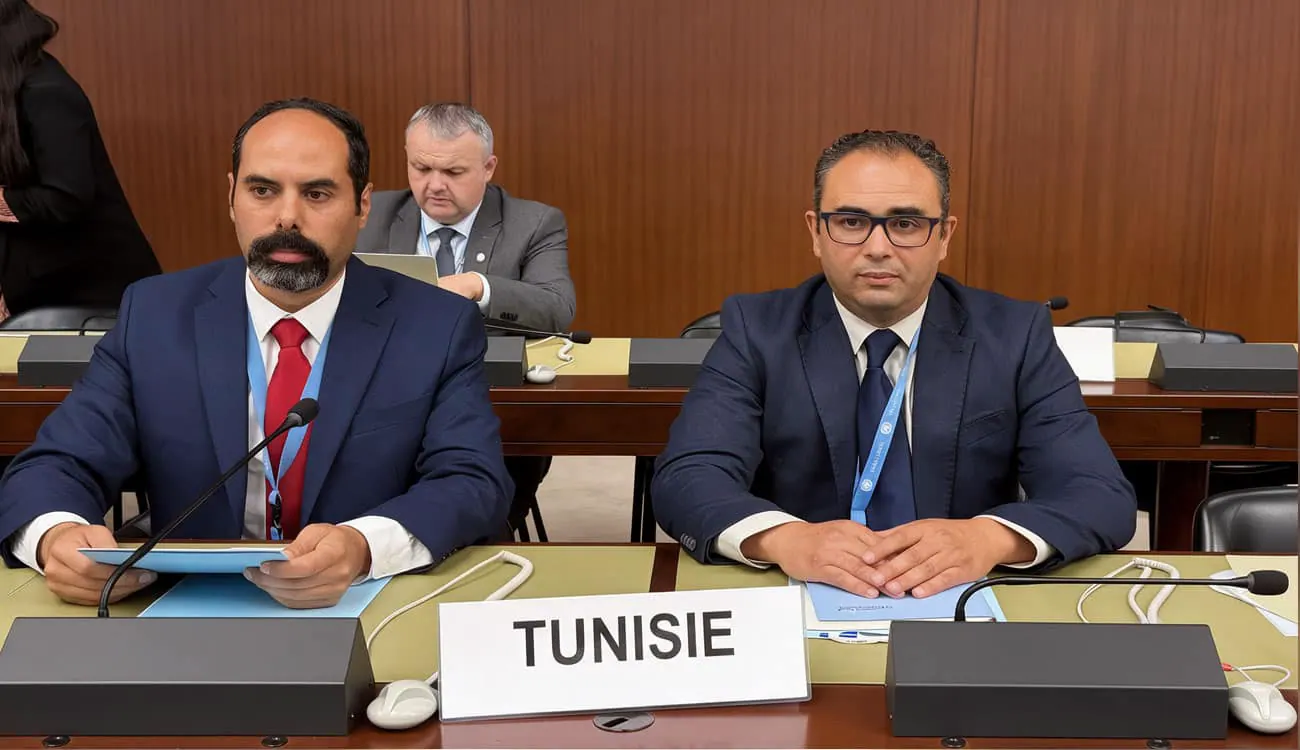
Tunisia's permanent mission to the United Nations in Geneva has reaffirmed its demand for the restitution of assets looted and illegally exfiltrated abroad. During the 73rd session of the UN Conference on Trade and Development, the Tunisian delegation called on the international community to demonstrate a genuine political will to simplify procedures for recovering these funds. The goal is to return these assets to their country of origin to finance crucial development projects.
According to Ramzi Louati, chargé d'affaires ad interim of the Tunisian mission, Tunisia is increasing pressure on countries hosting these illicit capitals. Tunis is urging these nations to stop using legal, judicial, and administrative pretexts to block restitutions. This attitude is deemed intolerable as it directly undermines a fundamental sovereign right. The Tunisian delegation emphasized that the current international financial system is inequitable.
The Tunisian mission's statements were reported by the Tunisian news agency TAP. The delegation intervened during the UN Conference on Trade and Development, highlighting the need for a global overhaul of the financial system. Tunis believes that the current architecture perpetuates inequality and hampers development in countries facing debt crises.
Beyond the issue of illicit assets, Tunisia is advocating for a comprehensive reform of the international financial system. The country argues that the current system is unfair and perpetuates inequality. Tunis is calling for deep structural reforms to address the debt crisis that is suffocating developing economies.
In line with its advocacy, the Tunisian delegation reiterated its strong support for the adoption of an international pact on the right to development. This pact would be a legally binding agreement aimed at promoting development and solidarity among nations. The delegation also stressed the need for increased public development aid and accelerated technology transfer to countries in the South.
The issue of asset restitution is critical for Tunisia, as these funds could finance vital development projects. The country's populations are struggling with poverty and debt, and the recovery of these assets could significantly alleviate their burden. Tunis is determined to pursue its efforts to secure the return of its illicitly exfiltrated assets.
The international community's response to Tunisia's appeals remains to be seen. The country's advocacy for a fairer international financial system and the restitution of its assets reflects its commitment to promoting development and equity. As the global community grapples with issues of debt, poverty, and inequality, Tunisia's stance underscores the need for collective action to address these pressing concerns.
Key points
- Tunisia urges countries hosting illicit capitals to cease using legal pretexts to block asset restitutions.
- The country advocates for deep structural reforms to address the debt crisis in developing economies.
- Tunis supports the adoption of an international pact on the right to development.