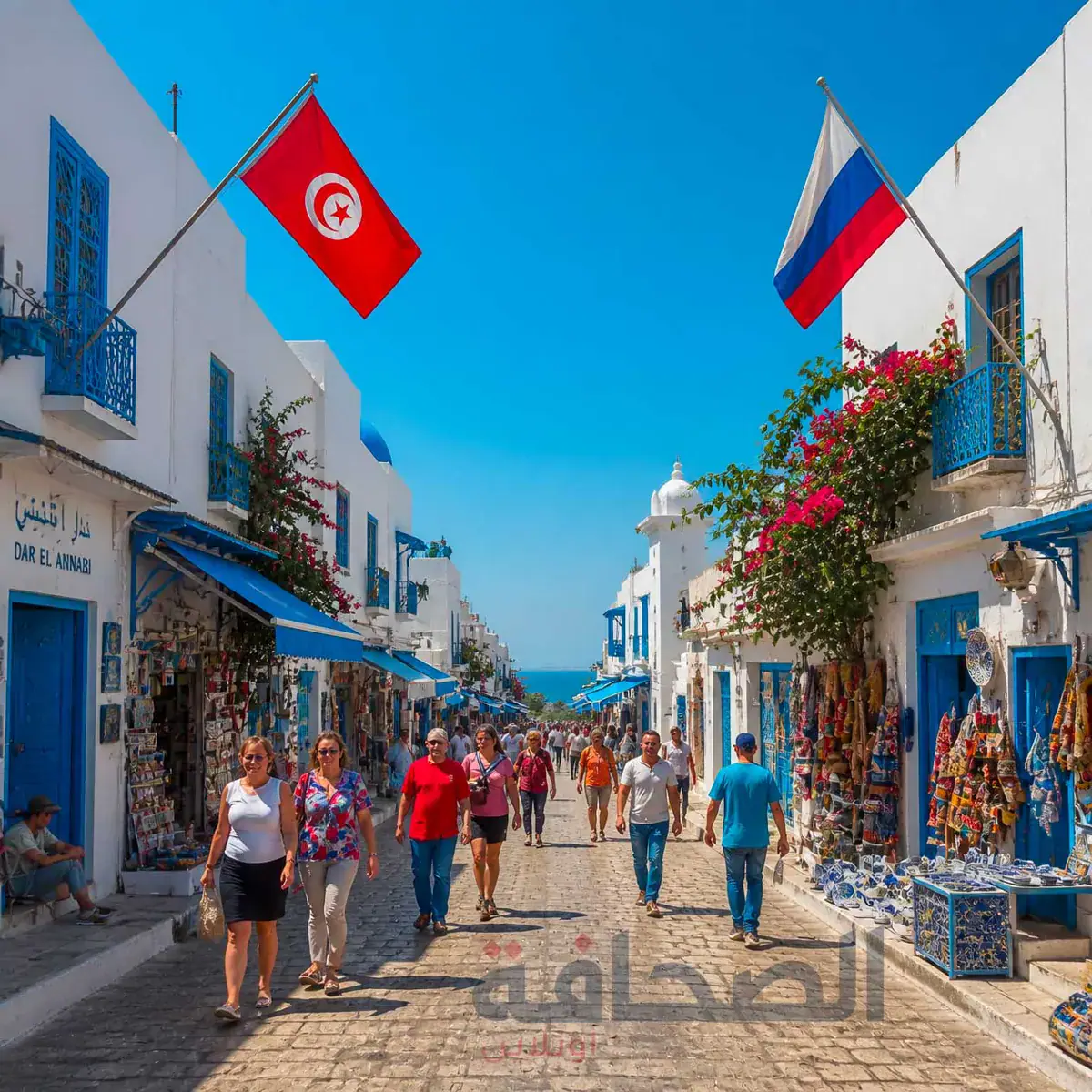
Tunisia is working to strengthen its economic presence in the Russian market, with a focus on exporting goods and attracting tourists. The country sees significant potential for growth, particularly in the areas of olive oil, footwear, and medical equipment. According to Amira Jouadi, director of the Export Promotion Office in Moscow, Tunisia's untapped export opportunities in Russia are estimated to be around $27 million.
The trade exchange between Tunisia and Russia has shown a 14% growth during the first nine months of 2026, reaching approximately $32.5 million. The food industry accounts for 70% of Tunisia's exports to Russia, with olive oil, dates, and tomato paste being among the top products. To capitalize on these opportunities, Tunisian institutions are intensifying their promotional efforts, including participating in joint exhibitions and business meetings with Russian counterparts.
To overcome challenges such as the lack of direct shipping lines and financial restrictions on Russia, Tunisian exporters are developing alternative mechanisms to maintain trade exchanges. In the tourism sector, Tunisia is working to revive its Russian market, which is considered strategic for the country's tourism industry. The Tunisian tourism product is diverse, offering cultural heritage, local cuisine, desert tourism, and eco-tourism.
The Russian tourist tends to stay for extended periods, with an average of over 10 nights, and prefers three- and four-star hotels, as well as exploratory trips. To cater to these preferences, Tunisian tourism institutions are adapting their services, providing qualified staff and Russian-speaking tourist guides. After reaching a record 600,000 Russian tourists in 2019, the market slowed down following the Russian-Ukrainian crisis but has shown a gradual recovery.
In 2025, Tunisia welcomed 35,000 Russian tourists, thanks to direct flights operated by "Air Libye" with six flights per week. As of October 20, 2026, the number of Russian tourists visiting Tunisia has reached 51,000, driven by the entry of "Pyramidz Airlines" and the resumption of direct flights from Belarus and Armenia. The availability of direct flights without stops is a key factor in Russian tourists' choice of destination.
To achieve the goal of attracting 600,000 Russian tourists, Tunisia needs to enhance its air transport capacity. Proposed measures include allocating seat quotas to tour operators on the national carrier and establishing a regular air line connecting the Russian market to Tunis Carthage Airport with two flights per week. These initiatives, along with increased participation in international events, are expected to support Tunisia's tourism industry.
The growth of trade and tourism between Tunisia and Russia is expected to contribute to the country's economic development. With a focus on diversifying its exports and attracting more tourists, Tunisia is working to strengthen its economic ties with Russia. The country's participation in the Russia-Africa Summit and economic forums aims to promote its economic interests and explore new opportunities for cooperation.
Key points
- Tunisia aims to boost exports to Russia, exploring $27 million in untapped opportunities.
- The country targets 600,000 Russian tourists, with a focus on direct flights and tailored tourism services.
- Tunisia's trade exchange with Russia has grown by 14% in the first nine months of 2026.