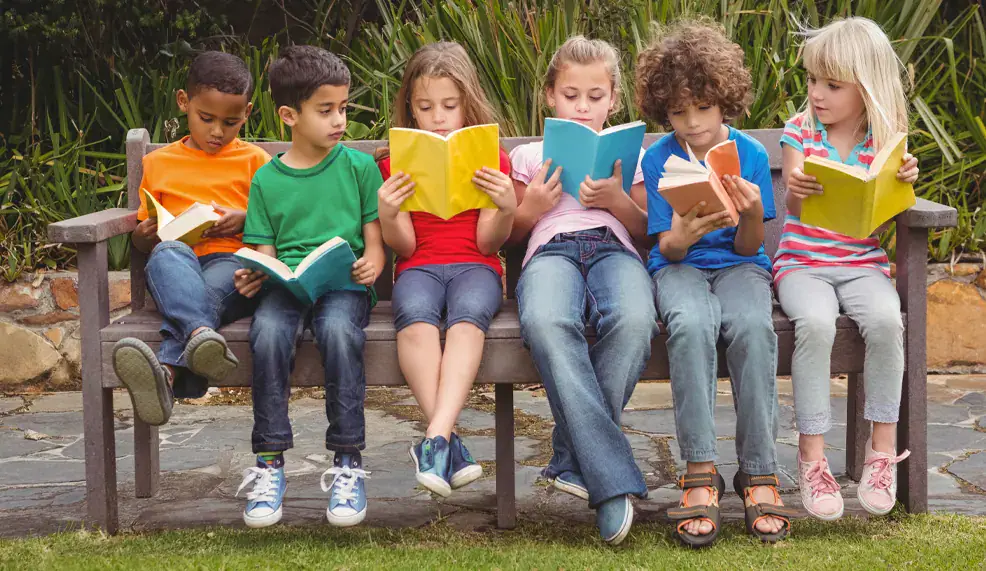
A recent symposium held in Tunisia highlighted the significance of children's literature and reading in shaping the minds of young people. The event, which took place on October 24, 2026, was part of the fifth edition of the National Tunisian Book Fair. Experts in the field emphasized that despite the rise of technology and visual media, reading remains a crucial activity for building meaning and understanding. According to Shafik Jendoubi, a specialist in children's literature, "reading is a cognitive act that builds meaning, and language and reading are the greatest cultural achievements of humanity."
The symposium featured several presentations and discussions on the topic of children's literature, including the role of artificial intelligence in promoting reading and creativity among young people. Dalal Ghربي, a professor of Arabic language and literary critic, discussed the potential of using AI to stimulate children's creativity and encourage them to engage with reading. She noted that AI can be used to create interactive stories and allow children to participate in the creative process, making reading a more engaging and dynamic experience.
Another presenter, Jamila Sharif, a writer and expert in children's literature, emphasized the importance of peer-to-peer learning and encouraging children to write for themselves and their peers. She cited her own experience working with children in a writing workshop, where they were able to produce high-quality writing that was later published and recognized internationally. Sharif argued that children should be given the opportunity to express themselves through writing and that this can help to build their confidence and creativity.
Shafik Jendoubi, a writer and poet who specializes in children's literature, discussed the importance of ensuring that children's literature aligns with the values of society. He noted that writers must be mindful of the messages they convey to children and ensure that they promote positive values such as respect for others, tolerance, and a sense of national identity. Jendoubi emphasized that children's literature should be guided by a set of principles that prioritize the well-being and development of the child.
The symposium also touched on the topic of the "technological child," or the child who is growing up in a world increasingly dominated by technology. Experts noted that this presents both opportunities and challenges for children's literature, as it requires writers and educators to adapt to new technologies and find innovative ways to engage young people with reading. However, they also emphasized that technology should not replace traditional forms of reading and writing, but rather complement them.
The event concluded with a discussion of the importance of collaboration between writers, educators, and parents in promoting children's literature and reading. Experts emphasized that a concerted effort is needed to encourage children to engage with reading and to provide them with access to high-quality literature that promotes their cognitive, emotional, and social development. By working together, they argued, it is possible to create a culture of reading and writing that benefits children and society as a whole.
The National Tunisian Book Fair, which ran from October 23 to November 1, 2026, featured a range of events and activities promoting children's literature and reading. The fair provided a platform for writers, educators, and experts to share their ideas and experiences, and to engage with children and young people in promoting a love of reading. By highlighting the importance of children's literature and reading, the event aimed to inspire a new generation of readers and writers in Tunisia.
Key points
- The symposium emphasized the importance of children's literature and reading in promoting cultural and intellectual development.
- Experts discussed the potential of using artificial intelligence to stimulate children's creativity and encourage them to engage with reading.
- The event highlighted the need for collaboration between writers, educators, and parents in promoting children's literature and reading.