A Tunisian delegation comprising experts from various fields and representatives of national structures and young negotiators is taking part in the 30th Conference of Parties to the UN Framework Convention on Climate Change. The conference is set to kick off on November 9 and run until November 20 at the Antalya Expo Center in Turkey. This year's summit is themed "From Pledges to Implementation" and co-chaired by Turkey and Australia.
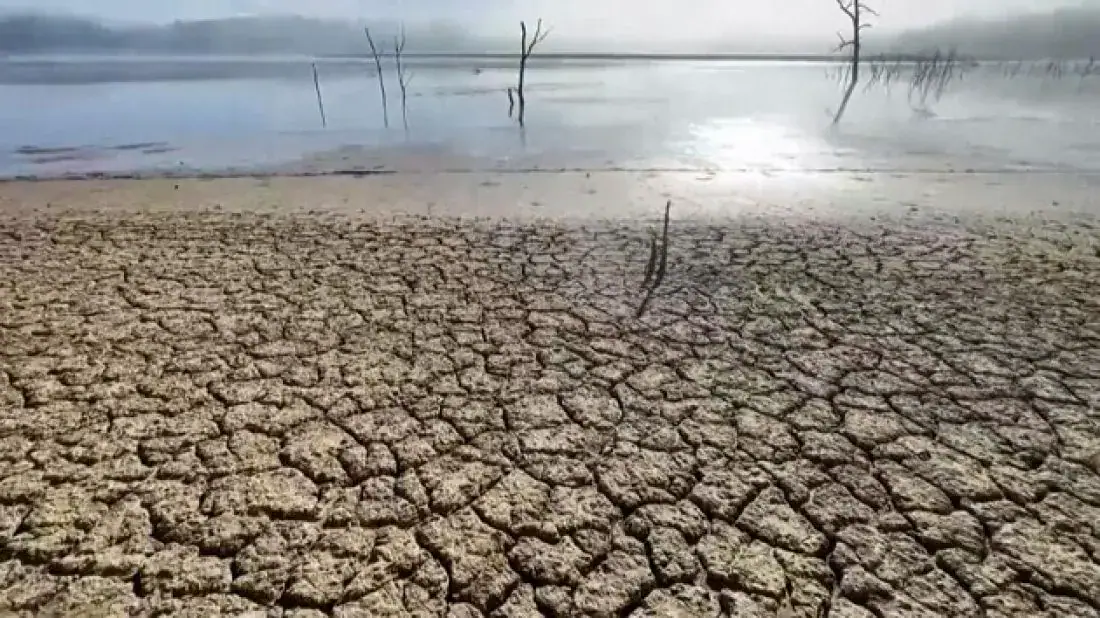
Tunisia is classified as one of the countries most exposed to climate change risks, particularly drought, water stress, and rising sea levels, according to World Bank reports. The outcomes of the Antalya summit hold direct significance for Tunisia, given the substantial investments required to address these challenges. The country's estimated investment needs for adapting to climate change and reducing greenhouse gas emissions stand at around $55 billion, equivalent to approximately 166 billion dinars, from 2026 to 2035.
The adaptation measures are expected to account for around 53% of these needs, roughly $29 billion, primarily directed towards the water and agriculture sectors. Meanwhile, investments required to support the energy transition and reduce emissions are estimated at around $25 billion. Tunisia is counting on international financing to cover the bulk of these needs, with international contributions and financing expected to provide around 74% of the total.
Enhancing access to concessional climate financing, particularly for water security, agriculture, and coastal risk mitigation projects, is a key concern for Tunisia in the Antalya negotiations. The summit presents an opportunity for Tunisia to defend its climate priorities, highlight its financing needs, and explore new partnerships to support project implementation.
Tunisia's participation in the negotiations is taking place within the African Group, the Arab Group, and the Group of 77 and China. The primary goal is to transition from the commitments outlined in the Nationally Determined Contribution to actual investments and implementable projects, yielding tangible results for the economy, productive sectors, and citizens' living conditions.
The National Coordination Unit for Climate Change, under the Ministry of Environment, organized a preparatory technical workshop from November 2 to 4, with around 60 experts and national representatives in attendance. The workshop aimed to enhance the negotiating capacities of the Tunisian delegation, coordinate their participation, and define negotiation priorities.
The Tunisian delegation will engage in discussions on various topics, including climate financing, adaptation, just transition, loss and damage, carbon markets, gender, and emission reduction. The Turkish-Australian presidency is focusing on translating international commitments into actual financing, public policies, and implementable investments, rather than solely pursuing new agreements.
Key points
- Tunisia requires around $55 billion in investments to adapt to climate change and reduce greenhouse gas emissions from 2026 to 2035.
Reporting sources
- Jawhara FM · Jawhara FM