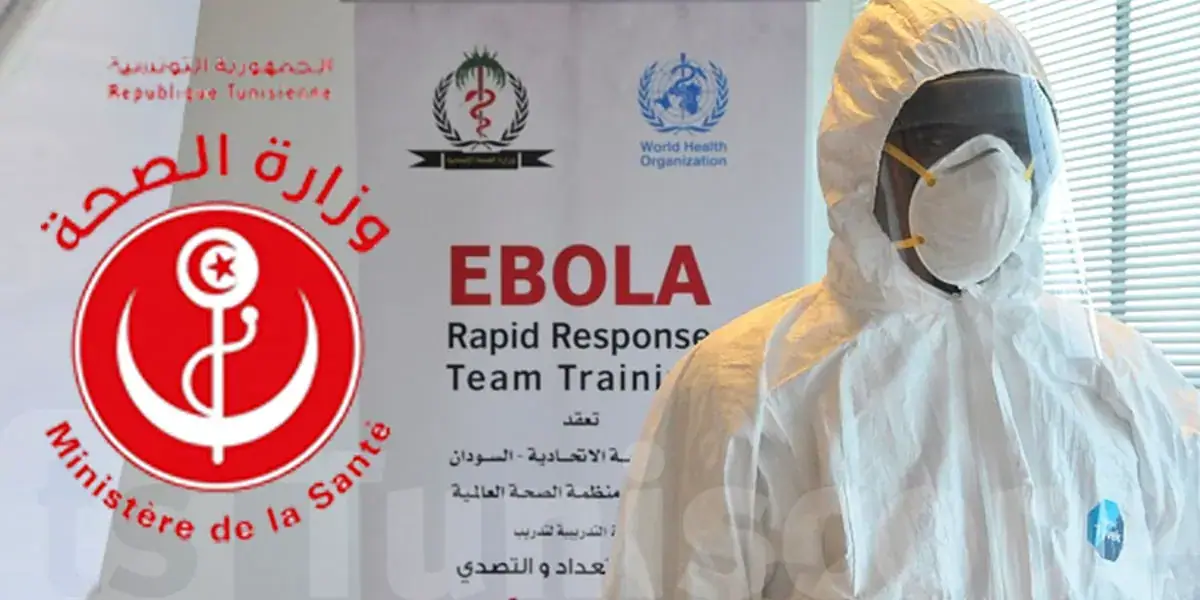
As the Ebola outbreak linked to the Bundibugyo virus continues to spread in the Democratic Republic of Congo (DRC) and cases have been reported in Kenya and Nigeria, Tunisia has affirmed its preparedness to handle potential health emergencies. The country's healthcare system has been bolstered to monitor and manage potential outbreaks. This assurance was given by Health Minister Mustapha Ferjani during a virtual ministerial meeting organized by the African Centers for Disease Control and Prevention (Africa CDC) on October 28, 2026.
The virtual meeting was convened to discuss the evolving epidemic and strengthen health cooperation among African countries. The discussions focused on three priorities: enhancing epidemiological surveillance and early warning mechanisms, reinforcing prevention measures to limit the cross-border spread of the infection, and accelerating the health response through better coordination between states. According to the Tunisian Health Ministry's communiqué, Ferjani confirmed the country's preparedness to ensure surveillance and respond to health emergencies.
Tunisia has reiterated its commitment to African cooperation to protect populations and curb the spread of the epidemic. The country's health authorities had activated their vigilance and prevention protocol against the Ebola virus in May following the international alert triggered by the World Health Organization (WHO). Although no cases have been recorded in Tunisia, health officials have ensured that control and surveillance systems have been strengthened, particularly at borders and in the detection of suspected cases.
The Tunisian authorities have implemented specific procedures, including checks on travelers from affected areas, rapid identification of suspicious symptoms, such as fever, and immediate isolation of high-risk cases. The situation remains concerning in the DRC, where the transmission of the Bundibugyo virus continues. According to the WHO's update as of October 20, the country had recorded 9,704 confirmed cases and 4,687 deaths in eight provinces.
The European Center for Disease Prevention and Control (ECDC) has also reported cases in Kenya and Nigeria linked to travel from affected areas. In Kenya, nine cases had been reported as of October 22, including one death, according to the ECDC's update. In Nigeria, a case was confirmed on October 20 in a person who had traveled from Uganda. Health authorities were conducting investigations and contact tracing.
The WHO and Africa CDC have been working closely with affected countries to contain the outbreak. The international community has been urged to provide support to combat the epidemic. The situation is being closely monitored, and countries are advised to remain vigilant and strengthen their preparedness and response measures.
The Bundibugyo virus strain is distinct from the Ebola virus strain that caused the 2014-2016 outbreak in West Africa. The current outbreak requires continued vigilance and cooperation among countries to prevent further spread. Tunisia's affirmation of its preparedness to handle potential health emergencies is a positive step in the region's response to the outbreak.
Key points
- Tunisia's healthcare system is prepared to monitor and manage potential health emergencies, including Ebola.
- The Ebola outbreak linked to the Bundibugyo virus continues to spread in the Democratic Republic of Congo, Kenya, and Nigeria.
- The African Centers for Disease Control and Prevention (Africa CDC) is working closely with affected countries to contain the outbreak.