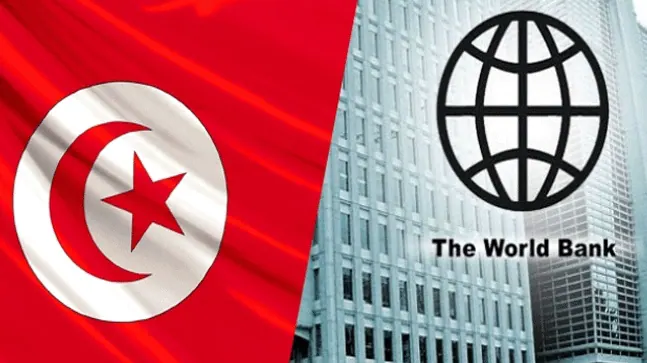
Tunisia and the World Bank are embarking on a new phase of cooperation to support Tunisia's healthcare sector, with a focus on enhancing health security, expanding digitalization, and improving public services. This cooperation is part of a broader effort to strengthen the healthcare system's ability to respond to crises and improve the quality of services. According to a report titled "From Crisis to Transformation: Tunisia's Journey with the World Bank Towards a Stronger Health System," the partnership will support Tunisia's efforts to develop a more robust and resilient healthcare system.
The World Bank and Tunisia have designed a new healthcare project worth $125 million, which will be financed by the World Bank and the Pandemic Fund, established in 2022 to help countries prevent, detect, and respond to health emergencies. The project includes upgrading over 50 public health laboratories, developing a public health emergency operations center, and expanding the national disease surveillance system. These efforts aim to enhance Tunisia's ability to detect and respond to health risks in a timely manner.
Digitalization is a key component of the cooperation between Tunisia and the World Bank. Tunisia has started to implement a national human resources information system to provide more accurate data on the distribution of healthcare professionals and needs. Additionally, a new information system is being developed to manage medical equipment and improve procurement and supply chain processes. The integration of modern technologies in public hospitals is also underway, including the use of robotic surgery and navigation systems in neurosurgery.
The cooperation between Tunisia and the World Bank also focuses on developing a national strategy for a "One Health" approach, which connects human, animal, and environmental health. Tunisia is set to host a regional center for this approach, which will expand the scope of work in health security. Furthermore, Tunisia has been selected to join the National Health Pact initiative, launched by the World Bank, which aims to support progress towards universal health coverage.
The National Health Pact initiative focuses on areas such as telemedicine, information systems, and artificial intelligence, which are seen as key tools to support the development of healthcare services and improve access to them. The pact is expected to be signed during a digital health conference in Tunisia on October 1, 2026, which will bring together several partners, including the French Development Agency and the German Development Cooperation.
This cooperation is part of the preparations for the Universal Health Coverage Summit, scheduled to take place in Tokyo in December 2026. The summit will provide an opportunity for countries to present their national pacts and reform commitments, as well as share experiences and lessons learned in achieving universal and more equitable health coverage.
The partnership between Tunisia and the World Bank reflects a shift towards transitioning from responding to health crises to building a more capable healthcare system that leverages digitalization and modern technologies. The goal is to strengthen national capacities in surveillance, response, and health coverage, ultimately leading to a more robust and resilient healthcare system.
Key points
- The World Bank and Tunisia have launched a $125 million healthcare project to support the country's efforts to develop a more robust and resilient healthcare system.
- The cooperation between Tunisia and the World Bank focuses on digitalization, health security, and universal health coverage.
- Tunisia is set to host a regional center for the "One Health" approach, which connects human, animal, and environmental health.