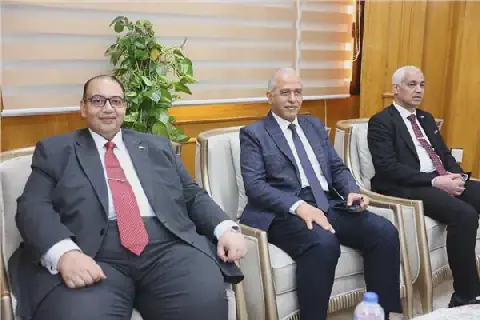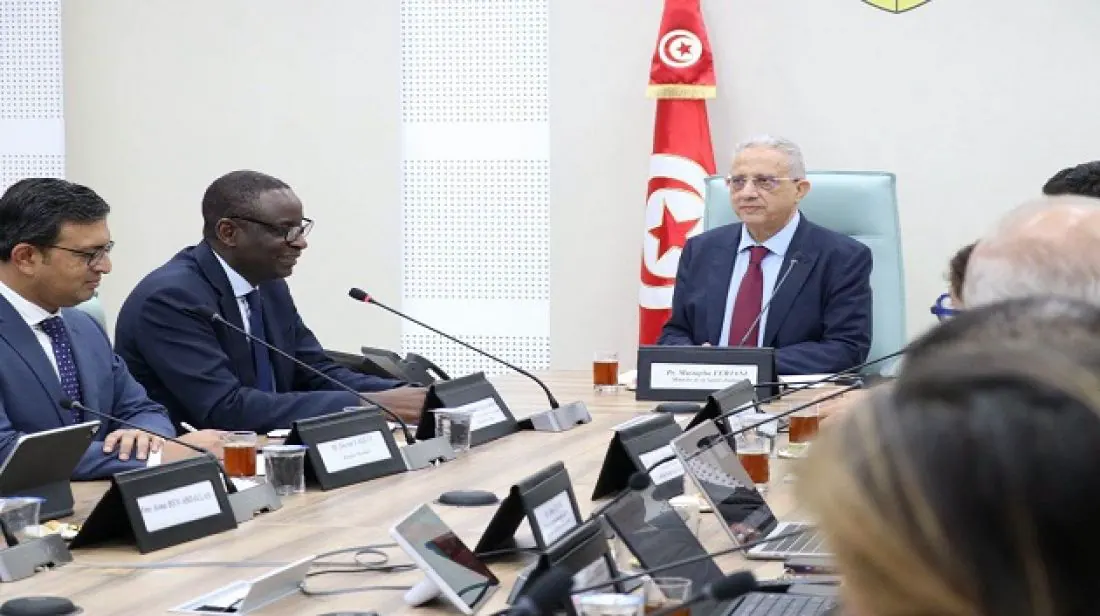
On September 25, 2026, Tunisian Health Minister, Mustafa Al-Ferjani, met with World Bank Regional Director for the Maghreb and Malta, Ahmadou Moustapha Ndiaye. The meeting aimed to enhance cooperation between Tunisia and the World Bank in the health sector. Minister Al-Ferjani emphasized the need to accelerate health projects, ensure comprehensive coverage, and promote equitable access to healthcare. He also stressed the importance of coordination and follow-up.
The two officials discussed prospects for collaboration in digital health, the "One Health" approach, pharmaceutical industries, and biotechnology. They also explored ways to support research, innovation, and start-ups, linking them to investment and African markets. Minister Al-Ferjani highlighted that the next phase requires transforming projects into tangible results, serving the path of reforming the health system and realizing President Kais Saied's vision of achieving health justice.
Ahmadou Moustapha Ndiaye, World Bank Regional Director, expressed his institution's readiness to continue supporting Tunisia's health priorities as a key partner in the next phase. The World Bank's support will focus on areas such as health service delivery, research, and innovation. This partnership aims to improve health outcomes and promote sustainable development in Tunisia.
The meeting between Minister Al-Ferjani and Director Ndiaye reflects the strong cooperation between Tunisia and the World Bank in the health sector. The World Bank has been a key partner for Tunisia, providing financial and technical support for various development projects. This partnership is expected to continue, with a focus on achieving tangible results and promoting sustainable development.
Tunisia's health sector faces several challenges, including the need to improve health service delivery, enhance research and innovation, and promote equitable access to healthcare. The partnership with the World Bank is expected to help address these challenges and promote sustainable development in the sector. The two parties will work together to identify areas of cooperation and implement joint projects.
The World Bank's support for Tunisia's health sector is part of its broader strategy to promote sustainable development and reduce poverty in the region. The Bank's partnership with Tunisia aims to improve health outcomes, promote economic growth, and enhance the quality of life for Tunisian citizens. This partnership is expected to have a positive impact on the country's development trajectory.
The agreement between Tunisia and the World Bank reflects the country's commitment to improving its health sector and promoting sustainable development. The partnership is expected to yield tangible results, enhancing the quality of healthcare services and promoting research and innovation in the sector. Key areas of cooperation will include digital health, pharmaceutical industries, and biotechnology.
Key points
- The partnership between Tunisia and the World Bank aims to improve health service delivery, promote research and innovation, and enhance equitable access to healthcare.
- The World Bank has reaffirmed its commitment to supporting Tunisia's health priorities as a key partner in the next phase.
- The partnership is expected to yield tangible results, enhancing the quality of healthcare services and promoting sustainable development in Tunisia.