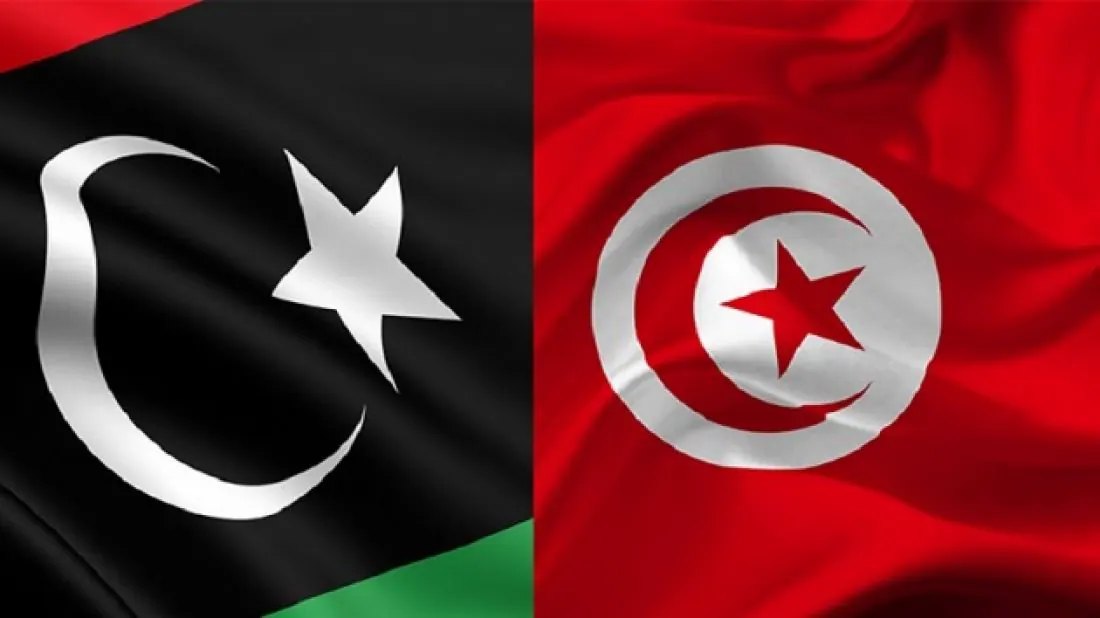
Tunisian Foreign Minister Mohamed Ali Nafti and Libyan Foreign Minister Tahir Salem Al-Baour met on Monday in New York to discuss several issues, including debts owed to Tunisian healthcare institutions. They emphasized the need for close coordination to resolve these outstanding issues. The meeting took place on the sidelines of the 81st United Nations General Assembly.
The two ministers also discussed preparations for upcoming events, including the joint high-level committee, which aims to boost bilateral cooperation and address priority issues. They highlighted the importance of overcoming obstacles hindering the flow of goods and people across their shared border. The ministers seek solutions to facilitate trade and travel between the two countries.
The meeting covered ways to further develop bilateral cooperation, increase consultation, and coordination on regional and international issues. The Libyan situation was also addressed, with Nafti reiterating Tunisia's commitment to a Libyan-led solution to the crisis. He emphasized that stability in Libya can only be achieved through a Libyan-led process that preserves the country's resources and achieves its development goals.
The Libyan side appreciated Tunisia's stance on the Libyan issue and valued it highly. Nafti leads the Tunisian delegation participating in the high-level segment of the 81st UN General Assembly, which takes place from September 22 to 29. The assembly's theme is "Restoring Trust and Managing Transition: A United Nations that Delivers Results for All".
During his stay, Nafti will deliver Tunisia's statement during the general debate of the 81st UN General Assembly. He will also chair the coordination meeting of Arab foreign ministers and participate in regional and group meetings. The two countries' cooperation has significant implications for regional stability and development.
The meeting between Nafti and Al-Baour reflects the ongoing efforts to strengthen bilateral ties and address shared challenges. Tunisia and Libya share a long border and have a history of cooperation in various fields. The two countries' relationship has the potential to impact regional dynamics.
The emphasis on coordination and cooperation between Tunisia and Libya comes at a critical time, with both countries facing significant challenges. The outcome of their discussions will likely have a significant impact on the region, particularly in terms of trade, security, and stability.
Key points
- Tunisia and Libya stress the importance of coordination to settle debts owed to Tunisian healthcare institutions.
- The two countries aim to boost bilateral cooperation and address priority issues through their joint high-level committee.
- Tunisia reiterates its commitment to a Libyan-led solution to the Libyan crisis.