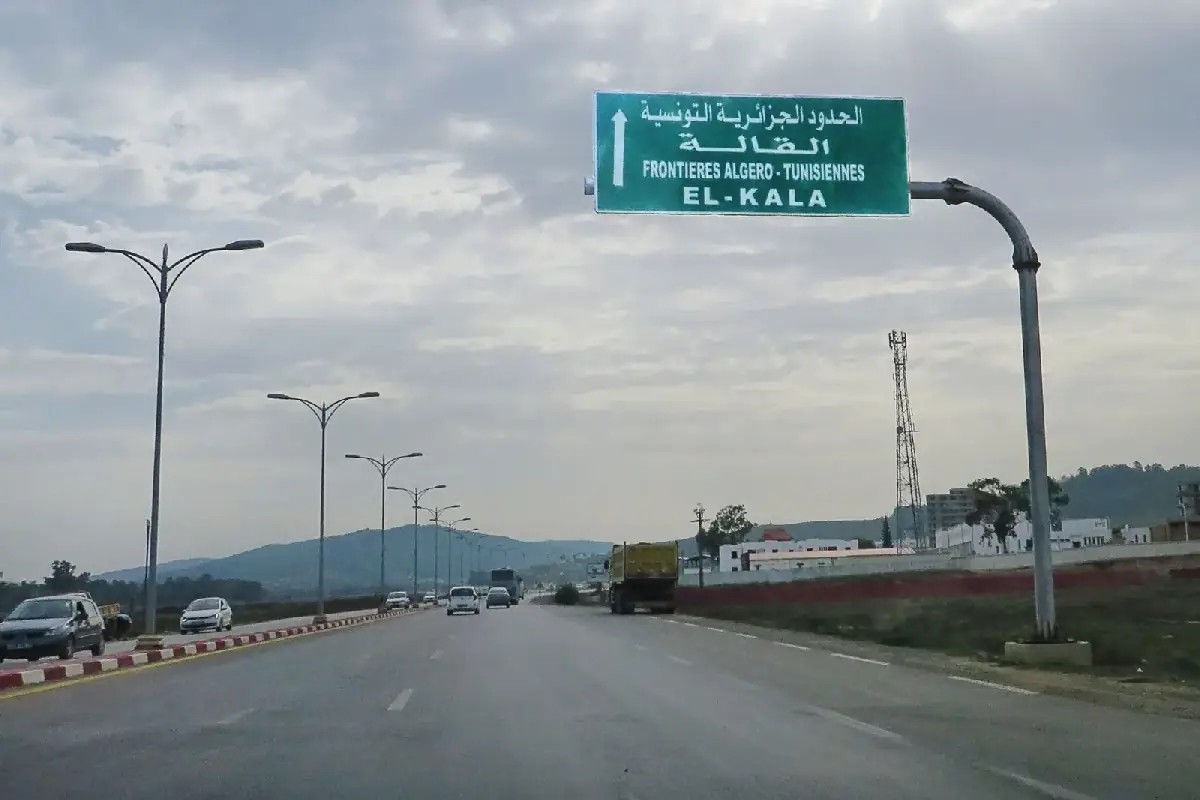
Tunisia has initiated discussions with Algeria to create a free trade zone on their common border, as announced by Tunisian Trade and Export Development Minister Samir Oubid. This move is part of a plan to support areas along the western border. The minister made the announcement during a presentation to the parliamentary committees on industry, trade, and production sectors.
The proposed free trade zone is one of several initiatives aimed at enhancing bilateral trade relations. Alongside this, Tunisia and Algeria are also negotiating four agreements: an economic partnership agreement, a mutual recognition agreement for conformity certificates, a transit agreement, and a sectoral agreement on automotive components. These agreements seek to facilitate the movement of goods and provide a clearer framework for economic operators in both countries.
While the exact location of the proposed free trade zone and a timeline for its establishment have not been specified, the initiative marks a significant step in strengthening economic ties between Tunisia and Algeria. The two countries share a border spanning over 1,000 kilometers, with several crossings that witness heavy traffic of travelers and goods.
The volume of trade between Tunisia and Algeria has seen substantial growth, increasing by approximately 166% over five years to reach nearly $2.76 billion, according to data from the Tunisian Center for the Promotion of Exports. This growth underscores the importance of Algeria as one of Tunisia's key trading partners in the region.
In addition to advancing trade with Algeria, Tunisia has also signed a preferential trade agreement with Indonesia, along with a memorandum of understanding on mutual recognition of "halal" certificates for exchanged products. This move is part of Tunisia's strategy to diversify its trade partners and open new markets.
The recognition of conformity certificates between Tunisia and Algeria, agreed upon in October 2023 and ratified by Tunisia in June 2024, further facilitates trade between the two nations. This agreement is expected to enhance the flow of goods and services across their shared border.
As Tunisia and Algeria continue their negotiations, the establishment of a free trade zone could significantly impact the economic development of border regions and contribute to the growth of bilateral trade. The outcome of these talks and the implementation of the proposed agreements will be closely watched by economic stakeholders in both countries.
Key points
- Tunisia and Algeria are in talks to establish a free trade zone on their shared border.
- The two countries are negotiating four trade agreements to update their legal framework.
- Bilateral trade between Tunisia and Algeria reached nearly $2.76 billion, up 166% over five years.