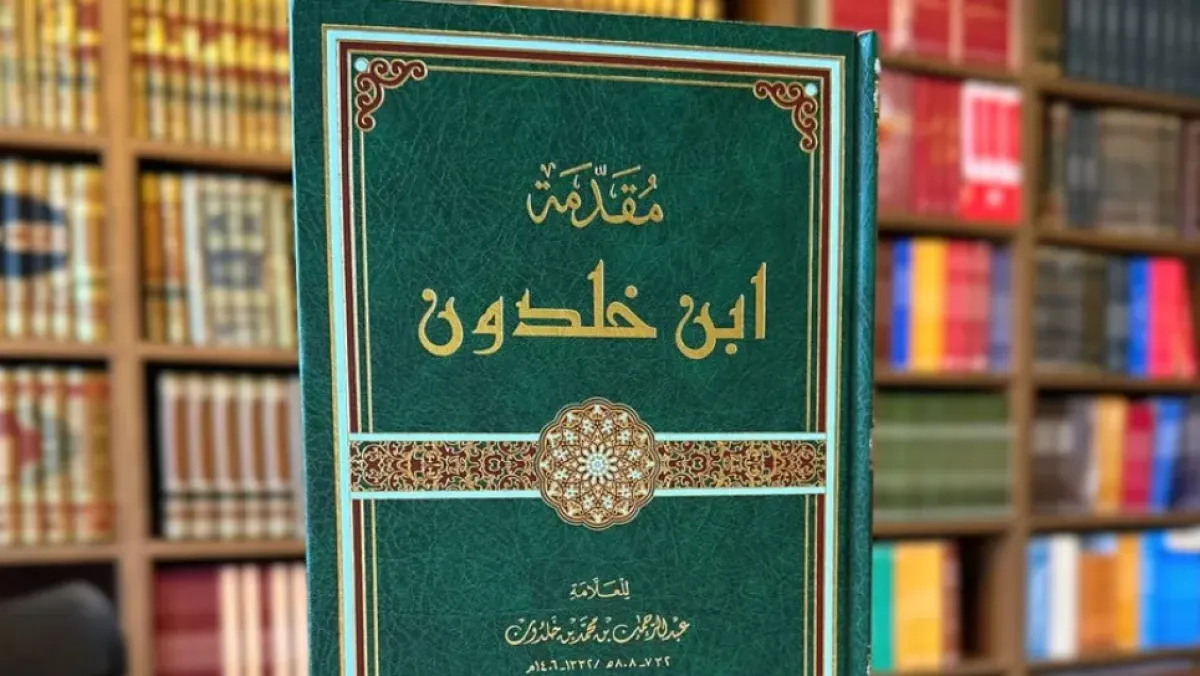
Tunisia has announced that it has submitted a joint file with Algeria, Turkey, and Egypt to nominate Ibn Khaldun's Introduction for inscription on UNESCO's Memory of the World registry. This decision was made due to the exceptional historical and scientific value of the book. The Tunisian Permanent Mission to UNESCO stated that Tunisia took the initiative to coordinate the preparation of the nomination file in 2025 and submitted it in partnership with the aforementioned countries.
The Tunisian Permanent Mission to UNESCO clarified that the nomination is currently being evaluated by expert committees accredited by the organization. The expected announcement of the documentary heritage elements that will join the Memory of the World registry is scheduled for the spring of 2027, during the UNESCO Executive Board meeting. This registry recognizes documents of outstanding cultural and historical significance.
Tunisia will closely follow up on the nomination file of Ibn Khaldun's Introduction with UNESCO, in full coordination with all concerned parties and institutions. Ibn Khaldun, a renowned historian and sociologist, was born in Tunis, Tunisia. However, he spent a significant part of his life in Algeria, particularly in the region of Tiaret, where he wrote his famous Introduction.
The Introduction, written by Abd al-Rahman ibn Muhammad ibn Khaldun, is considered a foundational text in the fields of historiography, sociology, and philosophy. Its significance extends beyond the Arab world, influencing scholars and thinkers globally. The book provides valuable insights into the history and culture of North Africa and the Islamic world.
Algeria, as one of the countries involved in the nomination, has a strong connection to Ibn Khaldun's life and work. The region of Tiaret, where Ibn Khaldun wrote his Introduction, still preserves a cave that bears his name. This site serves as a testament to the historical significance of the area and its association with the famous scholar.
The collaborative effort between Tunisia, Algeria, Turkey, and Egypt demonstrates the shared cultural heritage and historical significance of Ibn Khaldun's work. By working together, these countries aim to preserve and promote the Introduction as a valuable part of human cultural heritage. The inscription on UNESCO's Memory of the World registry would ensure the long-term preservation and accessibility of the document.
The recognition of Ibn Khaldun's Introduction by UNESCO would not only acknowledge its cultural and historical significance but also provide a platform for promoting cross-cultural understanding and exchange. The nomination is a testament to the enduring legacy of Ibn Khaldun's work and its continued relevance in modern times.
Key points
- Tunisia, Algeria, Turkey, and Egypt have submitted a joint file to nominate Ibn Khaldun's Introduction for inscription on UNESCO's Memory of the World registry.