Tunisia has emerged as one of the countries with the lowest recorded price increases in the Mediterranean region, according to Minister of Trade and Export Development Samir Obaid. He attributed this achievement to a series of measures implemented by the ministry in coordination with various economic stakeholders. These measures aim to mitigate the impact of increased production, transportation, and packaging costs on prices.
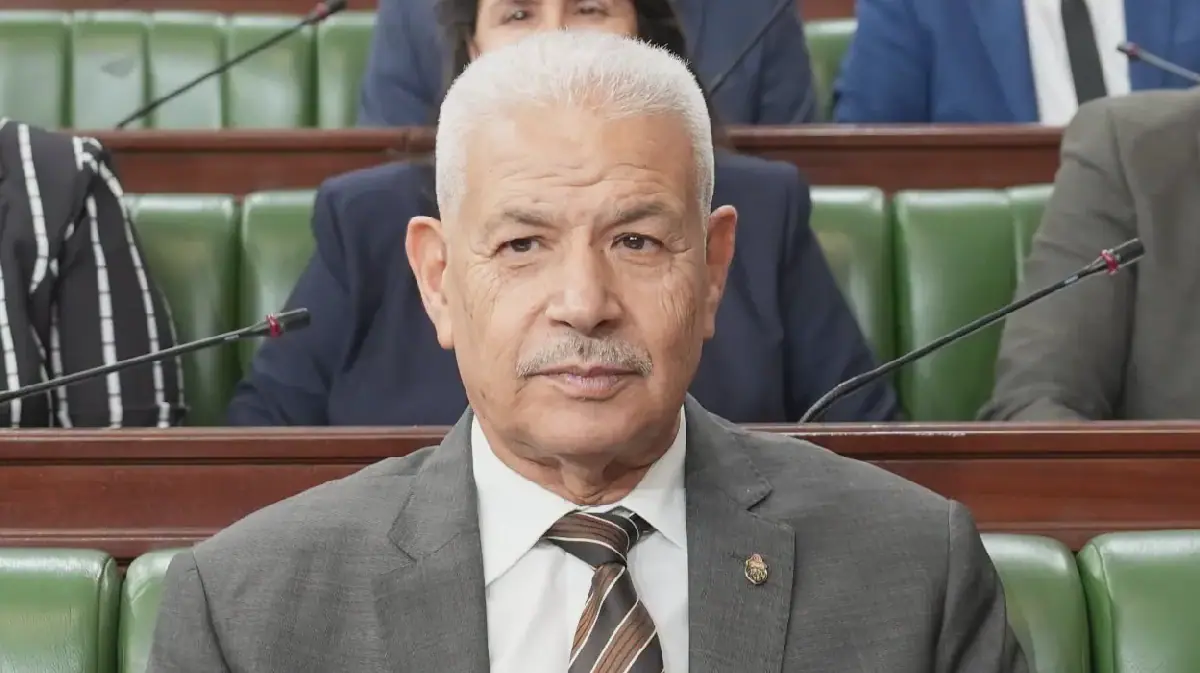
During a joint plenary session of the Assembly of People's Representatives and the National Council of Regions and Districts, Obaid reviewed the ministry's accomplishments and future plans. He emphasized that the ministry will continue to implement a program of periodic price reductions for consumer products in 2027. Additionally, the ministry plans to expand the network of direct sales points from producers to consumers across different governorates.
Obaid highlighted the ministry's efforts to support citizens' purchasing power by extending sales periods, especially during weekends. The ministry will also maintain controlled prices for basic products, freeze price increases for certain free products, and cap prices and profit margins for some agricultural and seafood products. These measures are designed to alleviate the burden of rising costs on consumers.
In terms of supply, Obaid stated that the ministry is working with various stakeholders, including the ministries of agriculture, water resources, maritime fishing, interior, industry, mining, and energy, to ensure a steady supply of basic products. This will be achieved by relying on national production, increasing output, and resorting to targeted imports when there is a shortage.
The ministry has licensed private sector companies to import sugar, coffee, rice, and tea to improve market supply. Furthermore, efforts are being made to restore the normal distribution of strategic stocks managed by the Tunisian Trade Office. Obaid emphasized the importance of these stocks in maintaining market balance and preventing supply disruptions.
Preparations for the 2027 summer season are underway, with the ministry coordinating with bottled water producers to take necessary measures to avoid supply disruptions during peak demand periods. The minister noted that Tunisia's market has been affected by climate and geopolitical fluctuations, impacting production, distribution, and supply chains.
Obaid reported that meetings have been held with manufacturers to discuss the impact of rising raw material, packaging, transportation, and logistics costs on product prices. He confirmed that economic stakeholders have responded positively to efforts to limit the pass-through of production cost increases to consumer prices. The ministry's initiatives aim to stabilize prices and ensure the availability of essential goods.
Key points
- Tunisia has implemented measures to control price increases and maintain a steady supply of basic products.
Reporting sources
- Établissement de la Radiodiffusion-Télévision Tunisienne · Établissement de la Radiodiffusion-Télévision Tunisienne