Tunisia's Ministry of Agriculture and Water Resources and Maritime Fishing plans to implement a program to rebuild the national livestock from 2027 to 2030. The program, with a budget of approximately 40 million dinars, aims to support the purchase of female animals for breeding and cattle farming. This initiative includes 35 million dinars for self-financing support for the purchase of pregnant females and 5 million dinars in grants for cattle farming.
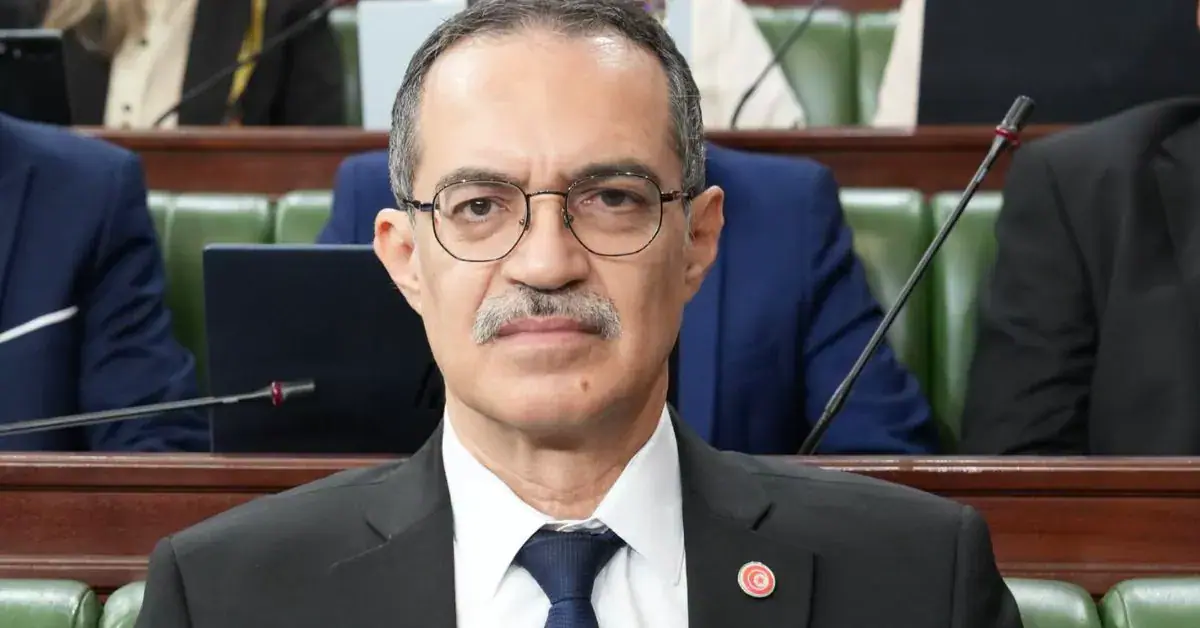
The program aims to integrate 19,600 female animals into the national livestock, which is expected to increase milk production by 86 million liters and red meat production by 2,100 tons by 2030. According to Agriculture Minister Azeddine Ben Cheikh, the public support ratio can reach 65% of the value of pregnant females, considering the support mechanism and investment grants provided by the Agency for the Promotion of Agricultural Investments.
In the poultry sector, Minister Ben Cheikh reported that monthly poultry meat production has increased from 13,700 tons to 16,000 tons. The ministry aims to maintain this level until the end of 2027. To regulate the sector and control production, the ministry is working to limit parallel production by adjusting laying hen quotas and introducing compulsory slaughter of old chickens.
For the 2026-2027 grain season, the planned cultivated areas are approximately 1.095 million hectares, with 855,000 hectares in the north and 240,000 hectares in the center and south. The irrigated areas are estimated to be around 77,000 hectares. The ministry has made 313,000 quintals of certified seeds available to farmers, which is 64% of the programmed 492,000 quintals.
The ministry has also ensured the availability of fertilizers, with 37,000 tons of super 45 fertilizer, 92% of the programmed 40,000 tons, and 66,000 tons of diammonium phosphate (DAP) fertilizer, 55% of the programmed 120,000 tons. Additionally, 41,000 tons of ammonium nitrate have been made available, out of a total program of 220,000 tons.
To support farmers, a financing line of 30 million dinars has been established through the Tunisian Solidarity Bank, with favorable conditions for farmers. In the olive oil sector, the minister announced that 40 million dinars in loans will be allocated to small farmers, and a 100 million dinar financing line will be included in the 2027 finance bill for the period 2027-2030.
The ministry is also working to support the intervention of the National Oil Office to purchase production and possibly store quantities of canned olive oil to promote it, which will help support farmers and improve marketing conditions. Furthermore, the ministry is preparing studies to develop a program for fodder crops, particularly on international lands, to ensure the availability of fodder and maintain the national livestock.
Key points
- The Tunisian Ministry of Agriculture has allocated 40 million dinars to support livestock and agriculture sectors.
- The program aims to increase milk production by 86 million liters and red meat production by 2,100 tons by 2030.
- A financing line of 30 million dinars has been established to support farmers through the Tunisian Solidarity Bank.