The National Energy Control Agency of Tunisia announced on Friday that it has accepted 23 applications from individual taxi owners to benefit from a 10,000 dinar grant to purchase electric taxis. This initiative is part of a pilot program launched on August 20, 2026, to support the transition to electric mobility in the transportation sector and reduce carbon emissions. The program is implemented in collaboration with the United Nations Industrial Development Organization (UNIDO) and the Ministry of Environment.
The pilot program aims to support 47 individual taxi owners in acquiring electric vehicles, with the goal of promoting the adoption of electric mobility in Tunisia. The program is funded by the Global Environment Facility and implemented by UNIDO, in partnership with the National Energy Control Agency and the Ministry of Environment. The agency had previously announced the launch of a national program to promote electric mobility in Tunisia, which includes providing financial incentives for individuals and businesses to acquire electric vehicles.
To be eligible for the grant, applicants must hold a valid individual taxi license, operate within designated areas, and be between 31 and 59 years old. They must also obtain preliminary approval for bank financing or leasing, or demonstrate self-financing capabilities. The National Energy Control Agency had previously set these conditions to ensure that the program benefits those who need it most and promotes sustainable transportation.
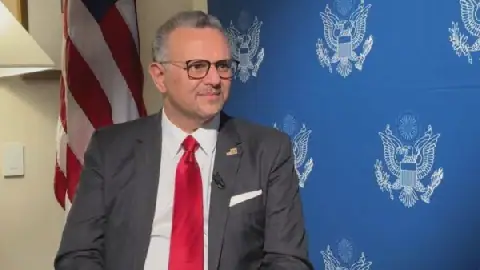
According to Abd al-Hamid al-Qanuni, Director of Energy Efficiency in the Transportation Sector at the National Energy Control Agency, over 1,100 electric vehicles were sold in Tunisia during the first four months of 2026, compared to less than 600 vehicles sold throughout 2025. This represents a significant increase in the adoption of electric vehicles in the country.
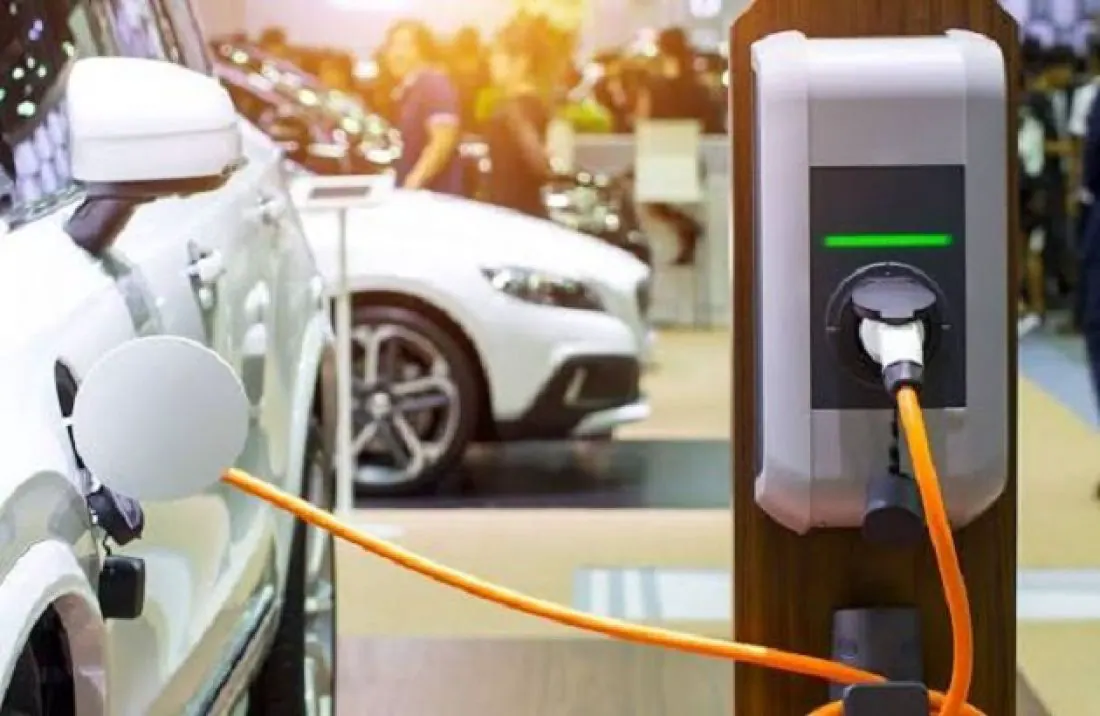
Tunisia has implemented various incentives to encourage the adoption of electric and hybrid vehicles, including tax exemptions and financial support. The country's finance law for 2026 aims to have 50,000 electric vehicles on the road by 2030, with a network of 5,000 charging stations across the country. These incentives include exempting electric vehicles from customs duties and consumption taxes, as well as reducing the value-added tax rate from 19% to 7%.
In addition to tax incentives, the Tunisian government has established a national program to promote electric mobility, which includes providing a direct financial grant of 10,000 dinars for each electric vehicle purchased by public institutions, local authorities, and professionals, including individual taxi owners. The program also provides financing options for individuals and businesses to acquire electric vehicles.
The acceptance of 23 applications for the 10,000 dinar grant marks a significant step towards promoting sustainable transportation in Tunisia. The country's efforts to encourage the adoption of electric vehicles are expected to contribute to reducing carbon emissions and improving air quality. The National Energy Control Agency will continue to implement the program and provide support to individuals and businesses transitioning to electric mobility.
Key points
- The Tunisian government has set a goal of having 50,000 electric vehicles on the road by 2030.