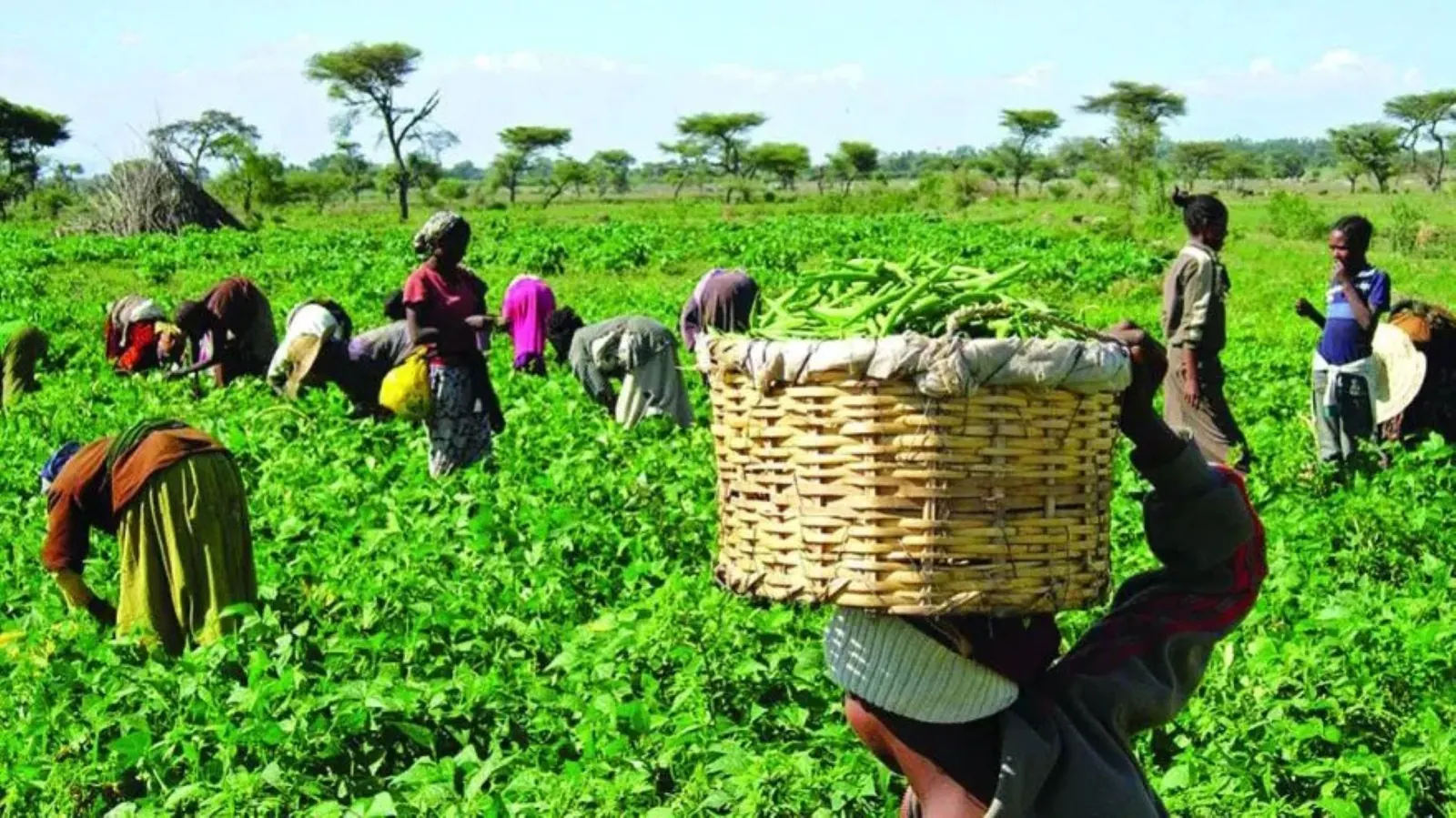
The Trade Union Congress of Nigeria (TUC) has urged the federal government to increase security funding to significantly curb rising food prices. TUC President, Festus Osifo, stated that persistent insecurity was keeping farmers from their farms, discouraging investment, and threatening food production. This was made known at the end of the TUC Administrative Council meeting in Abuja. Osifo emphasized that protection of lives and property must take precedence over infrastructure development.
According to Osifo, the worsening insecurity in parts of the country had prevented farmers from returning to their farms, with serious implications for food availability, household welfare, and the wider economy. He argued that investment in roads, power, and education would have limited value if citizens could not live, work, and produce safely. The TUC leader also warned that insecurity was affecting investors' willingness to commit capital to the Nigerian economy.
Meanwhile, presidential candidate of the African Democratic Congress (ADC), Atiku Abubakar, has accused President Bola Tinubu's administration of presiding over a sharp reversal in Nigeria's agricultural trade. Atiku stated that the country moved from a N740.27 billion surplus to a N56.13 billion deficit in one year. He attributed this to farmers struggling with insecurity and manufacturers battling high production costs.
Atiku further stated that Nigeria continues to lose value by exporting raw agricultural products instead of processing them locally. He noted that agricultural exports fell by 33.3 per cent in the first half of 2026, contributing to the N796.40 billion reversal from the corresponding period of 2025. Atiku criticized the Tinubu administration, saying that the excuse that Nigerians simply imported too much will not stand.
The TUC also urged the Independent National Electoral Commission (INEC) to ensure that the 2027 electoral process is fair, transparent, and open. The union argued that leaders who emerge through credible elections are more likely to be accountable to citizens than to political godfathers. This was part of the resolutions made at the TUC Administrative Council meeting.
Additionally, the TUC threatened renewed labour action over unresolved issues arising from the previous Joint Health Sector Negotiation Council (JOHESU) strike. The union gave the Health Minister, Prof. Muhammad Ali Pate, a few days to address the outstanding issues. The TUC stated that commitments contained in the agreement that led to the suspension of the strike had not been implemented.
The situation has resulted in significant economic implications, with Atiku adding that Tinubu's government must answer for the collapse in what Nigeria sold to the world. The country is losing export earnings, and the President owes farmers, workers, and businesses more than another speech about prosperity. The issue of insecurity and its impact on food production and the economy remains a pressing concern.
Key points
- The TUC is demanding increased security funding to address the issue of insecurity keeping farmers off farms.
- Insecurity has resulted in a significant decline in agricultural production and exports in Nigeria.
- The situation has led to a sharp reversal in Nigeria's agricultural trade, with the country moving from a surplus to a deficit.