In Carolina, Mpumalanga, residents like Ncamiso Mnisi face uncertainty every time they turn on the tap, fearing contaminated water may make them sick. The Boesmanspruit dams have been linked to repeated outbreaks of stomach illnesses and skin rashes due to acid mine drainage and sewage leaks. Many residents no longer trust the tap water, opting for boreholes or bottled water instead. Mnisi, an environmental activist with Carolina Eco Green Economy, highlights the fear of sickness that comes with turning on the tap.
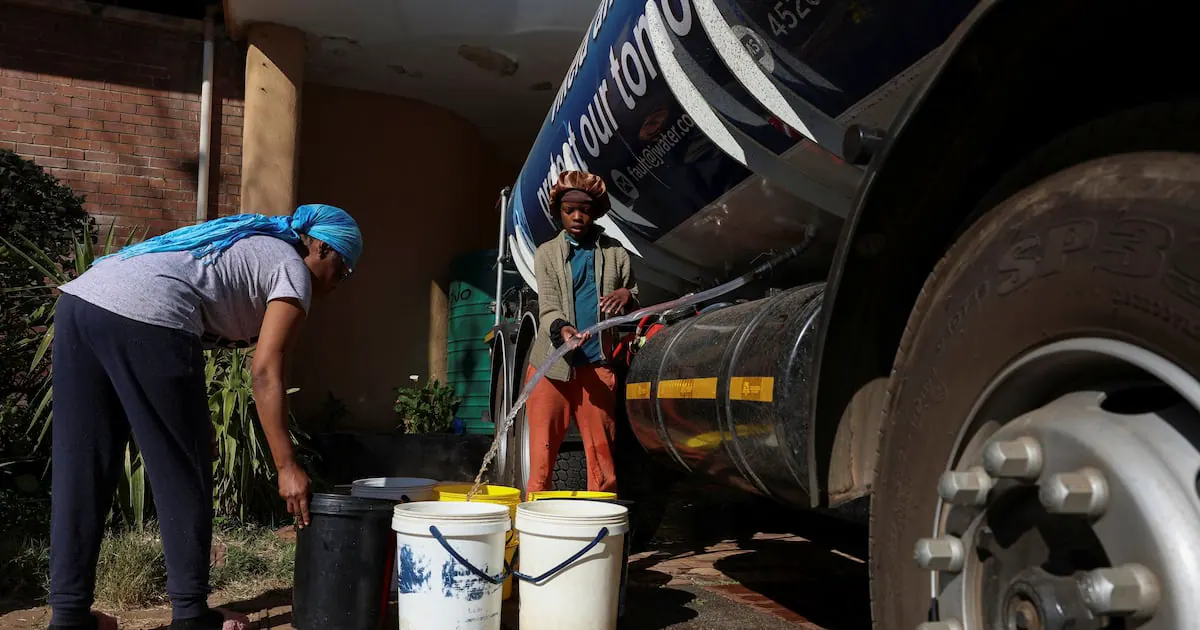
The water crisis extends beyond Carolina, with communities in Bekkersdal on Gauteng's West Rand often facing dry taps. Families walk long distances to collect water or buy it from informal vendors, adding to their expenses. In Thabong, outside Welkom in the Free State, residents have adapted to scheduled nightly water cuts to prevent water loss through leaks. They fill containers before the taps run dry, but sometimes water runs out overnight, causing difficulties, especially during funerals.
The consequences of unreliable water supply are far-reaching. In Thabong, community activist Mpai Nkali notes that residents must constantly prepare for the night by storing enough water. The lack of water affects daily life, from cooking and washing to caring for children and older relatives. Women often bear the brunt of managing household water supplies. The Department of Water and Sanitation's 2023 Blue Drop Report revealed that Carolina scored 21%, highlighting the need for improvement.
South Africa's water crisis is often framed as one of scarcity, but it is more complex. The latest No Drop progress report shows that nearly half of municipal water is lost or never paid for due to leaks, broken infrastructure, and system failures. The global average is around 30%. South Africa, already classified as a water-scarce country, faces a substantial infrastructure maintenance backlog, with many municipalities struggling to maintain ageing water and sanitation systems.
Climate change exacerbates the water crisis, with rising global temperatures increasing the intensity of extreme weather events. A 2026 study found that South Africa's climate is projected to experience more frequent and intense extreme rainfall events, alongside heightened vulnerability to droughts and floods. Ageing infrastructure, limited municipal capacity, and underinvestment worsen the impact of climate change. In KwaZulu-Natal and the Eastern Cape, extreme rainfall and flooding have destroyed homes, roads, and public infrastructure.
The impact of climate change and water scarcity is evident in communities like Roseneath near Umkomaas and Qunu in the Eastern Cape. Residents are still recovering from the consequences of damaged water infrastructure long after the floodwaters receded. Without a reliable water supply, families struggle to cook, wash, and care for children. Workers and schoolchildren are affected, and healthcare becomes more difficult.
Communities are responding by documenting water quality, organising, and demanding accountability. For Mnisi, the issue is clear: "Water isn't charity, water isn't a privilege. It is our right." The phrase "drowning while thirsting" captures the contradiction facing many South Africans today, experiencing both devastating floods and increasing water insecurity.
Key points
- South Africa faces a complex water crisis, with communities experiencing both floods and dry taps due to ageing infrastructure, climate change, and water scarcity.
- The water crisis has significant impacts on daily life, from cooking and washing to caring for children and older relatives.
- Communities are responding by documenting water quality, organising, and demanding accountability to address the water crisis.