The Congolese government is navigating a complex political equation as it prepares to launch a national dialogue. President Félix Tshisekedi has announced the opening of the dialogue, which aims to address the country's institutional and security challenges. However, the process has been met with skepticism by some opposition groups and civil society organizations, who argue that it should be more inclusive.
The debate on the national dialogue has gained momentum as the Congolese Parliament prepares to examine a law on the organization of a possible referendum. The Union sacrée de la nation, a platform of the presidential majority, continues to defend the prospect of a constitutional reform. This has sparked a battle for the future of institutions in the country.
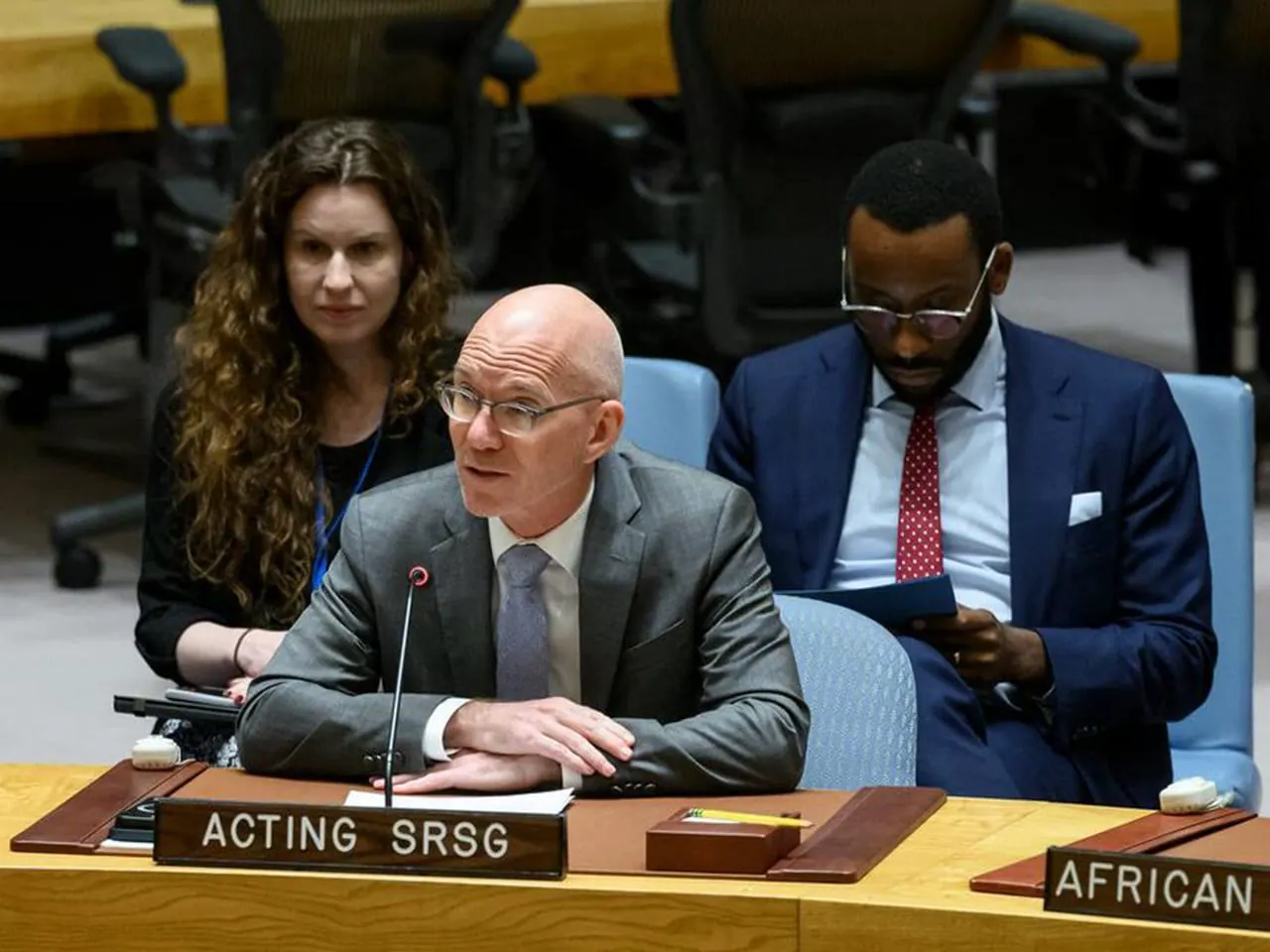
On September 29, James Christopher Swan, the head of the Monusco mission, called on Congolese actors to prioritize dialogue and consensus-building in a speech to the UN Security Council. Swan emphasized the need for an inclusive process, citing the country's persistent security and humanitarian crises. He also highlighted the importance of preserving civic space and guaranteeing fundamental freedoms.
The issue of inclusivity has become a major point of contention in the national dialogue. Some opposition groups, including the C64, have rejected the framework proposed by the government, while the AFC/M23 has also expressed reservations. The potential participation of actors linked to the security crisis in the East and political figures outside the current institutional framework has raised sensitive questions.
President Tshisekedi faces a difficult decision on the scope of the national dialogue. Including all actors could respond to the demand for a more inclusive process, but would also open complex discussions on the status of armed groups and their responsibilities. Maintaining a dialogue centered on non-engaged political and social actors would preserve the institutional framework, but risk criticism from those who argue that a durable solution requires the involvement of all stakeholders.
Tshisekedi has insisted that this dialogue will be different from previous ones, aiming to address the structural causes of instability and promote a more inclusive and sustainable process. He has set a maximum duration of three months for the dialogue and emphasized the need for a break with the tradition of dialogues that have led to political arrangements and power redistributions.
The Congolese government will need to balance competing demands and pressures as it navigates the national dialogue. The outcome will have significant implications for the country's future and its ability to address the complex challenges it faces.
Key points
- The Congolese government is under pressure to widen the scope of its national dialogue to include more actors.
- The UN's Monusco mission has called for an inclusive process, citing the country's persistent security and humanitarian crises.
- President Tshisekedi faces a difficult decision on the scope of the national dialogue, with implications for the country's future.