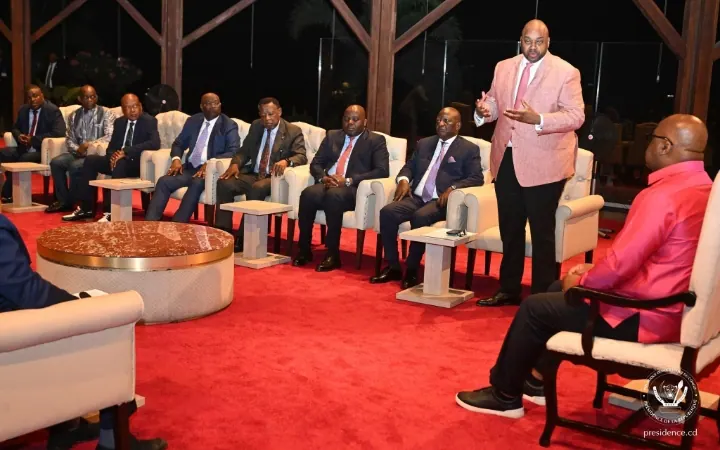
Democratic Republic of Congo President Félix Tshisekedi has faced criticism for his recent trip to Brussels, where he inaugurated his brother's restaurant. The visit has sparked controversy, particularly given the country's ongoing conflict. Tshisekedi spent four days in Brussels, accompanied by a large delegation from Kinshasa, including several government members. The restaurant, previously known as "Ancien Rouge Tomate," has been renamed "Rome" and is located at 190, avenue Louise.
The trip has raised questions about Tshisekedi's priorities, with critics arguing that his presence in Brussels is at odds with the country's pressing security and humanitarian needs. One critic noted that the president's decision to devote time to the restaurant's inauguration while the country is at war raises concerns about the exercise of the presidential function. The DRC has been embroiled in a conflict, and the situation remains dire.
The restaurant, owned by Tshisekedi's brother, Tony Nkaku Shiku, has been the focus of attention in Brussels. The establishment's renaming and relaunch have been seen as a significant event, with Tshisekedi's presence adding to its prominence. However, the timing of the visit has been widely criticized, with many questioning the allocation of resources and the president's priorities.
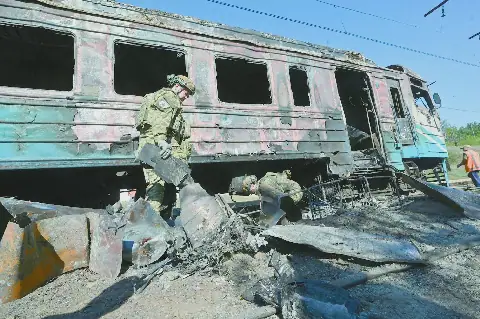
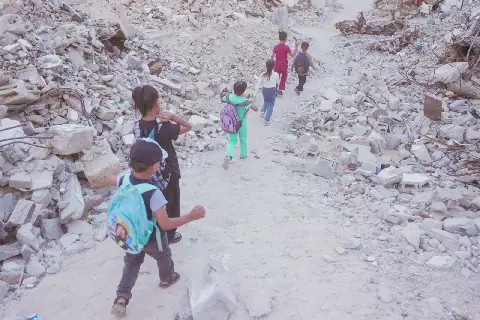
The DRC's conflict has significant humanitarian implications, with many civilians affected by the violence. The country's security situation remains fragile, and the government's response to the crisis has been closely watched. In this context, Tshisekedi's trip to Brussels has been seen as insensitive and ill-timed.
The criticism of Tshisekedi's trip has been vocal, with many expressing concerns about the use of taxpayers' money to fund the president's visit. The large delegation that accompanied Tshisekedi to Brussels has also been questioned, with some arguing that it was excessive and unnecessary.
The incident has sparked a wider debate about accountability and transparency in the DRC government. Some have called for greater scrutiny of government spending and decision-making, particularly in light of the country's ongoing challenges. The controversy has highlighted the need for greater transparency and accountability in government.
Tshisekedi's office has not publicly responded to the criticism, but the incident is likely to continue to generate controversy in the coming days. The DRC's conflict and humanitarian situation remain pressing concerns, and the government's response to these challenges will continue to be closely watched.
Key points
- Critics argue that Tshisekedi's trip to Brussels was ill-timed and insensitive given the country's ongoing conflict.
- The trip has raised questions about the president's priorities and the use of taxpayers' money.
- The incident has sparked a wider debate about accountability and transparency in the DRC government.