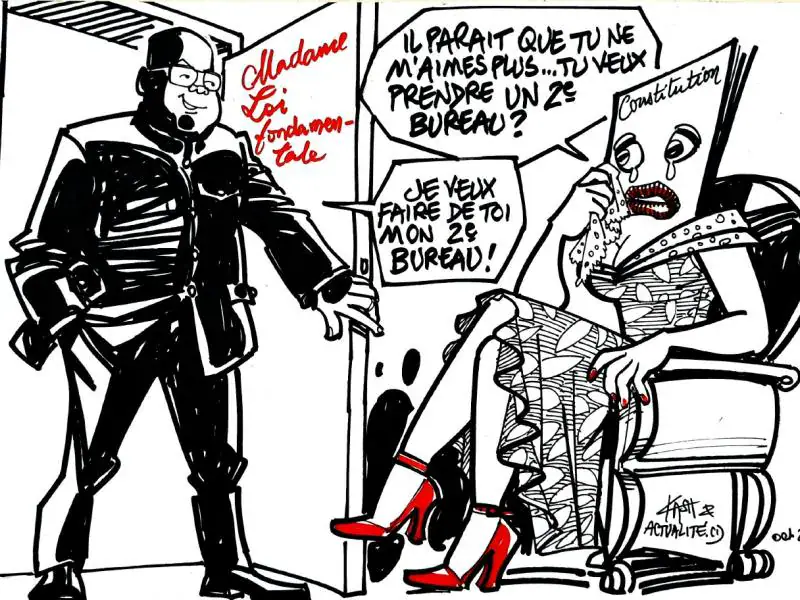
On October 24, 2026, President Felix Tshisekedi met with lawmakers from the Union Sacrée de la Nation, expressing his dissatisfaction with the Democratic Republic of Congo's 2006 constitution. He stated, "This Constitution, I don't like it, and you know it." Tshisekedi assumed full responsibility for combating the constitution, while leaving potential reforms to the elected officials. He assured that he would relinquish power in 2028 if the parliamentary majority or the people opposed any changes.
Tshisekedi's comments come amid a highly charged political and security climate in the Congo. The announcement coincides with an upcoming national dialogue and follows the recent declaration of former President Joseph Kabila's entry into a rebellion. The President linked his opposition to the constitution to his mission to end the aggression against the country, establish lasting peace, and put the Congo back on track.
Several high-ranking officials within the presidential majority support Tshisekedi's stance, arguing that the current constitution hampers the state's effectiveness during times of crisis. They also criticized foreign actors who oppose the revision. Conversely, the opposition strongly objects to Tshisekedi's position, deeming it perilous to challenge the constitution during a conflict. They accuse the government of attempting to bypass term limits and perpetuate its hold on power.
The proposed constitutional reform has sparked intense debate in the Congo. Proponents argue that the 2006 constitution is outdated and constrains the government's ability to address pressing issues. However, opponents fear that revising the constitution could lead to power abuses and exacerbate existing tensions. Tshisekedi has maintained that he will respect the outcome of the national dialogue and the people's will regarding any potential changes.
The international community has been monitoring the situation closely, with some foreign actors expressing concerns about the potential implications of a constitutional reform. The Congo's relations with international organizations, such as the Organisation Internationale de la Francophonie, may also be affected by the developments.
As the national dialogue approaches, various stakeholders are preparing to engage in discussions about the country's future. The outcome of these talks will likely have significant implications for the Congo's governance, stability, and relationships with external partners. President Tshisekedi has reiterated his commitment to finding solutions that prioritize the nation's interests.
The controversy surrounding the constitution has brought attention to the complexities of governance in the Congo. The situation highlights the delicate balance between addressing pressing challenges and upholding democratic principles. As the country navigates this critical period, its leaders will need to carefully consider the concerns of various stakeholders and prioritize the nation's stability and prosperity.
Key points
- President Tshisekedi's opposition to the 2006 constitution has sparked intense debate and raised concerns about potential power abuses and the country's stability.