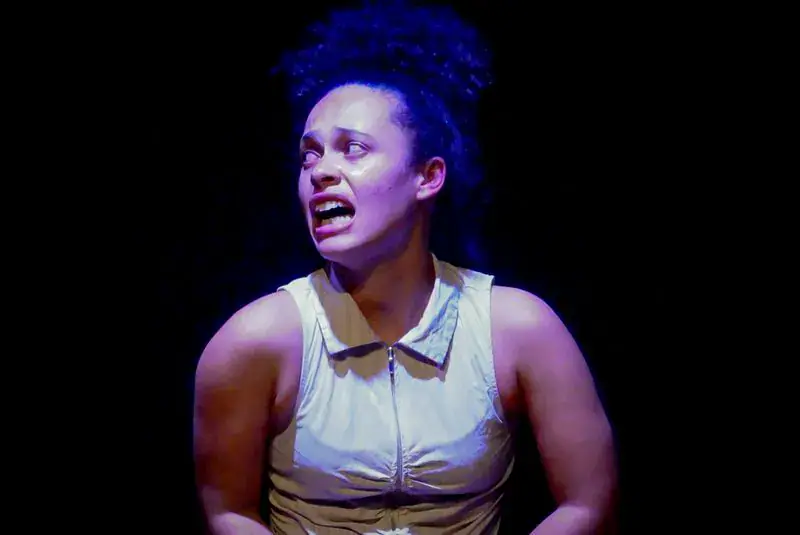
Tshiamo Moretlwe, a South African actor and activist, has created a one-woman play called Filled, which explores the often-overlooked aspects of the gender-based violence discourse. The play, which debuted at the National Arts Festival and is currently running at the Baxter, aims to spark conversations about the aftermath of violence and the ways in which society treats survivors. Moretlwe's interest in the topic stems from her own experiences and awareness of the issue since she was a young girl.
Moretlwe's play does not focus on the acts of physical violence themselves, but rather on the victim-blaming, victim-shaming, and unsolicited advice that survivors often face. She seeks to humanize an issue that has been oversimplified and to complicate our ideas of what a survivor or victim is. The play asks hard questions about forgiveness, revenge, and the complexities of the issue. Moretlwe's goal is to help other women find their voice and reclaim their power, rather than speaking on behalf of survivors.
The spark for the play came from an ancient San poem about a woman who gets cut open and sewn back together again. Moretlwe's play situates this idea in a modern context, exploring what happens after a survivor tries to get their life back on track. She examines the ways in which people respond to survivors, often unintentionally causing harm. The play is an allegory, using a collage of moments from the real world, including internet comments and witness statements.
Moretlwe's writing style is humorous, off-beat, and entertaining, using comedy to disarm the audience and bring down their walls. She believes that laughter is a great tool for addressing polarizing issues and making people more open to hearing what needs to be heard. The play also incorporates elements of physical theatre and puppetry, using paper objects to bring to life a cast of characters that interact with the protagonist.
Filled is directed by Roshina Ratnam and features Moretlwe as the sole performer. The play creates a surreal, heightened theatrical world that highlights the need for change in our own world. Moretlwe's voice and words on the page are central to the play, which seeks to empower women and encourage them to find their voice. The play is a testament to Moretlwe's agency and her refusal to be voiceless in the face of gender-based violence.
Moretlwe's personal experiences and awareness of gender-based violence have driven her to create this play. She recalls a news report from her childhood that left her feeling overwhelmed and helpless. This experience sparked her desire to take control and make a change. Moretlwe's play is a result of her decision to use her voice to make a difference and to help others do the same.
The play's use of humour, physical theatre, and puppetry creates a unique and engaging experience for the audience. Moretlwe's goal is to make the audience think critically about the issue of gender-based violence and to encourage them to take action. By sharing her own story and exploring the complexities of the issue, Moretlwe hopes to inspire change and promote a more nuanced understanding of the topic.
Key points
- The play Filled explores the aftermath of gender-based violence and the ways in which society treats survivors.