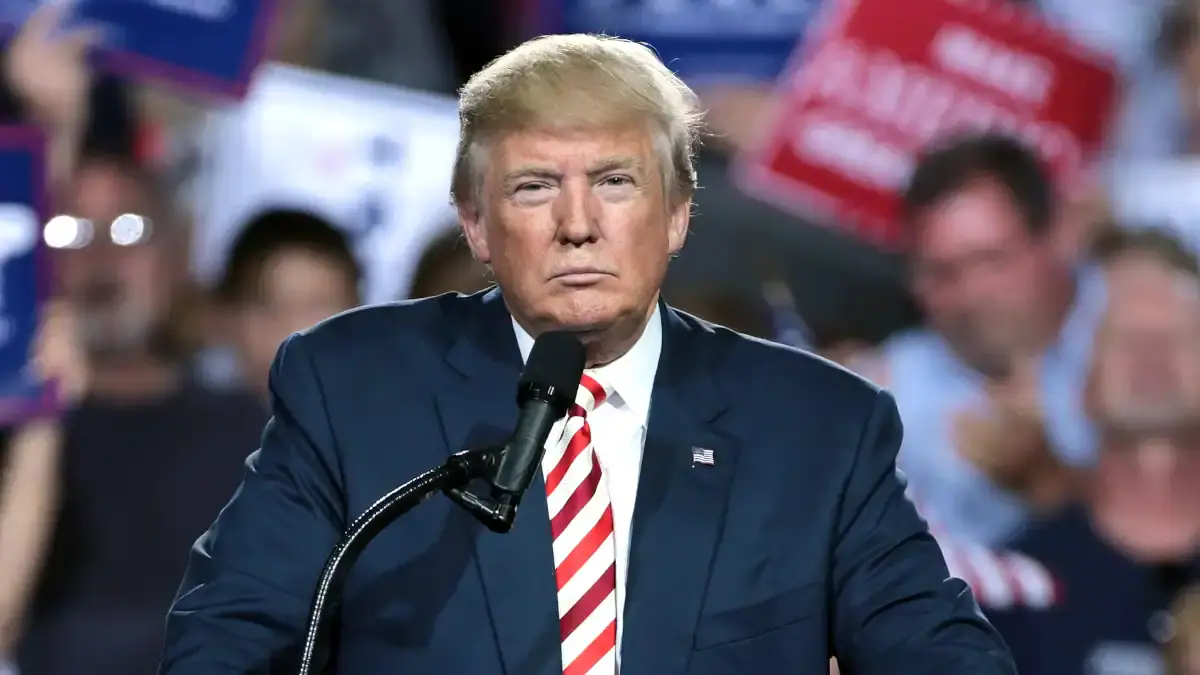
On November 8, 2026, US President Donald Trump expressed his view that a new American offensive against Iran is unlikely, provided that Tehran signs a robust nuclear agreement and reopens the Strait of Hormuz. In an interview with CNN, Trump stated that the likelihood of new strikes depends on the signing of a "very strong" agreement. He believes that if negotiations are successful, further military action may not be necessary.
The conflict between the US and Iran began in late February with a joint American-Israeli offensive, which was later suspended by a ceasefire on April 8. A protocol agreement was reached on June 17, allowing the reopening of the Strait of Hormuz, but Washington resumed its strikes in July. However, Trump had halted further strikes in early August at Tehran's request and that of regional partners. According to the AFP, the US has not launched any new strikes against Iran since September 1.
Trump characterized Iran as a weakened nation, stating that it retains only about 10% of its missile capabilities and 15% of its drones. He described Iran as a "declining country" with a collapsing economy. Nevertheless, Trump warned that Washington is prepared to take action, citing the deployment of three aircraft carriers in the region. He emphasized that the US is ready to act if necessary.
On November 2, Tehran announced its willingness to reopen the Strait of Hormuz within two days, subject to certain conditions, with the support of Oman. The Omani government has called on Washington and Tehran to pursue a path of peace. However, the two parties remain far apart on the nuclear issue, leaving the possibility of renewed strikes uncertain.
Trump's comments were made in an interview with CNN, where he discussed the potential for a new nuclear agreement with Iran. He emphasized that a strong agreement would be essential in preventing further conflict. The US and Iran have been engaged in tense negotiations over the nuclear program, with the US pushing for stricter controls and Iran seeking relief from economic sanctions.
The situation remains volatile, with both sides maintaining their positions. Iran's economy has been severely impacted by US sanctions, and the country is seeking relief. However, the US is insisting on a strong nuclear agreement that addresses its concerns about Iran's ballistic missile program and regional activities.
The international community is closely watching the developments, with many countries calling for a peaceful resolution to the conflict. The Omani government's efforts to facilitate talks between Washington and Tehran are seen as a positive step towards de-escalation. Key points: The US is unlikely to launch new strikes on Iran if a strong nuclear deal is reached; Iran has offered to reopen the Strait of Hormuz within two days; The US and Iran remain far apart on the nuclear issue.
Key points
- US President Donald Trump sees low likelihood of new strikes on Iran if a strong nuclear deal is reached.
- Iran has offered to reopen the Strait of Hormuz within two days, subject to certain conditions.
- The US and Iran remain far apart on the nuclear issue, despite efforts to negotiate a new agreement.
Reporting sources
- Iran : Trump juge de nouvelles frappes « très improbables » sous condition · La Nouvelle Tribune