A significant aviation crisis hit the United States on Friday, causing widespread disruptions to flights across the country. The Federal Aviation Administration (FAA) issued a rare nationwide grounding of flights, which lasted for nearly five hours, resulting in the cancellation or delay of around 10,000 flights. This crisis exposed vulnerabilities in the US aviation safety system, a concern that experts have warned about repeatedly.
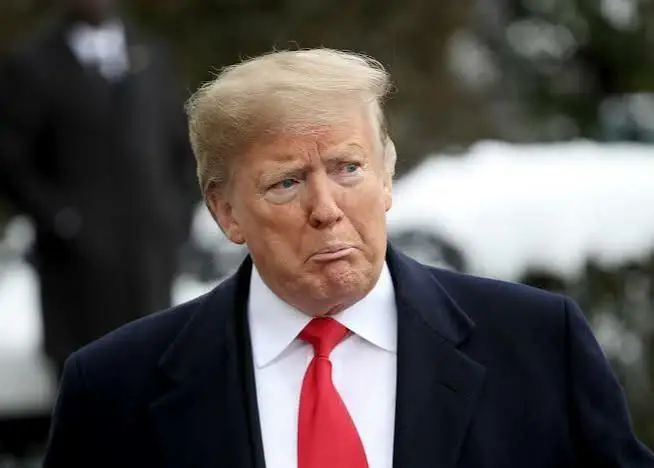
During the crisis, President Donald Trump did not make any public statements, instead choosing to post messages on his social media platform, Truth Social. These posts focused on the entertainment industry and California Governor Gavin Newsom, rather than addressing the aviation crisis. Trump's silence was notable, especially given that his administration faced its first major crisis since the midterm elections.
In response to the crisis, Homeland Security Secretary Marquito Molin and Transportation Secretary Sean Duffy appeared in press conferences to address the situation. Molin stated that Trump was monitoring the situation and had given his team the authority to handle it. However, the two officials provided somewhat conflicting accounts of the cause of the crisis, with Molin suggesting that new technological updates had put pressure on the old system.
The FAA and the Department of Transportation later clarified that a routine replacement of a router in a remote area had caused the disruption. However, officials were still investigating whether the issue was due to a faulty component or human error. The incident raised questions about the preparedness and resilience of the US aviation system.
Trump's absence from public view during the crisis was seen as unusual, particularly given his previous practice of making public appearances and holding press conferences. Some of his supporters and allies, including former Representative Marjorie Taylor Greene, criticized his lack of engagement with the crisis.
In the aftermath of the crisis, Transportation Secretary Duffy called for increased funding to modernize the aviation system, citing a need for $50 billion to upgrade infrastructure. He also defended Trump's leadership, stating that the President had been in close communication with him and Molin during the crisis.
The aviation crisis highlighted the ongoing challenges facing the US aviation system and raised questions about the Trump administration's priorities and preparedness for such events. As the situation continues to unfold, it remains to be seen how the administration will respond to calls for increased investment in aviation infrastructure and improved crisis communication.
Key points
- Trump's silence during the aviation crisis sparked questions about his leadership and preparedness for critical situations.
- The crisis exposed vulnerabilities in the US aviation safety system and raised concerns about the administration's priorities and investment in infrastructure.
- Officials provided conflicting accounts of the cause of the crisis, and the incident raised questions about the resilience and preparedness of the US aviation system.