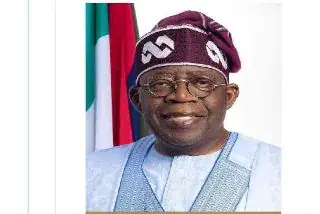
President Bola Tinubu's economic and fiscal reforms are yielding significant results, according to Oyetunde Ojo, national convener of the South West Agenda for Tinubu (SWAGA). Mr. Ojo disclosed this during an interview with journalists in Lagos on Sunday. He said the removal of the petrol subsidy, foreign exchange unification, and other fiscal measures were bold decisions aimed at addressing longstanding structural challenges in the Nigerian economy.
The removal of the costly petrol subsidy framework has created additional fiscal space for the government to channel resources towards critical national development priorities, Mr. Ojo said. "President Tinubu demonstrated strong political will by taking difficult but necessary decisions to address the structural problems confronting our economy," he said. The reforms have provided the government with greater fiscal space to pursue developmental programmes and strengthen public finances.
The unification of the foreign exchange market has also addressed the challenges associated with multiple exchange rate windows, providing a market-determined framework for foreign exchange transactions. "Before this administration, the existence of multiple exchange rate windows created distortions and uncertainty in the foreign exchange market," Mr. Ojo said. The reforms aim to promote transparency, improve market confidence, and strengthen the country's external reserves.
Mr. Ojo highlighted the reduction in the debt service-to-revenue ratio from over 97 percent to below 50 percent, alongside efforts to repay outstanding Ways and Means advances from the Central Bank of Nigeria. This represents progress in the government's fiscal management, as excessive debt servicing had previously placed considerable pressure on government revenue, limiting resources available for infrastructure, education, healthcare, and other essential services.
Nigeria's gross external reserves have grown to more than $52 billion, Mr. Ojo said, describing it as an important development in strengthening the country's external financial position. Building external reserves is essential to improving the country's capacity to meet international obligations, support foreign exchange stability, and strengthen confidence in the Nigerian economy.
Mr. Ojo emphasized that the gains of the reforms must translate into improved living conditions for ordinary Nigerians. He applauded the government's efforts towards reducing inflationary pressures, creating employment opportunities, and supporting businesses and small and medium-sized enterprises (SMEs). Nigerians must exercise patience and support policies aimed at addressing the country's economic challenges, he said.
Mr. Ojo expressed confidence that President Tinubu's continued implementation of the reforms would strengthen the economy, improve government revenue, and create a more sustainable foundation for national development. He urged Nigerians to support the administration's policies, saying that meaningful economic transformation required consistency, commitment, and collective responsibility.
Key points
- The removal of the petrol subsidy has created additional fiscal space for the government to pursue developmental programmes.
- Nigeria's gross external reserves have grown to more than $52 billion.
- The debt service-to-revenue ratio has reduced from over 97 percent to below 50 percent.