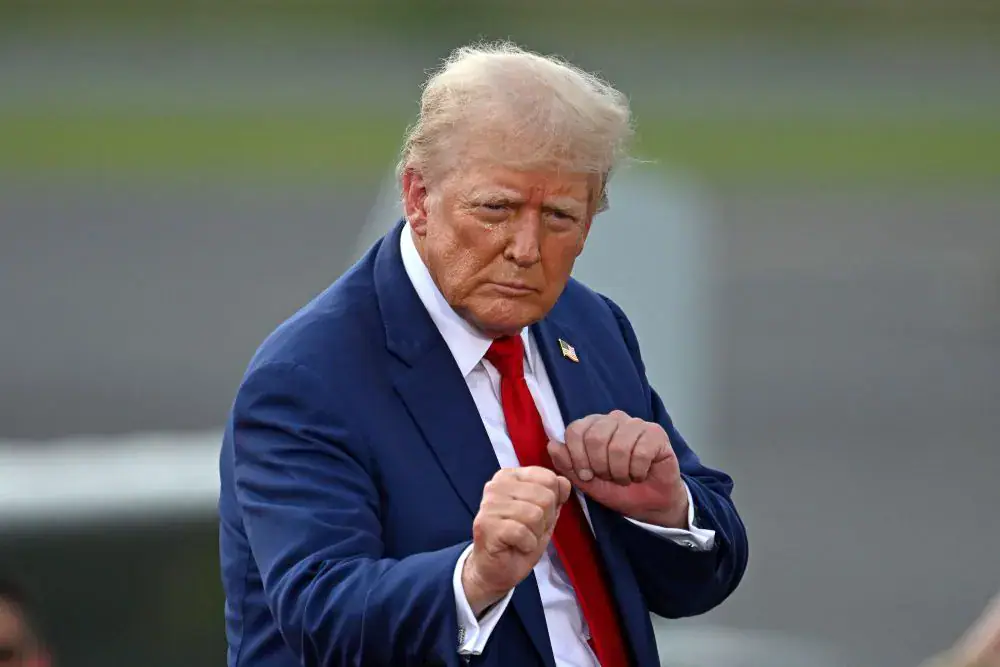
The recent US midterms election has sent shockwaves through the Republican Party, with President Donald Trump's defeat having far-reaching implications for the 2028 presidential election. Trump's stunning loss has upended the race to replace him in the White House, with several potential candidates now facing an uncertain future. The crushing defeat for the Republicans is particularly stinging for Vice President JD Vance, who had been considered the frontrunner but now risks being seen as tied to his lame-duck boss.
Vance, 42, quickly tried to distance himself from the electoral disaster, blaming it on Trump's unpopular policies. However, voters are likely to reject his attempts to disown Trump, according to James Lindsay of the Council for Foreign Relations. Lindsay noted that sitting vice presidents seldom win the presidency, which could be a significant hurdle for Vance's ambitions. Other potential Republican candidates, such as Senator Marco Rubio and Governor Ron DeSantis, have also been mentioned as possible contenders, but their chances remain uncertain.
The midterms have given some likely Democratic candidates a boost, including Georgia Senator Jon Ossoff, whose youthful vibe has drawn comparisons to former President Barack Obama. Ossoff's reelection has fueled speculation about a potential 2028 run, although he has stated that he has "zero interest" in running for president. Other possible Democratic contenders include Senator Kamala Harris, Governor Josh Shapiro, and Congresswoman Alexandria Ocasio-Cortez, each with their own strengths and weaknesses.
The Democratic field is crowded, but the midterms have provided some momentum for certain candidates. Harris, 62, had been considered the favorite for the nomination, but some in the party prefer someone without a losing track record. Shapiro, 53, had a successful night on election day, storming back to reelection in the key battleground state of Pennsylvania. Ocasio-Cortez, a prominent but potentially divisive figure, has expressed interest in running, sparking debate about her potential candidacy.
Other potential Democratic candidates include former Chicago Mayor Rahm Emmanuel, Governor JB Pritzker, and Senator Mark Kelly. Each of these individuals has their own unique qualifications and challenges, which will likely be scrutinized in the coming months. As the 2028 election approaches, both parties will need to navigate complex dynamics and shifting alliances to secure the nomination.
The midterms have also highlighted the ongoing impact of Trump's presidency on the Republican Party. Trump's Secretary of State, Marco Rubio, has kept a low profile during the midterms, but any top official in Trump's administration will struggle to distance themselves from the Iran war. The Republicans' midterm disaster could, however, be a boost for other possible candidates, such as Governor Ron DeSantis, who has suddenly become more vocal about his ambitions.
As the 2028 presidential election begins to take shape, both parties will need to adapt to changing circumstances and emerging candidates. The midterms have provided a glimpse into the complex landscape that will define the next presidential election, with several potential candidates already emerging as frontrunners or dark horses. Ultimately, the outcome will depend on a range of factors, including shifting alliances, candidate dynamics, and the ongoing evolution of the parties themselves.
Key points
- Trump's midterms defeat has significant implications for the 2028 US presidential election.
- The Democratic field is crowded, with several potential candidates emerging in the wake of the midterms.
- The Republicans face an uncertain future, with several potential candidates struggling to distance themselves from Trump's presidency.