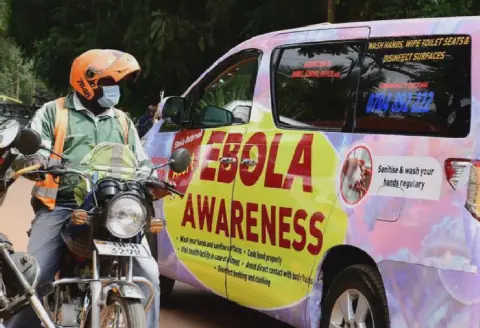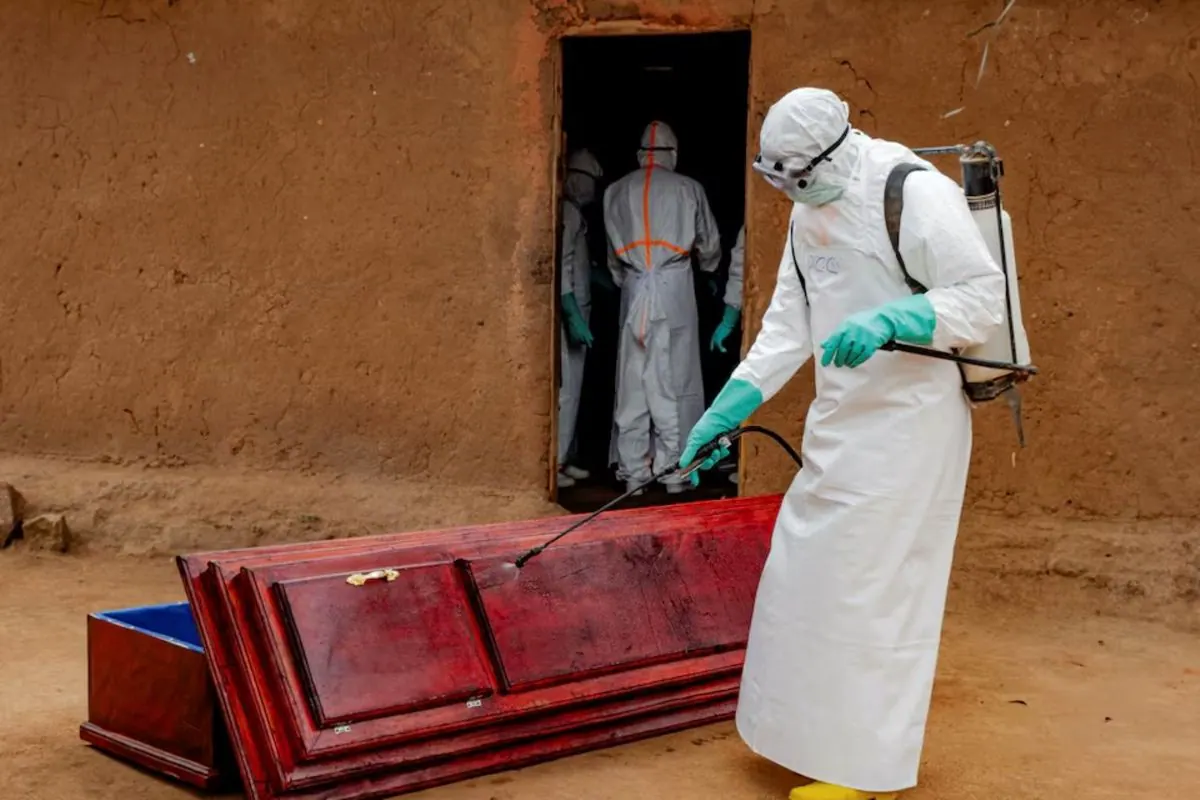
When US doctor Patrick LaRochelle was exposed to Ebola in a mining town in Democratic Republic of Congo in May, he expected to be rushed home for treatment, just like during a previous outbreak in 2018. However, the plan changed, and he was transported to an isolation unit in Prague in the Czech Republic. LaRochelle did not contract the disease and praised the US government's help, but expressed sadness at not being flown home. This decision was part of the Trump administration's America First policy, which prioritized border controls over fighting the disease.
The US administration's policy change set the tone for a US Ebola response focused on containment rather than treatment. A 50-bed Ebola quarantine camp was set up for US citizens on an air force base in Kenya, and a "do-not-board" order was issued, blocking citizens from taking US-bound flights if they had been anywhere in Congo within 21 days. This approach has slowed the flow of American medical volunteers, increasing the strain on local doctors and weakening the overall response. The policy has had a tangible impact on staffing and morale, with many medical workers feeling discouraged.
The Trump administration's approach to the Ebola outbreak has been criticized for being driven by fear and optics rather than a true understanding of medical risk. LaRochelle expressed sadness and anger at the decision-making process, stating that it seemed "patched together and reactive." The US Agency for International Development (USAID) was shut down, and the withdrawal from the World Health Organization (WHO) left a hole in the supply chain for medicines and equipment. This has disrupted medical work in a country almost six times the size of California.
The US Department of Health and Human Services, led by Secretary Robert F. Kennedy Jr., has taken a relatively hands-off approach to the Ebola outbreak. Kennedy, a longtime anti-vaccine activist, has minimized the importance of fighting infectious diseases and has fired thousands of disease and vaccine experts. The US State Department has contributed $50 million to the Coalition for Epidemic Preparedness Innovations, but more funding is needed for a large-scale trial in Congo.
The impact of the US policy change is being felt on the ground in Congo. Medical missionary Peter Stafford, who was infected with Ebola, was treated in Germany and recovered. He expressed disappointment and sadness at not being able to receive treatment in the US. The quarantine policy has also affected the deployment of medical professionals, with Americans now making up only 20% of staff at Samaritan's Purse Ebola Treatment Centers in Congo, down from 80%.
Public health officials say that stopping Ebola from entering the US is a legitimate goal, but the 21-day quarantine policy is having a significant impact on staffing and morale. Franklin Graham, President and CEO of Samaritan's Purse, has spoken out about the challenges faced by medical workers, saying they should be treated as heroes. The policy has also raised concerns about the US response to global health crises.
The Ebola outbreak in Congo has killed over 4,000 people and is spreading at the fastest rate ever. The US response, or lack thereof, has been criticized for being inadequate and driven by politics rather than a commitment to global health. As the situation continues to unfold, it remains to be seen whether the US will change its approach and prioritize treatment and containment over border controls.
Key points
- The Trump administration's America First policy led to a change in the US Ebola response, prioritizing border controls over treatment and containment.
- The policy change has slowed the flow of American medical volunteers and increased the strain on local doctors, weakening the overall response.
- The US approach has been criticized for being driven by fear and optics rather than a true understanding of medical risk.