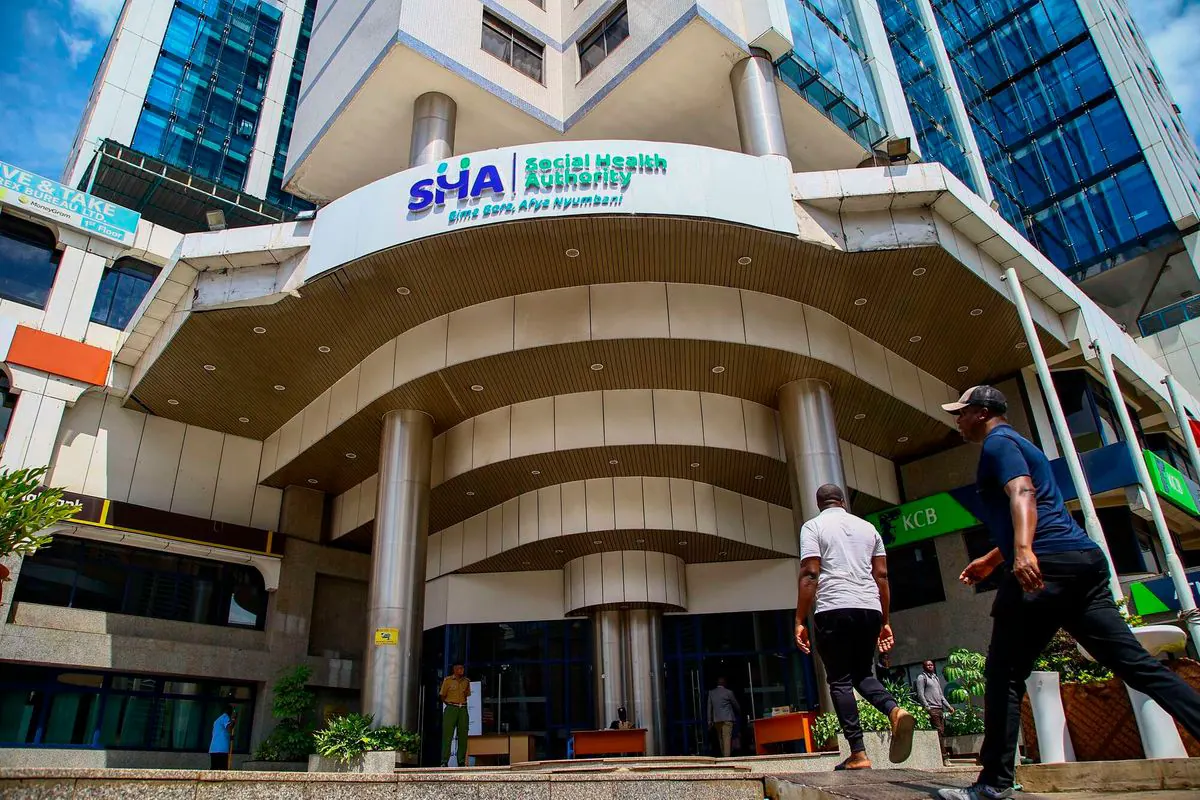
The Kenyan government is set to implement new rules for licensing hospitals under the Social Health Authority (SHA). These changes are part of the 2026–2029 contracting cycle, which starts as the current contracts expire on October 14, 2026. The new rules aim to ensure that health facilities are contracted for services they are legally authorised to provide. This move has been prompted by concerns from healthcare providers regarding contracting requirements, claims processing, tariffs, pre-authorisation, and delayed reimbursements.
Under the new framework, health facilities will only be contracted to provide services for which they hold the necessary licences and regulatory approvals. A digital contracting platform will be used in the new process. This platform is expected to streamline the contracting process and improve transparency. The new rules also introduce a 90-day timeline for paying clean claims. A clean claim is one that meets the requirements and has no outstanding issues requiring clarification or correction.
The 90-day payment rule does not guarantee that every claim submitted to the SHA will be paid within three months. Clean claims will be processed in the order they are received and paid within 90 days if funds are available. If insufficient funds are available to settle a clean claim within this timeframe, the unpaid amount will be recognised as a certified liability and carried forward for settlement within the same financial year.
The SHA will link a facility's contract to the specific services that it is legally authorised to provide. This requirement means that facilities will only be contracted for services they are licensed to offer. For example, laboratories, pharmacies, and imaging services are subject to regulation by their respective statutory bodies. This move aims to ensure that facilities are reimbursed for services that fall within their approved regulatory scope.
Health Cabinet Secretary Aden Duale stated that the national and county governments are committed to ensuring that eligible public health facilities complete the contracting process on time. This will enable them to continue providing quality, accessible, uninterrupted services to SHA beneficiaries. Facilities that have met most requirements but are still obtaining some statutory documents will be granted a conditional compliance period.
Healthcare providers have raised concerns about several aspects of the SHA's contracting and reimbursement system. These concerns include tariffs, claims processing, pre-authorisation, empanelment, payment delays, and the digital systems used to manage services and claims. These issues impact the conditions under which facilities provide care to SHA beneficiaries and seek reimbursement from the Authority.
The new contracting requirements could affect patients, particularly in terms of where they obtain specific services. If a facility is not contracted to provide a particular service because it lacks the necessary regulatory approval, SHA beneficiaries may have to obtain that service from another contracted facility. Facilities that have not completed the new contracting requirements by October 14 will not have their existing contracts extended.
Key points
- The new SHA contracting rules tie reimbursement to specific services a facility is licensed to provide.
- A 90-day timeline for paying clean claims has been introduced under the new framework.
- Facilities will only be contracted for services for which they are duly licensed.