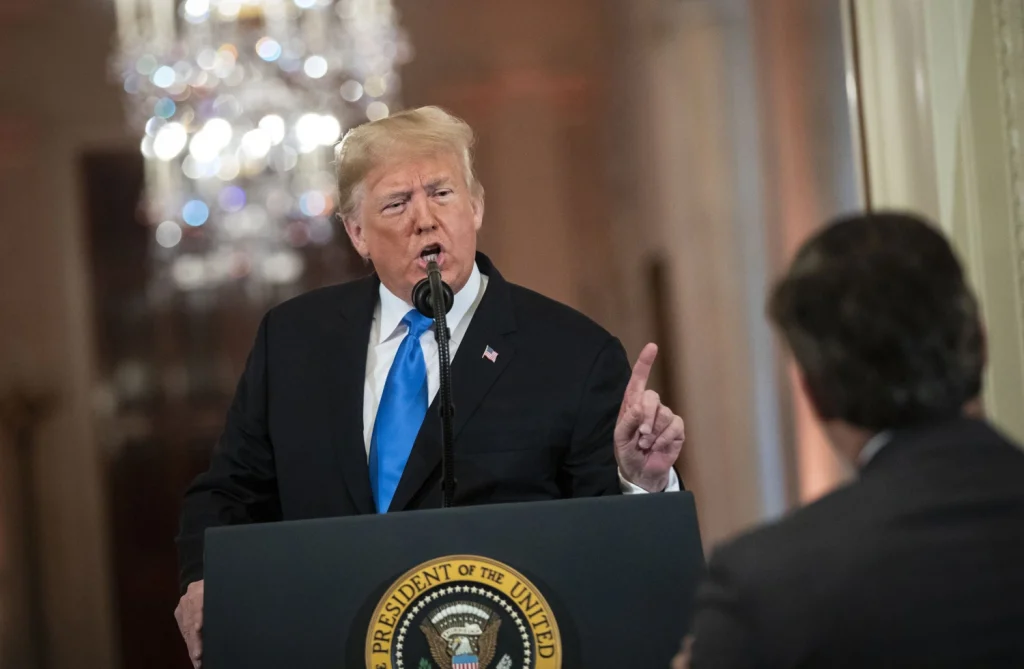
US President Donald Trump has rejected a proposal by Iran to reopen the Strait of Hormuz and halt fighting in the Middle East. The proposal was presented during the United Nations General Assembly in New York, and was delivered to the US through mediators from Qatar. According to Iranian Foreign Minister Abbas Araqchi, the agreement would have enabled the reopening of the Strait of Hormuz within seven days, along with a halt to fighting in the region.
Trump rejected the plan, saying Iran wants the rapid reopening of the strait due to economic pressure it is facing. He stated that Iran has been affected due to a decrease in shipping activities through Hormuz, which is one of the most important energy shipping routes in the world. The Strait of Hormuz connects the Persian Gulf and the Gulf of Oman and holds great significance in global trade, especially for the transportation of oil and other energy products.
Iran has been under economic pressure from the US, which has led to a decrease in its oil exports. The US has continued to impose economic sanctions on Iran while seeking Tehran's cooperation in reopening the Strait of Hormuz. Iran has made it clear that it is willing to reach an agreement if the US shows willingness to do so. Araqchi stated that the proposal would start with the reopening of Hormuz within seven days and a halt to fighting, before broader talks between the parties involved.
The talks could also touch on the issue of Iran's nuclear program. Iranian President Masoud Pezeshkian has stated that his country is willing to negotiate its nuclear program and other issues but will not accept what he termed as threats, pressure, or coercion. Iran has been emphasizing that it does not seek war but will continue to defend itself against attacks and threats.
The conflict between Iran, the US, and Israel has been ongoing since February 28, following US and Israeli attacks on Iran. Since then, fighting has been fluctuating between periods of ceasefire and resumption of combat, with damage to Iran's infrastructure and economy. Iran and its allies have responded with missile and drone attacks on various targets in the Middle East.
The rejection of Iran's proposal by Trump leaves the fate of the reopening of the Strait of Hormuz uncertain, with diplomatic efforts to halt fighting being closely monitored. The US and Iran have been engaged in a war of words, with each side accusing the other of aggression and provocation. The situation remains volatile, with concerns about the potential for further escalation.
The international community is closely watching the developments in the region, with many countries calling for restraint and dialogue. The conflict has significant implications for global energy markets, with the Strait of Hormuz being a critical waterway for oil exports. Efforts to de-escalate tensions and find a peaceful solution to the conflict are ongoing, with many hoping for a peaceful resolution to the crisis.
Key points
- The US and Iran have been engaged in a longstanding conflict, with tensions escalating in recent months.
- The Strait of Hormuz is a critical waterway for global energy exports, with any disruption having significant economic implications.
- Diplomatic efforts to halt fighting and find a peaceful solution to the conflict are ongoing.