In Tanzania, a growing trend has emerged where individuals are capitalizing on their physical resemblance to famous musicians. One such individual is a young man known as Diamond wa Katoro, who has gained recognition for imitating Diamond Platnumz's appearance, dressing style, and mannerisms. He has become an attraction at entertainment events, particularly in the Lake Zone, where he has secured invitations to perform. His growing popularity has also opened doors beyond the stage, with opportunities to advertise different products and services.
Another individual, known as Jux's lookalike, has also started benefiting from his resemblance to the Bongo Flava singer. A few weeks ago, he reportedly secured an advertising deal with one of the country's well-known restaurant businesses. This demonstrates how companies can use celebrity lookalikes to attract attention and promote their services. For businesses, the appeal lies in the curiosity that comes with seeing someone who looks like a familiar public figure. Such appearances can generate conversations, attract customers, and create content that audiences are willing to share.
The concept of lookalikes turning their resemblance into a career is not new. Reza Parastesh, an Iranian, gained international attention in 2017 due to his striking resemblance to Argentine football legend Lionel Messi. Parastesh became widely known after his father encouraged him to wear a Barcelona number 10 shirt and send photographs to a sports website. The images quickly attracted attention, leading to media interviews and modelling contracts. His experience demonstrated how a physical resemblance, when amplified by public curiosity and media attention, can develop into a commercial opportunity.
Similarly, British performer Michaela Weeks turned her resemblance to American pop star Britney Spears into a full-time career. Weeks began impersonating Spears in 2005, aged 17, and went on to perform at different events while presenting herself as the singer's lookalike. According to a report published by 'Now to Love' in May 2013, she had earned more than $450,000 from the work since starting her career. At the time, she reportedly charged more than $5,000 for an appearance, with the income helping her purchase her first home at the age of 19.
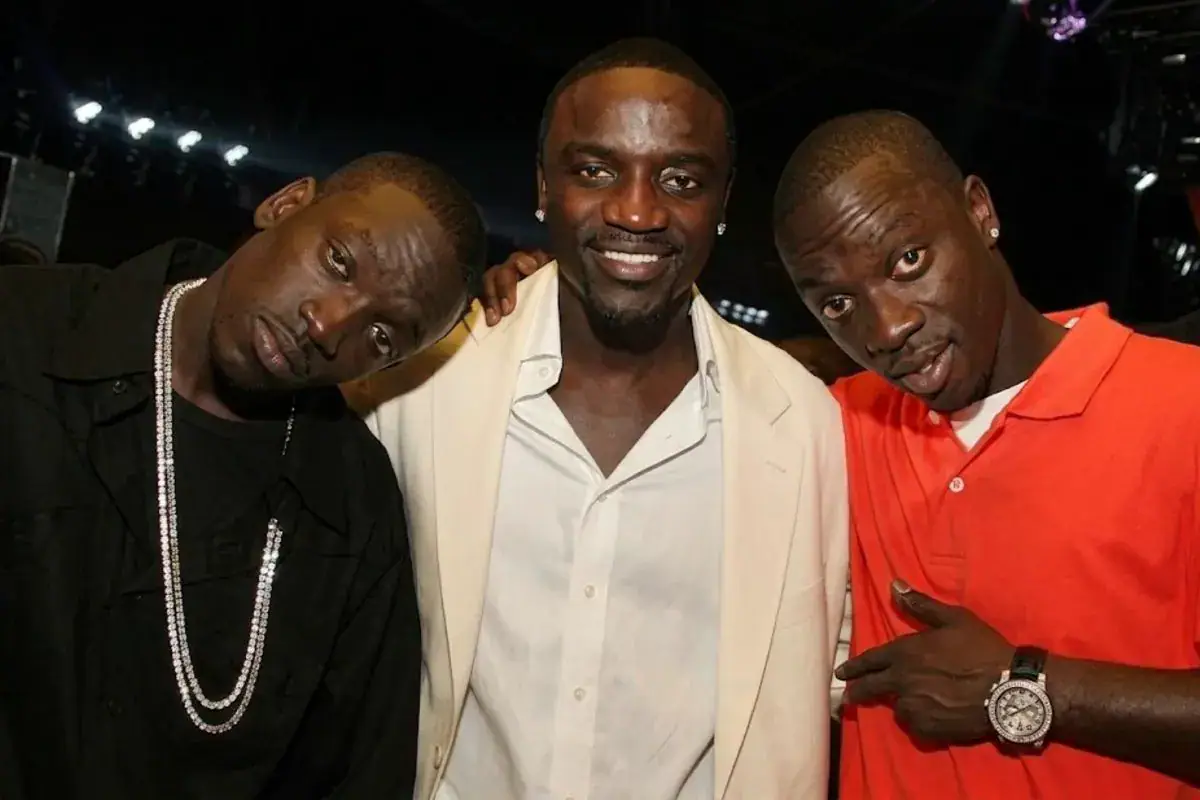
American singer Akon has also shared an unusual account of how resemblance within his own family helped generate money during his early career. In an interview on the 'Bootleg Kev' podcast in April 2025, Akon revealed that his younger brother Abou "Bu" Thiam sometimes performed at shows in his place when his schedule became too busy. He also spoke about his other brother, Omar Thiam, who allegedly took things further by arranging performances under Akon's name without informing him and keeping the earnings.
Not everyone who resembles a celebrity remains behind the scenes as an impersonator. For some, the attention becomes a stepping stone into the entertainment industry. That is the experience of Bongo Flava artiste Athuman Omary, popularly known as Harmorapa, whose resemblance to Harmonise helped introduce him to the public. He rose to prominence in 2017 after social media users began comparing his appearance with that of Harmonise, who was then enjoying success under the WCB Wasafi label.
Ultimately, the growing lookalike business reflects the commercial value of celebrity culture. While the original stars build their brands through music, sports, and entertainment, their doubles are finding ways to benefit from the attention those brands attract. For some, it begins with a resemblance that makes people stop for a photograph. For others, that same resemblance can become a source of income, a business identity, or even the beginning of an entertainment career.
Key points
- Individuals in Tanzania are turning their resemblance to famous musicians into lucrative business opportunities, including paid appearances, modelling contracts, and advertising deals.
- The concept of lookalikes is not new, with examples including Reza Parastesh, who gained international attention for his resemblance to Lionel Messi, and Michaela Weeks, who turned her resemblance to Britney Spears into a full-time career.
- The growing lookalike business reflects the commercial value of celebrity culture, where individuals can benefit from the attention attracted by famous personalities.
Reporting sources
- When looking like a star becomes a money-making business · The Citizen